The White House has declined a request from Florida’s Catholic bishops for a pause in immigration enforcement during the Christmas season. The appeal was made by Miami Archbishop Thomas Wenski and seven other members of the Florida Conference of Catholic Bishops, who expressed concerns over the impact of ongoing immigration operations on families and communities.
In a statement, Archbishop Wenski highlighted that the U.S. has already seen significant immigration enforcement this year, with over 500,000 deportations and nearly 2 million voluntary self-deportations. He emphasized that while the border has been secured, the current approach to immigration enforcement often affects individuals who are not criminals but are simply seeking work.
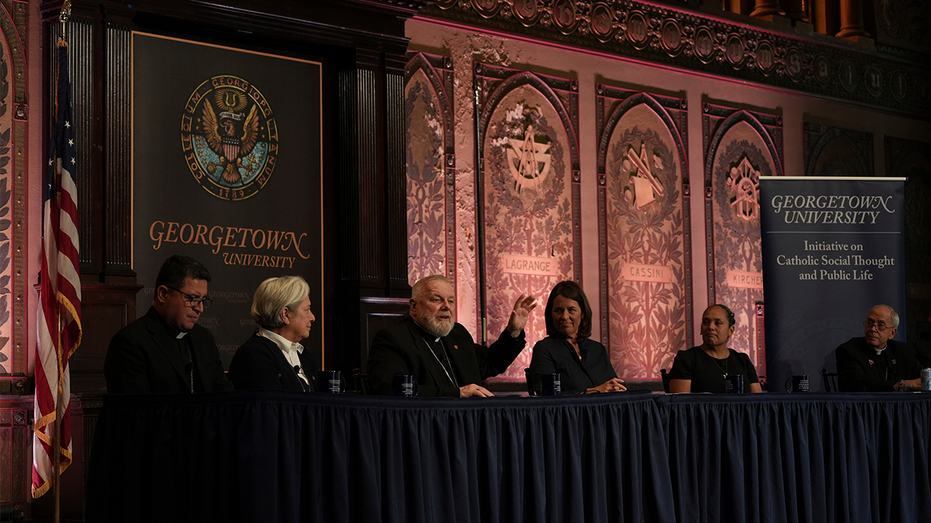
During a recent panel at Georgetown University, Wenski stated, “The maximum enforcement approach… means that many of these arrest operations inevitably sweep up numbers of people who are not criminals but just here to work.” He expressed that the majority of those detained in facilities, such as the notorious Alligator Alcatraz, have no criminal background.
Wenski also noted that recent surveys indicate a growing sentiment among Americans that immigration enforcement operations are excessive. “A climate of fear and anxiety is infecting not only the irregular migrant but also family members and neighbors who are legally in the country,” he said. He urged the government to pause apprehension and round-up activities during the holiday season, stating that it would demonstrate compassion for affected families during a time traditionally associated with goodwill.
Despite the appeal, the White House affirmed that immigration enforcement will continue without interruption. White House spokeswoman Abigail Jackson stated, “President Trump was elected based on his promise to the American people to deport criminal illegal aliens. And he’s keeping that promise.”
Archbishop Wenski has been a vocal advocate for humane treatment of immigrants, often pointing to the critical roles that undocumented workers play in sectors such as agriculture, construction, and healthcare. He argued for a rational and humane approach to immigration policy, stating, “Enforcement is always going to be part of any immigration policy, but we have to rationalize it and humanize it.”
Wenski’s activism extends beyond rhetoric; he has participated in initiatives like the Knights on Bikes, which focuses on the spiritual needs of migrants in detention centers. He has shared personal experiences, such as praying outside the walls of detention facilities and celebrating Mass within them, highlighting the dignity of detainees in challenging circumstances.
The U.S. Conference of Catholic Bishops has also taken a firm stance against aggressive immigration policies. Recently, they released a “special message” criticizing the mass deportation agenda championed by the Trump administration, expressing concerns over the fear and anxiety that immigration raids instill in communities.
Pope Leo XIV has supported these efforts, urging local bishops to address social justice issues. He has previously stated that those who endorse inhumane treatment of immigrants may not align with pro-life values. The pontiff’s advocacy for compassion in immigration matters underscores a broader call for humane treatment of all individuals, regardless of their immigration status.
As the holiday season approaches, the ongoing tension between immigration enforcement practices and humanitarian appeals continues to spark debate among religious leaders, policymakers, and the public.