Polarization in American politics has reached a point where personal relationships, including dating, are significantly impacted. Many liberal individuals are openly stating that they prefer not to date conservatives, a sentiment that reflects broader societal divides exacerbated by the Trump administration’s policies and rhetoric.
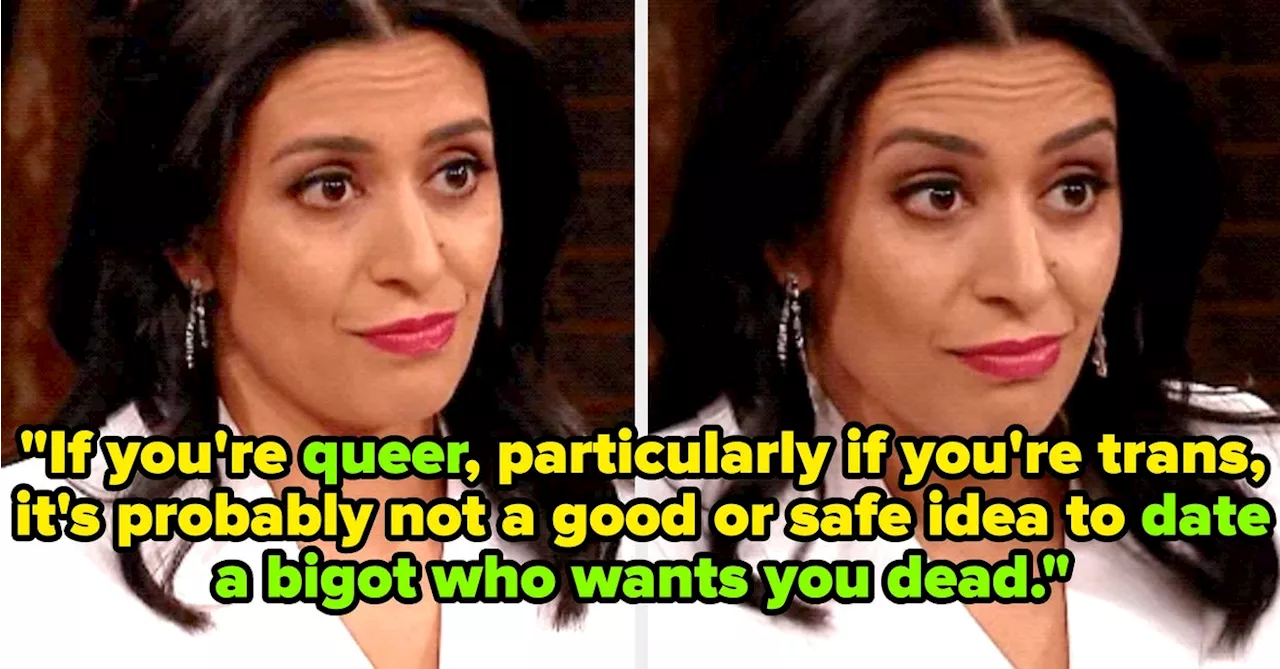
The reasons behind this trend are diverse and deeply rooted in personal safety, identity, and shared values. For members of the LGBTQ community, the stakes are particularly high. One individual expressed, “If you’re queer, particularly if you’re trans, it’s probably not a good or safe idea to date a bigot who wants you dead.” This underscores the feeling among many that dating someone with opposing political views could threaten their dignity and rights.
Concerns extend beyond personal safety. For immigrants, the implications of dating a conservative can be profound. One immigrant stated, “I’m not a huge fan of dating someone who thinks I’m a lazy scum who should ‘go back to my own country.'” Such views can create an uncomfortable atmosphere, especially when introducing a partner to friends and family who may also hold marginalized identities.
The fear of being targeted or doxxed is another major factor influencing these choices. An immigrant shared, “I can’t imagine dating someone that I can’t safely bring around my friends and family.” This sentiment resonates with many who feel their social circles include individuals from diverse backgrounds, where dating someone with conservative views could pose risks.
The cultural dynamics at play also contribute to the reluctance to date conservatives. One participant noted the fetishization often encountered when dating conservative men, stating, “A lot of conservative men also view women from other cultures as ‘exotic’ and often fetishize them.” This perspective highlights the discomfort that can arise when personal identities are reduced to stereotypes.
The political landscape has transformed, with morals now intertwined with politics. “Politics is no longer just politics — it’s about morality,” remarked one individual, emphasizing that contemporary political beliefs reflect deeper values regarding human rights and dignity. Another added, “Your political views are how you see the world. If your views are that some people are simply less human and less deserving of rights than others, that’s a dealbreaker.”
Many liberals express that their rejection of conservative partners stems from a fundamental incompatibility in values. As one person put it, “A solid relationship is based on shared values. I don’t share any of the same values with modern conservatives, so why would I want to date, marry, or procreate with them?” This desire for alignment in core beliefs is crucial for long-term relationship success.
The implications of political beliefs extend beyond individual preferences; they affect family dynamics and future aspirations. One individual shared a troubling experience: “I had two family members take their own lives within four days of each other. You’re WAY more likely to see ‘family fire’ than ever protect yourself from anyone/anything.” These stories highlight the urgent need for compatibility in critical areas such as parenting and shared household values.
Even casual dating has been impacted as individuals become increasingly direct about their political leanings. “I put in my dating bio that if you voted for Trump, we wouldn’t work out,” one liberal remarked, noting that many men have attempted to debate this point instead of respecting her boundary. This shift signifies a growing trend where political affiliations are viewed as non-negotiable in the dating landscape.
Issues surrounding reproductive rights, gun control, and health care access further complicate dating dynamics. A woman firmly stated, “I will not date someone who is anti-abortion. I’m a straight female, and no man will tell me what to do with my own body.” Such convictions illustrate the deep connections between personal rights and political beliefs.
The reluctance to date conservatives also stems from broader societal trends where differing political views can create significant tension. “If beliefs were at odds with my partner, it would cause extra tension,” one individual noted, highlighting the importance of shared values in maintaining harmony within a relationship.
In summary, the increasing polarization of American politics has led many liberal individuals to shy away from dating conservatives. This trend is rooted in concerns over personal safety, shared values, and the implications of political beliefs on relationships and family dynamics. As political ideologies increasingly shape personal interactions, many are prioritizing compatibility in their dating lives, underscoring the complex interplay between politics and personal relationships.