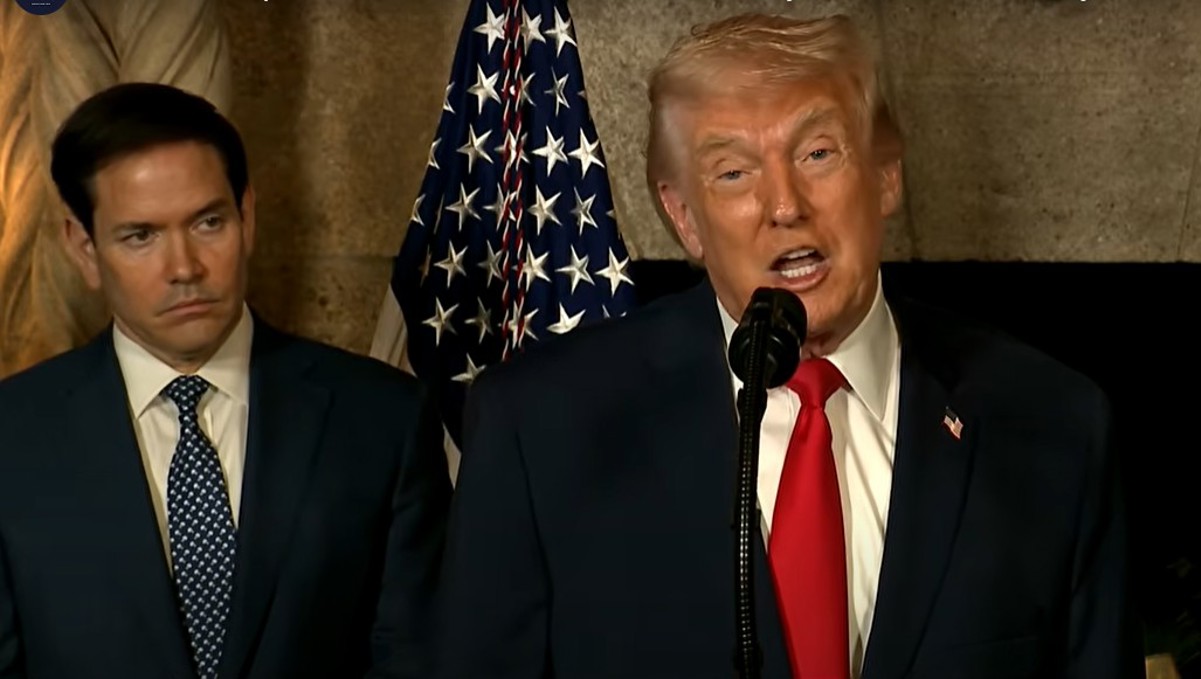
President Donald Trump has ordered the dismissal of approximately thirty career ambassadors who were appointed during the administration of former President Joe Biden. This decision, announced through calls from the U.S. Department of State, has drawn sharp criticism from both the Democratic opposition and members of the diplomatic community, who warn it could create a dangerous leadership vacuum in key international positions.
The State Department confirmed the removal of these ambassadors, part of a broader reorganization aimed at aligning U.S. foreign policy with the current administration’s priorities. The dismissals, which will take effect in January 2026, have not been accompanied by formal explanations. Reports indicate that most of the affected ambassadors are stationed in Africa and Asia, with some changes also occurring in Europe and Latin America. Notably, Tobin Bradley, the U.S. ambassador to Guatemala, is among those dismissed.
Political Fallout and Senate Warnings
In response to the firings, a coalition of Democratic senators has urged President Trump to reconsider his decision. Led by Jeanne Shaheen, the ranking member of the Senate Foreign Relations Committee, the senators have expressed concern that the dismissals will exacerbate an existing shortage of diplomatic leadership. Currently, there are already around 80 vacant ambassadorial positions across the globe. With the latest dismissals, the number of embassies without a chief could exceed 100, representing nearly half of all U.S. ambassador posts worldwide.
In a letter addressed to Trump, the senators cautioned that this situation poses a significant threat to national security, stating that leaving key posts vacant creates a “dangerous vacuum in U.S. leadership abroad.”
Concerns within the Diplomatic Community
The decision to remove career diplomats has raised alarm among members of the diplomatic corps. The American Foreign Service Association (AFSA), which represents U.S. diplomats, has voiced concerns regarding the lack of transparency and due process in the dismissals. A spokesperson indicated that such actions are not typical for career ambassadors, who are expected to serve their terms and implement White House directives regardless of political affiliation.
The dismissals come amid a broader context of personnel reductions within the State Department. Secretary of State Marco Rubio has already laid off over 1,300 employees and initiated plans to dismantle the historic United States Agency for International Development (USAID).
Trump has previously characterized the federal government as being dominated by what he refers to as the “deep state,” a term he uses to describe bureaucrats he believes hold progressive views and seek to undermine his administration’s policies. The recent reshuffling of ambassadors aligns with Trump’s “America First” agenda, reflecting a push to consolidate U.S. diplomatic representation around his administration’s priorities.
As this situation develops, the implications of these dismissals on U.S. foreign relations remain to be seen, with many in the diplomatic community advocating for stability and continuity in international representation.