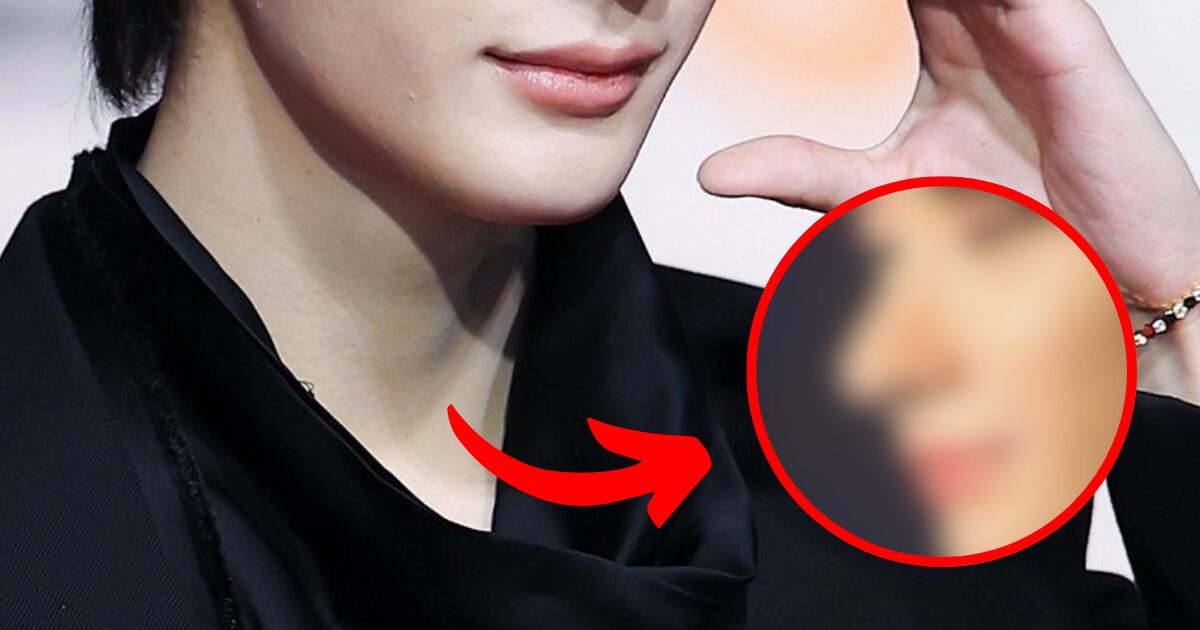
Anton, a member of the popular K-pop group RIIZE, is currently at the center of a social media storm. On December 25, 2025, a post mocking his nose went viral among Korean netizens, triggering a wave of ridicule and negative comments. The post, which quickly became one of the most viewed on the platform Pann, showcased screenshots of Anton’s side profile, drawing attention to his facial features.
The viral post included a comment that likened Anton’s nose to that of Pinocchio, igniting a barrage of reactions. Comments ranged from direct mockery to comparisons with other idols. Some users expressed their disdain, stating, “It’s similar to Sakura’s nose,” while others remarked, “Every time I see it, it looks like it’s getting bigger.” The online discourse reflects a harsh criticism, with comments questioning his honesty and even suggesting jealousy over his looks.
Despite the backlash from some Korean users, reactions from international fans tell a different story. Social media platforms, particularly X (formerly Twitter), have seen a surge of positive posts celebrating Anton’s appeal. Enthusiastic fans expressed admiration with comments like, “I want Anton so bad it’s not funny anymore,” and “Anton is getting hotter and hotter every time we see him.” This stark contrast highlights the differing perceptions of idols between Korean and international audiences.
Impact of Social Media on Idol Image
The situation surrounding Anton’s nose underscores the complex relationship between K-pop idols and their public image. For many idols, social media can be both a platform for appreciation and a breeding ground for criticism. The viral nature of the post illustrates how quickly perceptions can shift, and how one aspect of an idol’s appearance can dominate discussions.
In the world of K-pop, where visuals are highly valued, such scrutiny can be particularly intense. Fans often rally around their favorite idols, providing support in the face of negativity, as seen with the positive responses from international fans. The disparity in reactions serves as a reminder of the varied expectations placed on idols depending on their audience.
As reactions continue to unfold, the incident also raises questions about body image standards within the entertainment industry. The harsh comments directed at Anton reflect broader societal issues regarding appearance and self-image, particularly in the high-pressure environment of K-pop.
RIIZE’s Growing Popularity
Despite the controversy, RIIZE remains a prominent name in the K-pop scene. The group, known for their talent and charisma, has garnered a substantial fanbase since their debut. Recent events, such as sending protest trucks to SM Entertainment to advocate for better treatment, indicate their active engagement with fans and the industry.
As the group continues to rise in popularity, incidents like the backlash faced by Anton serve as a reminder of the challenges idols encounter. With a dedicated fanbase supporting them, RIIZE is poised to navigate the complexities of fame in a rapidly evolving entertainment landscape.
In conclusion, while Anton’s recent experience underscores the harsh realities of public scrutiny in the K-pop industry, it also highlights the unwavering support from his international fans. The contrasting responses illustrate the multifaceted nature of celebrity in the digital age, shaping how idols are perceived across different cultures.