UPDATE: The entertainment industry has officially declared 2025 as the year of the remake, with major studios like Paramount Pictures and Netflix heavily investing in revamping familiar intellectual properties. This trend raises urgent questions about creative stagnation as audiences witness an unending stream of remakes, sparking mixed reactions from fans and critics alike.
As the year progresses, studios are prioritizing established franchises over original content, a strategy that has proven financially lucrative but creatively questionable. The announcement of new remakes has become a regular occurrence, leaving many to wonder: where is the innovation? With buzz building around several high-profile projects, this trend shows no signs of slowing down.
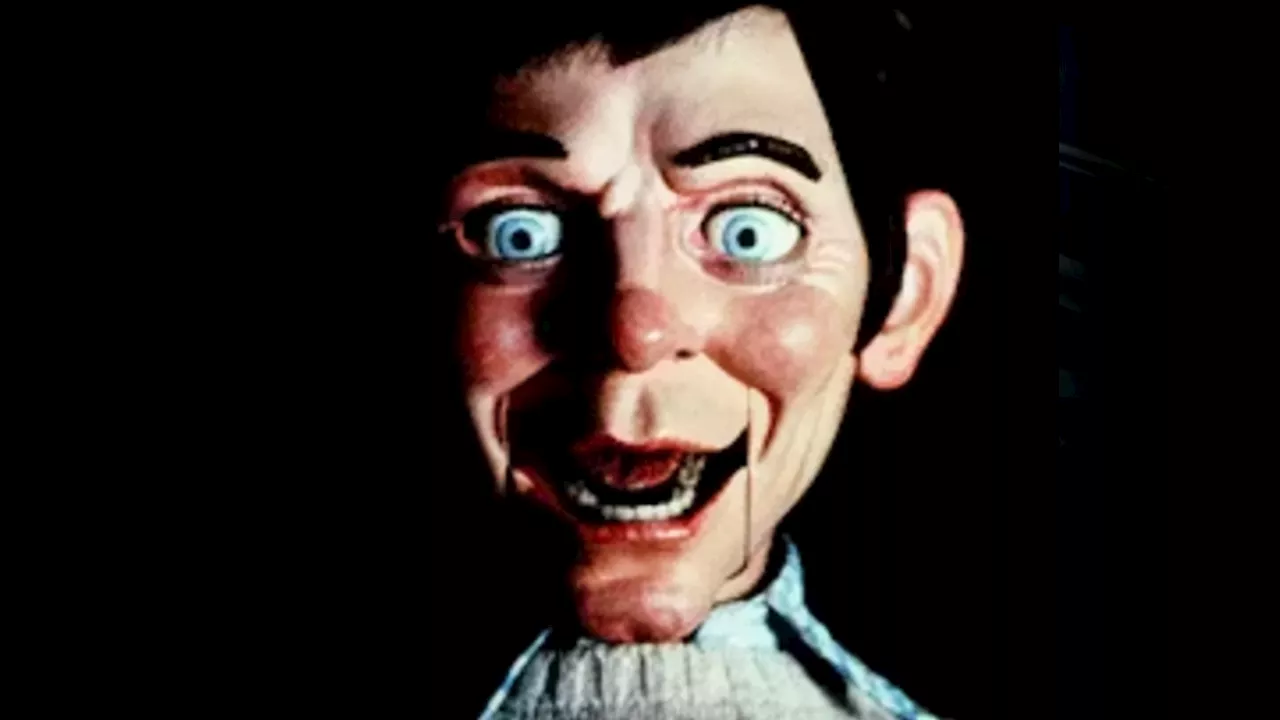
Among the most talked-about remakes is Sam Raimi’s adaptation of a classic horror film featuring Anthony Hopkins. The story centers on a mentally unstable ventriloquist who returns to his hometown, only to face chaos when his puppet disapproves of his romantic interests. Raimi’s reputation for blending campy thrills with genuine scares has fans eagerly anticipating this project.
Meanwhile, Netflix is facing backlash for its decision to produce a live-action remake of an animated favorite, stirring concern among longtime fans of the original. Although Netflix has had some success with live-action adaptations, many past attempts have resulted in critical failures, raising alarm bells about potential missteps in this new venture.
Michael B. Jordan and Austin Butler are reportedly in talks to star in another ambitious remake directed by Joseph Kosinski. With their star power and Kosinski’s track record of directing visually stunning films, this project is generating excitement. However, skepticism remains due to the mixed reception of previous adaptations in this genre.
Critically, the industry’s fixation on remakes is a worrying signal. Producers Neal H. Moritz and Toby Asher are steering major decisions at Paramount, reinforcing the notion that studios are reluctant to invest in fresh ideas. With financial success tied to nostalgic properties, the question lingers: will audiences grow tired of recycled content?
As the year unfolds, fans are left to navigate a landscape dominated by revisited stories and characters. While some remakes are met with excitement, others are viewed as ill-conceived attempts to cash in on nostalgia. The conversation around this trend is heating up, making it a critical moment for the entertainment industry.
Looking ahead, industry watchers will be keen to see how these projects fare both critically and at the box office. The tension between nostalgia and innovation is palpable, and as studios continue to churn out remakes, the impact on audience engagement will be closely monitored. Stay tuned for updates on these highly anticipated releases and the ongoing debate over the future of original storytelling in Hollywood.