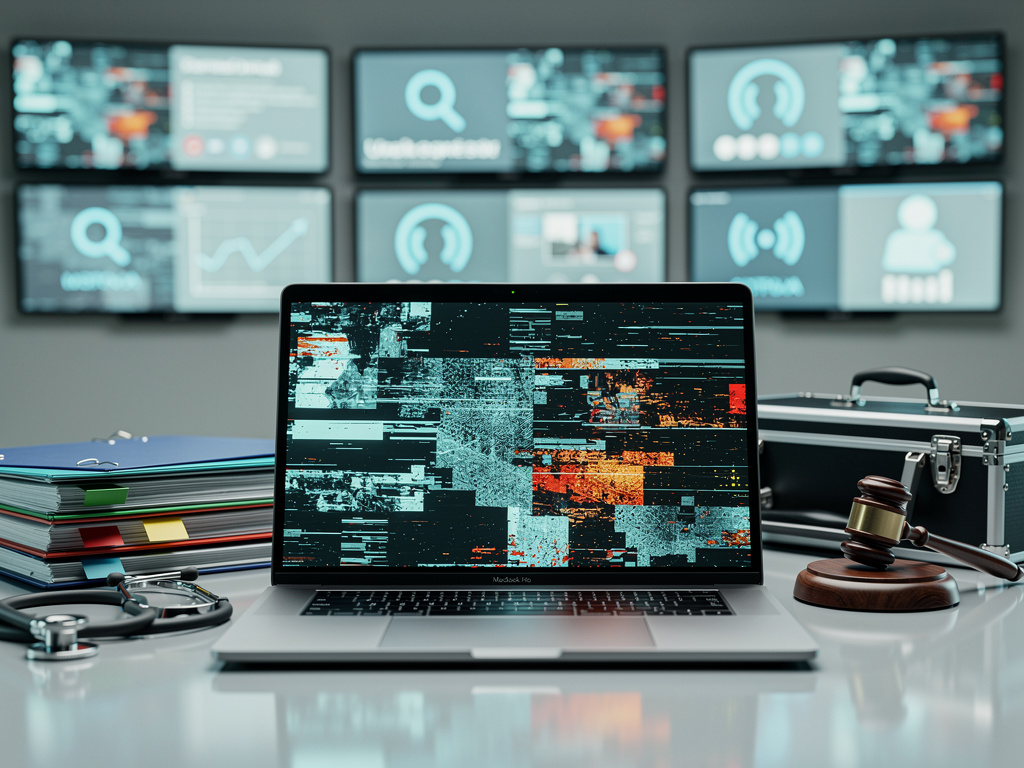
Recent research from Cornell University highlights alarming consequences linked to video call disruptions. Published in the journal Nature, the study reveals that brief glitches during virtual meetings may significantly affect perceptions of trustworthiness and competence. This phenomenon, described as “uncanniness,” is not merely a psychological curiosity; it has profound implications for critical decisions in hiring, healthcare, and the justice system.
The study involved experiments with both live and recorded video interactions. Findings indicated that participants who experienced technical glitches rated others as less trustworthy and likable. In one simulated job interview scenario, candidates with disrupted connections were 20% less likely to receive positive hiring recommendations, despite identical responses. Furthermore, archival data showed that inmates in parole hearings who faced video call interruptions had a 15% lower chance of being granted release.
With the rise of platforms such as Zoom and Microsoft Teams for telemedicine and remote court appearances, these findings reveal a hidden bias in digital communication. Malia Mason, a professor at Columbia Business School, notes, “We’ve long known that nonverbal cues matter in face-to-face meetings, but video introduces artificial distortions that our brains interpret as deception.” Her team’s analysis emphasizes how glitches disrupt the illusion of presence, eroding rapport and trust.
The Psychological Impact of Glitches
The Cornell study delves into the psychological and neurological aspects of these glitches. Our brains are hardwired to detect inconsistencies in human behavior, inherited from evolutionary mechanisms that assess threats. When video feeds stutter, they mimic unnatural movements, triggering the same neural pathways activated by encountering a lifelike yet flawed android. Participants often reported feelings of mistrust without directly connecting it to the technology involved.
Further research indicated that these glitches extend beyond job interviews into telehealth settings. Doctors interacting with patients who experienced disruptions were 18% more likely to dismiss their concerns, potentially leading to misdiagnoses. Similar findings were reported in an analysis of over 500 virtual medical consultations.
Real-world anecdotes amplify the research’s implications. Tech professionals in Silicon Valley have reported that poor connections during interviews can overshadow qualifications. One engineer shared on social media that a frozen screen during a final interview led to an immediate rejection, despite strong credentials. This sentiment resonates with many, highlighting how “uncanniness” from glitches can derail professional opportunities.
Broader Implications in Justice and Healthcare
The consequences of video call glitches extend into crucial areas such as the criminal justice system. Archived footage from virtual parole hearings revealed that technical issues often correlated with harsher judgments. Inmates appearing via glitchy video were perceived as evasive, influencing board decisions unfavorably. Coverage by Mashable notes that these biases exacerbate existing inequalities, particularly among individuals in rural or low-income areas with unreliable internet access.
In healthcare, the stakes are equally high. The surge in telemedicine during the pandemic has made the integrity of virtual consultations vital. Minor disruptions can lead to hesitation in communication, causing physicians to question patients’ honesty regarding symptoms. The Cornell Chronicle reported instances where disruptions in therapy sessions resulted in premature terminations, negatively impacting mental health outcomes.
This issue is not isolated to individual experiences; it reflects systemic biases in digital communication. The PubMed abstract of the study emphasizes that marginalized groups, often facing connectivity challenges, are disproportionately affected. Users with low-bandwidth access, particularly in developing regions, may be unfairly penalized in global job markets and collaborations.
Technological Solutions and Industry Response
The root of these challenges lies in the technical design of video platforms. Compression algorithms prioritize efficiency, leading to artifacts like pixelation and desynchronization. A discussion on Slashdot highlighted user experiences, noting that even premium services have limitations under variable network conditions. In response to these issues, companies are actively seeking solutions.
Zoom is investing in AI-driven error correction to predict and smooth out glitches in real time. Meanwhile, Microsoft Teams has introduced features such as “glitch detection alerts” to notify users of potential issues before calls. Despite these advancements, experts caution that these measures may not fully counteract the subconscious biases created by glitches. Research calls for redesigned interfaces to minimize visual disruptions in virtual interactions.
As remote work becomes more entrenched in corporate culture, the glitch problem intersects with broader equity discussions. Women and minorities, already subject to biases in evaluations, may be disproportionately affected by perceived uncanniness during video calls. A report by Gizmodo underscores how this digital divide amplifies existing disparities, with data indicating higher glitch rates in economically disadvantaged areas.
Looking ahead, policymakers are considering regulations to address these issues. In the European Union, proposals under the Digital Services Act aim to enforce glitch-minimizing standards for platforms used in official proceedings. Inspired by the Cornell findings, U.S. lawmakers are discussing similar measures for federal telehealth reimbursements, ensuring connectivity does not dictate the quality of care.
As innovation accelerates to combat these challenges, startups like Polyhedra are exploring blockchain-verified video streams to ensure authenticity. Meanwhile, established companies are experimenting with new technologies to enhance user experiences. For instance, Apple’s Vision Pro headset promises immersive calls with reduced latency, potentially addressing uncanniness through improved spatial audio and visuals.
While these advancements present opportunities, experts warn that addressing underlying network inequalities is essential to avoid widening existing gaps. As we approach 2030, it is anticipated that hybrid AI-human interfaces could normalize glitch-free communication, but only if ethical guidelines evolve to support this transition.
Addressing the Digital Divide
To mitigate immediate impacts, organizations are adopting best practices. Human resources departments are now recommending backup audio-only options for interviews, which can help reduce the effects of visual glitches. Legal advocates are pushing for in-person alternatives in high-stakes hearings, referencing the Cornell study’s findings on parole data.
Public awareness campaigns are also crucial. Initiatives on platforms like X (formerly Twitter) are educating users on optimizing their setups, such as using wired connections or glitch-monitoring applications. As one user poignantly noted, the blurring of reality and illusion in mediated interactions calls for a societal reckoning.
Ultimately, this research unveils a critical flaw in our rush to virtualize life: the imperfections of technology mirror our vulnerabilities. By confronting the challenges posed by “uncanniness,” we can work towards fostering more equitable digital environments, ensuring that a poor connection does not derail opportunities and outcomes for individuals.