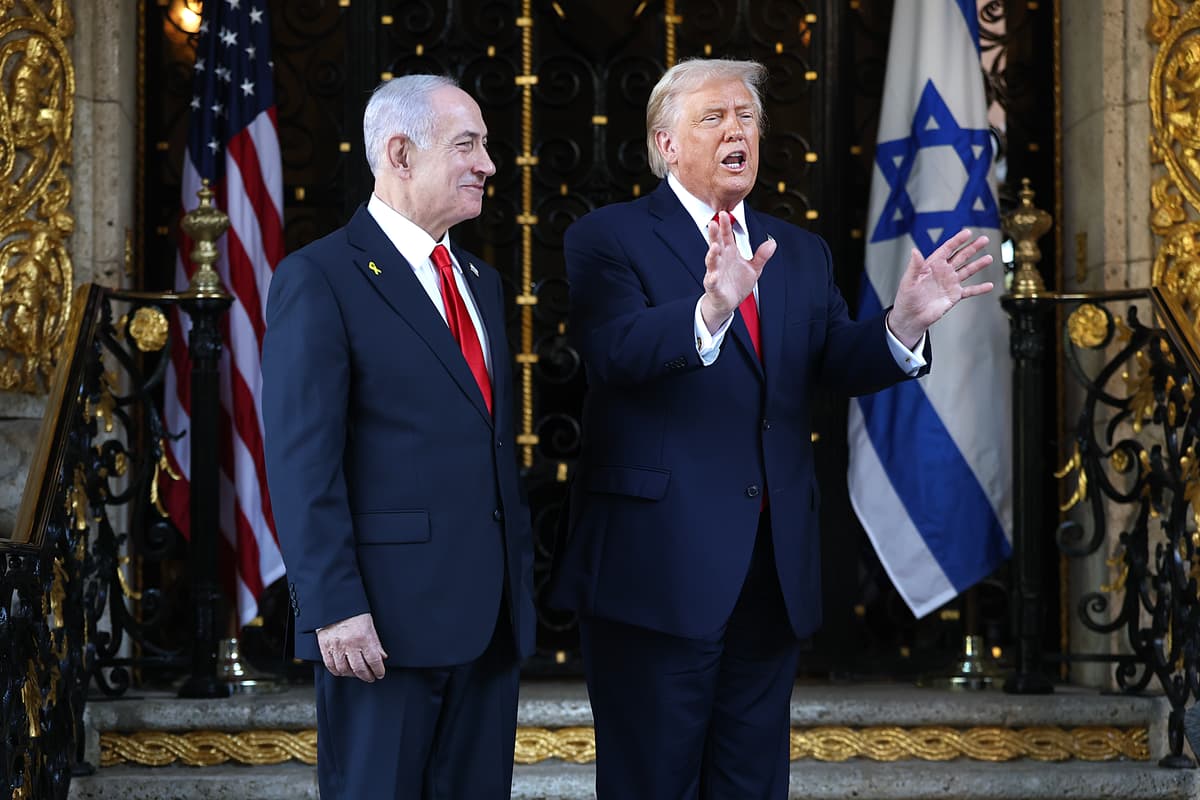
During a brief pre-meeting before their scheduled lunch, Israeli Prime Minister Benjamin Netanyahu and former U.S. President Donald Trump reportedly managed to resolve what Trump described as “three difficulties” between the two leaders. This informal exchange occurred on November 2023, setting a positive tone for their discussions, which have been scrutinized in recent months.
Context of the Meeting
The backdrop of this meeting lies in the complex and often contentious relationship between the United States and Israel, particularly concerning policy decisions in the Middle East. Recent tensions surrounding issues such as settlement expansion and military aid have led to speculation about a growing rift between Netanyahu and Trump.
Trump, speaking to reporters after the meeting, emphasized the importance of their discussions. “We had a good talk, and we resolved three key issues that were on the table,” he stated, although he did not elaborate on the specifics of these challenges. This brief interaction was meant to allay concerns about their partnership.
Implications for U.S.-Israel Relations
The relationship between the two leaders has been a focal point for analysts observing U.S.-Israel relations. Both leaders face challenges within their own political landscapes, which may influence their international strategies. For Netanyahu, navigating his coalition government’s demands is critical, while Trump’s ongoing political ambitions in the United States play a significant role in his diplomatic engagements.
These discussions are not just about personal rapport; they reflect broader geopolitical strategies. The resolution of these “difficulties” could signal a renewed commitment to cooperating on significant issues such as security and economic collaboration.
Observers note that maintaining a strong U.S.-Israel alliance remains crucial for both nations. The potential for further discussions on military aid and shared defense initiatives could arise from this renewed dialogue.
As both leaders move forward, the outcomes of their meeting may shape the future of their countries’ bilateral relations. With challenges looming in the region, the importance of strong leadership and clear communication is more vital than ever.