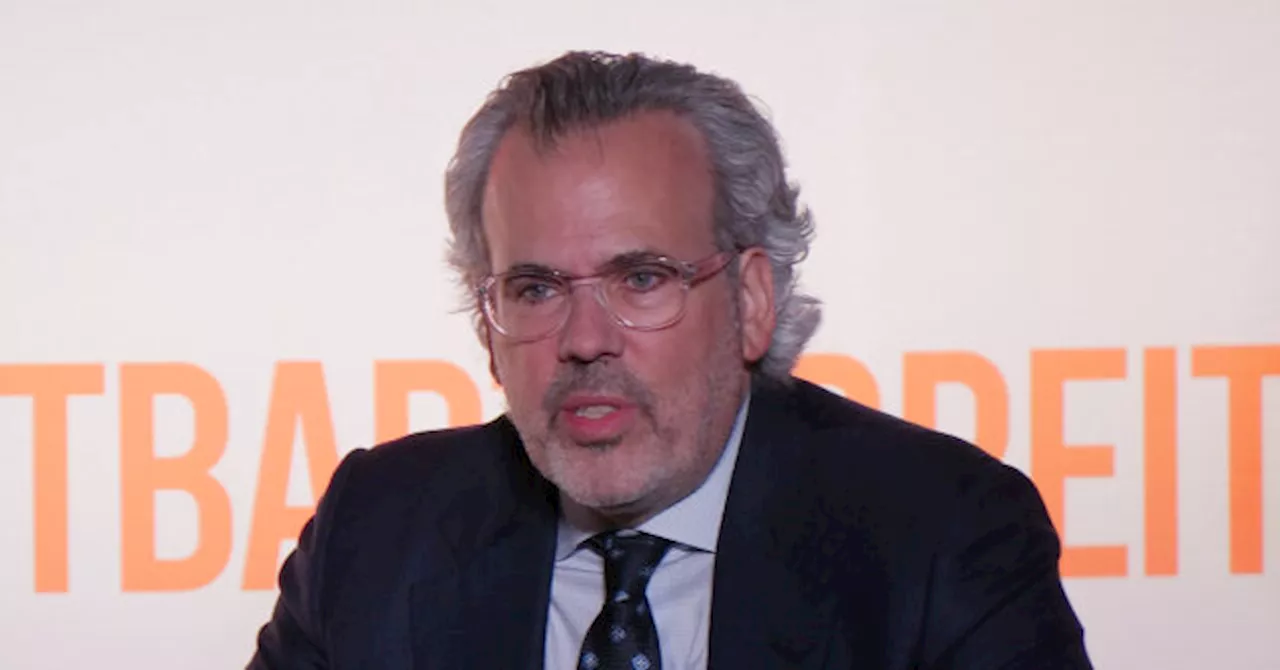
UPDATE: Eli Sharabi, who endured an agonizing 491 days in Hamas captivity, celebrated Christmas in Wales last week, marking a profound moment of joy and relief for his family. In a poignant reunion, Sharabi joined his brother-in-law, Steve Brisley, at a festive table that once bore an empty seat marked in his honor.
Sharabi’s return to the Christmas table represents not just a personal triumph but a symbol of resilience. Last Christmas, Brisley set a place for Sharabi, whose life was forever changed after the October 7 attacks that claimed the lives of his wife and daughters. This year, he filled that seat, surrounded by family and friends, signifying hope and recovery.
During a packed session at Limmud on Tuesday, lawyers Adam Rose and Adam Wagner shared a powerful image of Sharabi seated at the table, contrasting it with last year’s empty place. “Last year, we showed the empty table,” Rose recounted. “This year, we celebrate Eli’s return.” The emotional moment resonated deeply with attendees, highlighting the ongoing struggles faced by hostages and their families.
Brisley, a vocal advocate for Sharabi’s release, expressed his dissatisfaction with the British government’s support for hostages. In a speech shortly after the Limmud session, he criticized officials for their lack of action, saying, “The British government has done little to support British hostages in Gaza.” His statements coincided with the announcement from David Cameron, the then Foreign Secretary, promising increased support for families of hostages, including the establishment of a dedicated support group within the Foreign Office.
Rose emphasized the importance of public pressure in securing governmental action, recalling advice from Richard Ratcliffe, who campaigned for his wife’s release from Iranian imprisonment. “The British government will only do something if you publicly embarrass them,” he quoted Ratcliffe, underscoring the necessity for advocacy in these dire situations.
Despite the progress, challenges remain. Rose and Wagner revealed that the British government has declined citizenship for the elderly parents of British-Israeli hostage Sharone Lifschitz, unlike other nations. Instead, they’ve established a compromise, treating non-British hostages with British links as if they were citizens. Wagner noted, “Once that system was in place, it was good,” highlighting the successful trips organized for families to visit Qatar.
Lifschitz, whose parents were taken captive on October 7, expressed gratitude for the support system established by Rose and Wagner. “You were always a few steps in front of us,” she remarked, praising their legal expertise and commitment. “Our rights as human beings matter, not just as Israelis.”
As the holiday season unfolds, the stories of resilience and advocacy continue to shine a light on the plight of hostages and their families. The urgency for governmental accountability and support remains paramount as the world watches closely.
Authorities call for increased awareness and involvement from the public to ensure that similar situations do not recur. The emotional weight of these stories serves as a reminder of the human impact behind the headlines, pushing for action and change.
For further updates on this developing story and more community news, sign up for our free community newsletter.