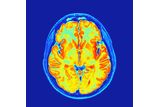
Recent findings from researchers at Washington University School of Medicine challenge the long-held belief that stimulant medications for attention deficit hyperactivity disorder (ADHD) primarily enhance attention networks in the brain. Instead, a study published in the journal Cell suggests these medications may actually target the brain’s reward and wakefulness centers, thereby improving motivation and arousal levels in children diagnosed with the disorder.
According to the Centers for Disease Control and Prevention (CDC), approximately 11.4 percent of children have been diagnosed with ADHD, many of whom are prescribed medications like Ritalin and Adderall to manage symptoms such as inattentiveness and impulsivity. The new research indicates that rather than strengthening attention pathways, these stimulants might facilitate engagement in tasks that children typically find uninteresting.
Examining Brain Responses to Stimulants
The study involved analyzing MRI scans from 5,795 children aged 8 to 11 as part of the Adolescent Brain Cognitive Development (ABCD) Study. Among these, 337 children had taken stimulants on the day of the scan, while 76 had a prescription but did not take their medication. The remaining children had neither been prescribed nor taken stimulants.
Researchers observed minimal differences in brain regions associated with attention, such as the dorsal attention network and prefrontal cortex, between those who took stimulants and those who did not. However, they noted significant activity in areas linked to reward and arousal, leading them to conclude that the medications may increase motivation and drive rather than directly enhancing focus.
Benjamin Kay, an assistant professor of neurology at the university, expressed surprise at these findings. “I prescribe a lot of stimulants as a child neurologist and I’ve always been taught that they facilitate attention systems to give people more voluntary control over what they pay attention to,” he stated. “But we’ve shown that’s not the case. The improvement we observe in attention is a secondary effect of a child being more alert and finding a task more rewarding.”
Potential Impacts of Sleep Deprivation
A follow-up component of the study confirmed these conclusions in a small group of adults without ADHD who had never taken stimulants. Similar patterns emerged, with areas of the brain associated with reward and wakefulness responding strongly to the medication.
The ABCD Study also provided valuable insights into the relationship between ADHD medications and sleep patterns. Analysis revealed that children diagnosed with ADHD who received less than the recommended 9 hours of sleep benefited from stimulants. These sleep-deprived children performed better in school when on medication, regardless of whether they had an ADHD diagnosis. Conversely, stimulants did not appear to affect neurotypical children who received adequate sleep.
Researchers caution that while ADHD medications may improve performance in sleep-deprived children, they are not a substitute for adequate sleep. “Not getting enough sleep is always bad for you, and it’s especially bad for kids,” Kay emphasized. He further encourages clinicians to consider sleep patterns when diagnosing ADHD, as sleep deprivation can masquerade as symptoms of the disorder.
The implications of this research are significant, highlighting the need for a comprehensive approach to ADHD treatment that considers both medication and lifestyle factors, especially sleep.
This article serves as a summary of recent findings and does not constitute medical advice. Readers should consult healthcare professionals regarding ADHD treatment options.