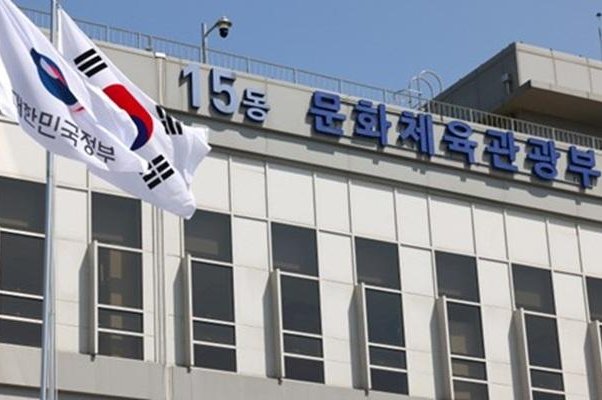
UPDATE: A new government survey reveals a significant surge in online interests among South Koreans, with artificial intelligence, K-culture, and the concept of “authentic self” leading the way. Released just this morning by the Ministry of Culture, Sports and Tourism, the findings from the “2026 Sociocultural Trends” survey indicate that mentions of artificial intelligence skyrocketed by 44% compared to last year.
The survey highlights a growing public fascination with AI, alongside rising concerns regarding its implications for jobs, safety, and fairness. Related keywords such as security, policy, and regulation reflect these dual interests, suggesting that while citizens are intrigued by the technology’s convenience, they are also wary of its impact on society.
Meanwhile, interest in K-culture has surged by 31%, fueled by global phenomena like the animated series K-Pop Demon Hunters. The ministry noted that discussions frequently mentioned terms including hanbok, K-pop, Korean cuisine, and idols, showcasing the international appeal of South Korea’s cultural exports.
Additionally, the term “authentic self,” which relates to individuals crafting their own life paths, has seen a 10% increase in online discourse. Key terms associated with this trend include identity, choice, and self-determination, reflecting a societal shift towards personal empowerment.
The survey is based on an extensive analysis of 538 million pieces of online data collected from January through November 2026, encompassing news articles, social media, online communities, and video platforms. This massive dataset indicates a vibrant and evolving digital landscape in South Korea.
Lee Jeong-eun, the director of digital communication at the ministry, emphasized the importance of these insights, stating that the government intends to leverage this analysis to better meet public demand and enhance effective communication strategies.
As South Korea continues to navigate these trends, the implications for industries ranging from technology to entertainment are profound. Observers are keenly watching how these interests will shape cultural production and policy decisions moving forward.
Stay tuned for more updates as this story develops and as we monitor the ongoing impact of these trends on South Korean society and beyond.