New York’s 12th Congressional District, a Democratic stronghold for over a century, is poised for significant change as it prepares for a pivotal primary election. Following the retirement of long-serving Congressman Jerry Nadler, the race to succeed him is heating up, with various candidates vying to reshape the party’s future ahead of the 2024 elections.
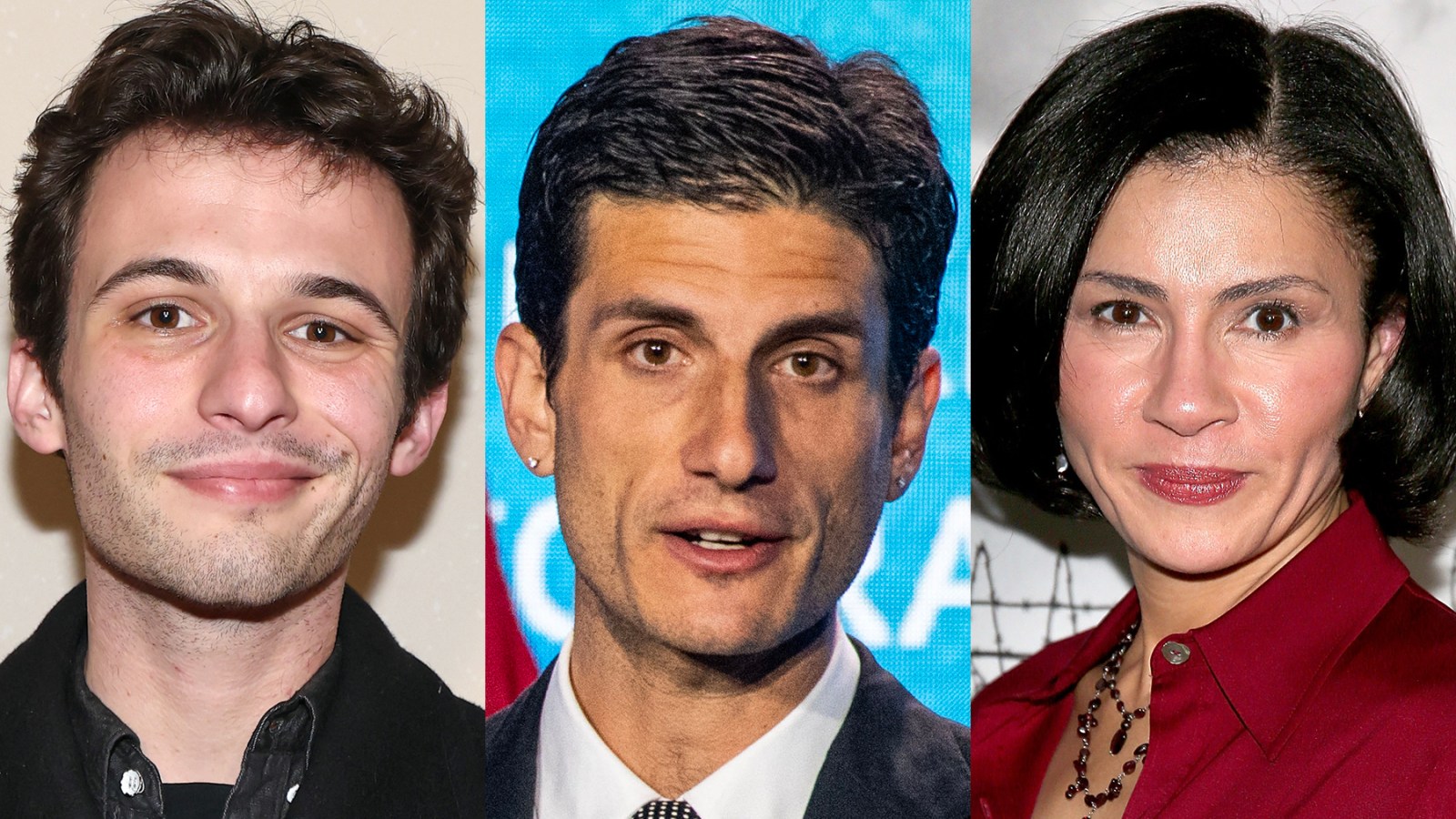
Nadler, who represented the district for nearly three decades, announced his decision not to seek reelection in September, acknowledging the need for generational change within the party. His retirement comes shortly after Liam Elkind, a 26-year-old Rhodes scholar and co-founder of the nonprofit Invisible Hands, declared his intention to run. Elkind’s campaign positions him as a voice for a younger, more progressive Democratic base. In a campaign video, he criticized the current leadership, stating, “The Democratic Party is DYING. We’re losing votes, losing elections, losing our democracy.”
As the June primary approaches, a diverse field of candidates is emerging, each representing a different vision for the Democratic Party’s future. The outcome of this race could offer vital insights into voters’ appetite for change after the party’s disappointing performance in the 2024 elections. Questions abound regarding the influence of major donors, the relevance of established political names, and the overall direction of the party.
Jami Floyd, a former WNYC host and Clinton White House staffer, expressed frustration in her campaign launch, stating that Democrats have “lost the plot.” Similarly, Laura Dunn, a lawyer and victims’ rights advocate, criticized the party for its leadership, advocating for a new direction that prioritizes the needs of everyday Americans.
Among the notable candidates is Micah Lasher, aged 44, who currently serves in the New York State Assembly and previously worked for Nadler. Lasher is seen as a frontrunner, having garnered significant endorsements from local officials. His campaign will likely benefit from his established political connections and experience.
Another contender, Alex Bores, a 35-year-old assembly member and former software engineer, has gained attention for his work on the Responsible AI Safety and Education (RAISE) Act, which aims to regulate the rapidly growing artificial intelligence sector. Bores’s candidacy presents an opportunity for voters to voice their concerns about the influence of technology in politics, particularly in light of a pro-AI political action committee planning to spend extensively against him.
The field also features a blend of new faces and established activists, including Cameron Kasky, a survivor of the Parkland school shooting and co-founder of March for Our Lives. Kasky has focused on issues such as gun violence and healthcare, advocating for comprehensive reforms like Medicare for All. He recently emphasized the interconnectedness of violence, stating, “The fight of my life is the fight against American manufactured violence everywhere.”
Another candidate, Mathew Shurka, has a personal history that fuels his advocacy against conversion therapy. He aims to bring attention to LGBTQ+ rights and the need for better protections against harmful practices.
Meanwhile, the race has also drawn unexpected candidates like Jack Schlossberg, grandson of President John F. Kennedy, and George Conway, a former Republican and vocal critic of former President Donald Trump. Conway’s candidacy raises questions about whether his anti-Trump stance will resonate with the historically liberal electorate in the district.
As the April 2 filing deadline approaches, the political landscape remains dynamic. Candidates continue to emerge, each bringing their unique perspectives on the challenges facing the Democratic Party. Voters will soon have the opportunity to express their desires for change within the party, marking a significant moment in the ongoing evolution of Democratic politics in New York City.
In a race characterized by its diversity of thought and experience, one thing is certain: the outcome will not only determine Nadler’s successor but could also signal the Democratic Party’s trajectory leading into the next election cycle.