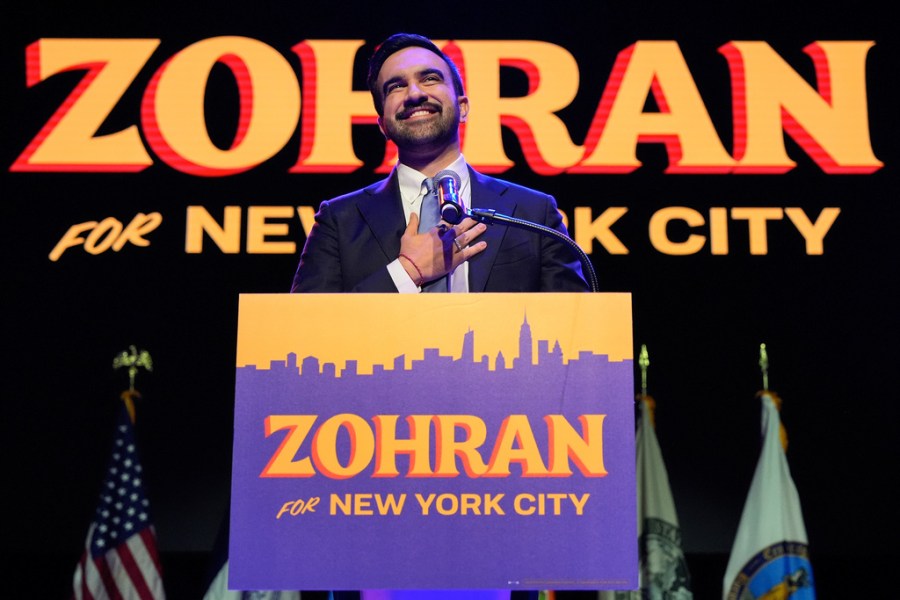
New York City’s political landscape faces significant challenges as concerns grow over the influence of the so-called Mamdani agenda. This term refers to a set of policies proposed by local political figures that some critics view as veering towards socialism. In light of this, the state capital, Albany, is being urged to leverage its legal powers to protect both the city and the state from these developments.
The urgency for Albany’s intervention stems from a rising perception that certain policies could undermine traditional governance and economic structures. Proponents of this protective approach argue that Albany must act decisively to prevent the implementation of these policies, which they believe could lead to detrimental outcomes for residents and businesses alike.
Legal Authority and Responsibilities
Albany’s legal and constitutional authority grants it the ability to intervene when local policies threaten the broader interests of the state. This authority is enshrined in various statutes that empower state officials to ensure that local governance adheres to overarching state laws. Advocates for intervention emphasize that it is essential for Albany to uphold these responsibilities, particularly in a time when divisive ideologies are gaining traction.
The implications of the Mamdani agenda extend beyond political rhetoric; they pose tangible risks to the economic stability and social fabric of New York City. According to recent surveys, a significant portion of the populace expresses concern about shifts in policy that could affect taxation, public services, and business regulations. These sentiments highlight the need for a coordinated response from state leadership.
Public Response and Political Landscape
As discussions surrounding the Mamdani agenda intensify, public opinion remains split. Some residents support progressive changes, believing they are necessary for addressing issues like income inequality and housing affordability. Conversely, others fear that such changes may lead to increased government control and reduced individual freedoms.
Political leaders in Albany are now faced with the challenge of navigating these complex sentiments. The state government must balance the demands for reform with the need to maintain economic stability and protect the rights of all citizens. Engaging with constituents and fostering dialogue will be crucial in forging a path forward.
Albany’s actions in the coming months will likely shape the political landscape of New York for years to come. The state government has the opportunity to set a precedent regarding how local governance can be guided by broader state interests, especially in times of ideological divergence.
In summary, Albany’s role in addressing the potential impacts of the Mamdani agenda on New York City is critical. By exercising its constitutional authority and engaging with the community, the state can play a pivotal role in steering the city’s governance toward a more balanced and equitable future.