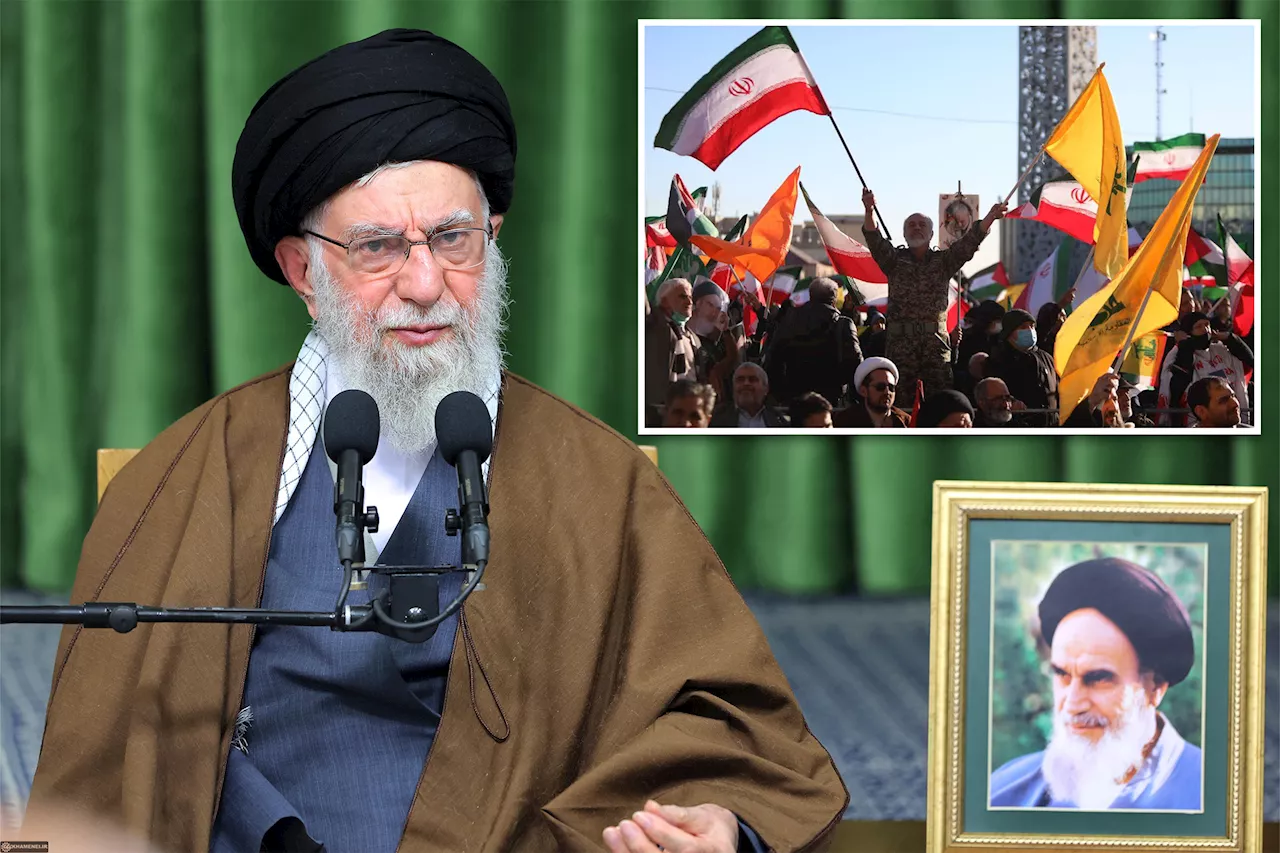
Protests erupted across Iran on Wednesday, leading to a government-ordered shutdown that affected 21 of the country’s 31 provinces, including Tehran. The unrest is rooted in a growing political and economic crisis, with demonstrators expressing their discontent through chants such as “Death to Khamenei!” and “Death to the dictator.” Video footage shared by the People’s Mojahedin Organization of Iran captured intense clashes between protesters and security forces in cities such as Shiraz, Isfahan, Kermanshah, and Tehran.
The protests gained momentum as public frustration mounted due to rampant inflation, currency instability, and declining living standards. In the city of Fasa, demonstrators were seen hurling objects at the gates of a government complex, while military helicopters flew overhead, seemingly to intimidate residents and contain the unrest. In Kermanshah, bazaar merchants confronted security forces, chanting “Dishonorable, dishonorable,” further illustrating the widespread dissatisfaction.
In response to the escalating crisis, President Masoud Pezeshkian appointed Abdolnaser Hemmati as the new head of Iran’s central bank. This appointment comes following the resignation of Mohammad Reza Farzin. Pezeshkian acknowledged the difficulties that lay ahead for the new central bank chief, emphasizing that he would face significant pressure during a time of economic turmoil, according to state media reports.
The protests, strikes, and clashes with security personnel mark the fourth consecutive day of unrest. As anger spreads, the public’s focus appears to be on the bazaar-led protests in Tehran, where crowds have been vocal in their demands for change. The situation has drawn international attention as it reflects broader issues of governance and economic stability within the country.
In conjunction with the political turbulence, Supreme Leader Ayatollah Ali Khamenei announced the appointment of IRGC Brig. Gen. Ahmad Vahidi as deputy commander in chief of the Revolutionary Guards. This move indicates the government’s attempt to bolster security forces amid increasing public dissent.
As the situation develops, it remains crucial to monitor the public’s response and the government’s strategies to address these pressing issues. The contrast between the government’s actions and the public’s demands reflects a growing divide that could have lasting implications for Iran’s political landscape.