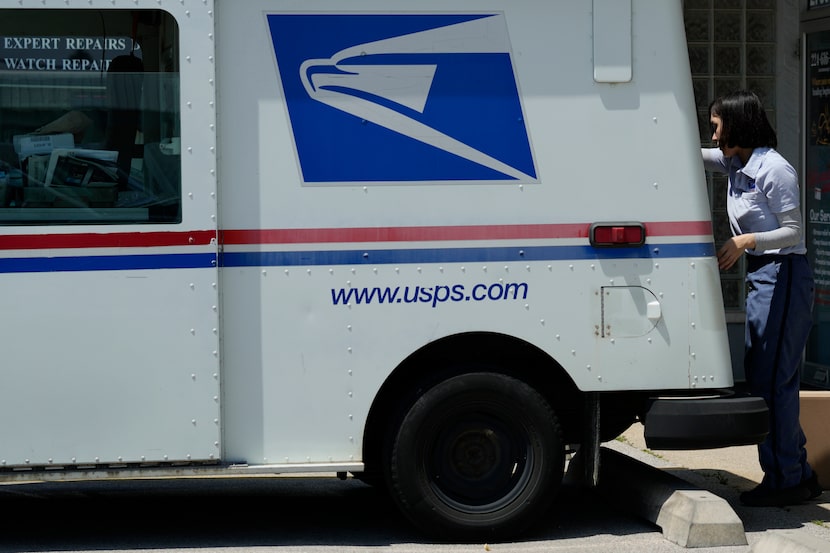
URGENT UPDATE: The U.S. Postal Service (USPS) has announced a controversial change to its mail timestamping policy, set to take effect on April 15, 2026. This shift means that letters will no longer be time-stamped at the local post office but instead at a processing center, potentially delaying mail and causing significant issues for American citizens reliant on timely communication.
As the USPS struggles to keep pace with rapid delivery services like Amazon and DoorDash, this new policy raises alarms among users. Critics are voicing concerns that delays could disrupt critical timelines for tax returns, voting ballots, and rent payments. Marian Levinstein from Lantana warns that this change could lead to penalties for late filings and missed deadlines, amplifying the confusion already facing citizens.
“This change is not progress. It is turning the clock backward, and the consequences are huge,” Levinstein stated in a letter to the editor, highlighting the potential repercussions for everyday Americans. With the USPS unable to guarantee timely delivery, the reliability of mail services is now in question.
The announcement comes at a time when Americans are already grappling with many challenges, including economic pressures and political tensions. Jess Wade from Fairview echoed this sentiment, drawing parallels between the current climate and the cautionary advice given by General George Marshall at the end of World War II regarding leadership and civic responsibility. Wade urged citizens to be vigilant about their rights, especially in light of the changes to mail service reliability.
Meanwhile, others, like Elizabeth Knoop from Frisco, are calling for an informed electorate. Knoop insists that understanding the economic implications of such changes is crucial, especially as the U.S. Bureau of Labor Statistics reports ongoing inflation issues affecting consumers nationwide.
The disappointment isn’t limited to the USPS. In response to an editorial piece, Kurt Wolfenbarger from East Dallas criticized the lack of assistance for essential needs like food and healthcare costs, suggesting that tariffs on furniture and kitchen cabinets are not the priority for most citizens.
Public sentiment is not only focused on logistics. Many are also reflecting on the broader implications of political leadership and civic engagement. Letters to the editor are pouring in, with individuals like Lulu Lyle from North Richland Hills expressing gratitude for thoughtful reflections on democracy and the importance of standing up against intolerance.
This situation remains fluid, and citizens are urged to stay informed on how these changes will affect their daily lives. The potential for widespread disruption underscores the need for reliable postal services in a fast-paced world.
What’s next? The USPS is expected to provide further details on how these changes will be implemented and what measures will be taken to mitigate delays. In the meantime, residents are encouraged to engage with local officials and advocate for the reliability of their mail services to avoid the pitfalls of this new policy.
As this story develops, it remains critical for readers to share their experiences and stay informed about the implications of these changes on their lives and communities.