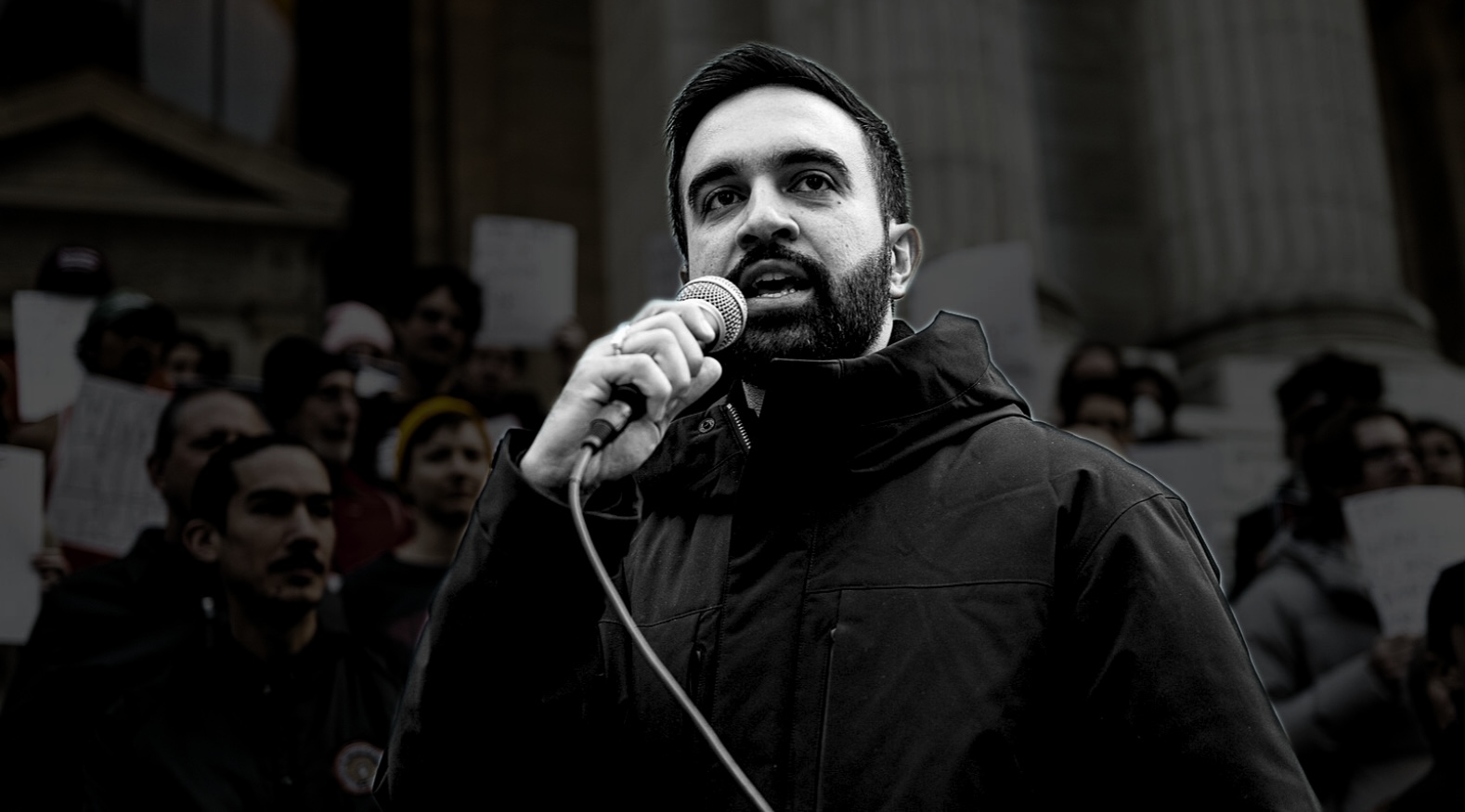
UPDATE: Newly elected Mayor of New York City, Zohran Mamdani, delivered a powerful inauguration speech yesterday, addressing the urgent needs of the precarious middle class. Mamdani emphasized the importance of collectivism over individualism, resonating with many New Yorkers who feel the financial squeeze.
In his speech, Mamdani highlighted the struggles of everyday citizens, particularly those who make up the “Middle Precariat”—a term coined to describe those who appear middle class but face economic hardship. Mariano Muñoz, a parent coordinator from Brooklyn, expressed his connection to Mamdani’s message, stating, “We feel the squeeze of everyday life, trying to raise our kids in Brooklyn.”
This movement comes at a critical time, with the cost of home ownership skyrocketing by 50% nationwide over the past five years. Many middle-class families are grappling with job insecurity and rising living costs. Tara Fannon, a New York-based contractor recently laid off, voiced her frustrations, saying, “My peers have all been impacted by funding cuts, and that further activates us.”
Amidst these challenges, Mamdani’s leadership offers hope. His inauguration was marked by the presence of Bernie Wagenblast, the iconic voice of New York City’s subway system, signaling a commitment to inclusivity and support for the working class. Voters like Peter Donahue, a 60-year-old electrician, noted that despite earning a decent salary, the high cost of living in Seattle leaves many feeling uncertain about their financial future. “We wonder, ‘Can I survive or am I going to be a homeless person?’” he said.
The political landscape is shifting as candidates across the nation, from Katie Wilson in Seattle to Abigail Spanberger in Virginia, recognize the influence of the middle class. With economic concerns at the forefront, Mamdani’s focus on affordability aligns with the sentiments expressed by voters nationwide.
Economist Thomas Ferguson from the Institute for New Economic Thinking highlighted the connection between rising costs of public goods and the frustrations felt by families. “Electricity costs have increased by 30% since 2021,” he stated, adding to the pressure on middle-class households already struggling with stagnant wage growth.
Political dynamics are evolving, with figures like James Carville suggesting that addressing economic grievances could be key for the Democratic Party. As the 2026 elections approach, the call for tangible solutions to affordability issues is becoming louder.
Mamdani’s leadership represents a pivotal moment for the middle class, offering a potential pathway to economic security. As the Middle Precariat becomes more politically engaged, their collective voice may reshape policy discussions and priorities within the city and beyond. The urgency for change is palpable, and many are hopeful that Mamdani’s vision will translate into real progress for those feeling the weight of financial instability.
In a rapidly changing political climate, the question remains: will the Middle Precariat harness its electoral strength to demand the change it desperately seeks? The next few years could prove crucial in determining the future of middle-class Americans.