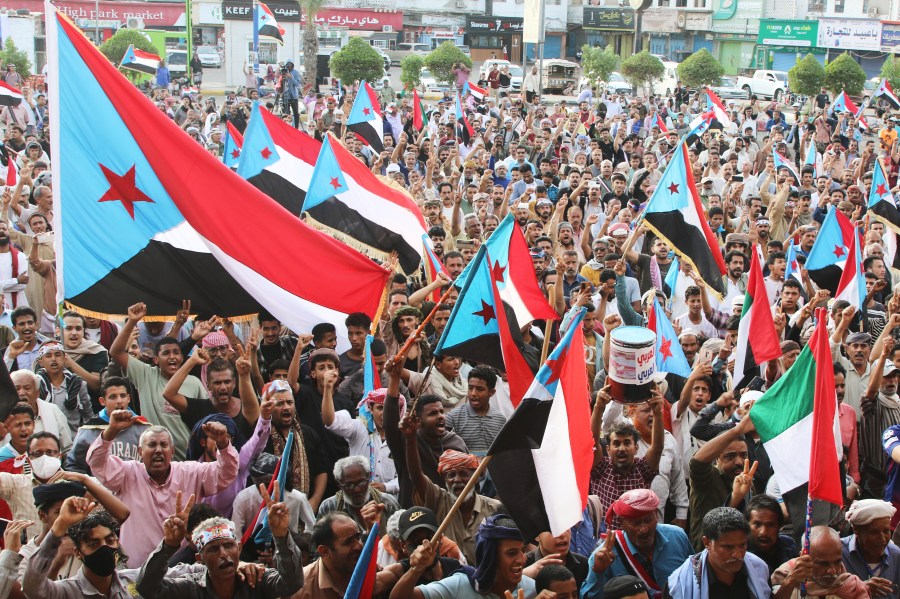
Yemen’s separatist movement, the Southern Transitional Council (STC), has announced a constitution aimed at establishing an independent nation in the southern region of the country. This declaration, made on October 20, 2023, marks a significant escalation in the ongoing conflict that has divided Yemen and intensified the rivalry between Gulf powers, particularly Saudi Arabia and the United Arab Emirates (UAE).
The STC’s move comes at a time when Yemen is embroiled in a prolonged civil war, with various factions vying for power. In a statement, the STC called on other political groups in Yemen to recognize its constitution and support its vision for independence. The announcement underlines the growing ambitions of the STC, which has received backing from the UAE, and highlights the complex dynamics at play in the region.
Rising Tensions in Yemen
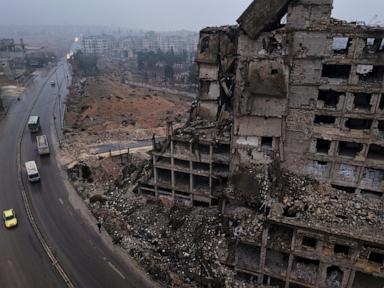
The civil war in Yemen, which began in 2014, has drawn in regional actors and led to a humanitarian crisis of staggering proportions. The STC, which emerged from the southern resistance against the Houthi movement, has increasingly asserted its authority in southern provinces, particularly around the port city of Aden. This latest announcement poses a challenge not only to the Houthis but also to the internationally recognized Yemeni government, which is backed by Saudi Arabia.
Tensions between the UAE and Saudi Arabia have intensified as both countries support different factions in Yemen. While Saudi Arabia has traditionally backed the Yemeni government, the UAE has sought to bolster the STC, leading to a fragmented approach to the conflict. Analysts suggest that the STC’s constitution could further complicate peace efforts in the region, as it sets a clear agenda for secession that may not be easily accepted by other political entities.
International Reactions and Implications
Reactions to the STC’s announcement have been mixed. Some regional observers express concern that this move could exacerbate existing divisions and escalate violence in an already unstable environment. Humanitarian organizations warn that any increase in conflict could worsen the dire conditions facing millions of Yemenis who rely on aid for survival.
The international community, including the United Nations, has called for a unified approach to resolving the conflict. The STC’s constitution may create further obstacles to peace negotiations, as it asserts a unilateral claim to sovereignty in the south. This development could also impact international relations, particularly as the Gulf states recalibrate their strategies in response to shifting alliances within Yemen.
As the situation unfolds, the focus remains on how various factions within Yemen will respond to the STC’s declaration and whether it will lead to a broader confrontation. The stakes are high, not only for Yemen but for regional stability, as the implications of this announcement resonate beyond its borders.