UPDATE: A surge of political dynasties is reshaping the U.S. election landscape as a new roster of candidates with famous family names announces their bids. This trend is set to draw significant attention as the 2024 elections approach, with key figures like Robert F. Kennedy Jr. and Jack Schlossberg stepping into the spotlight.
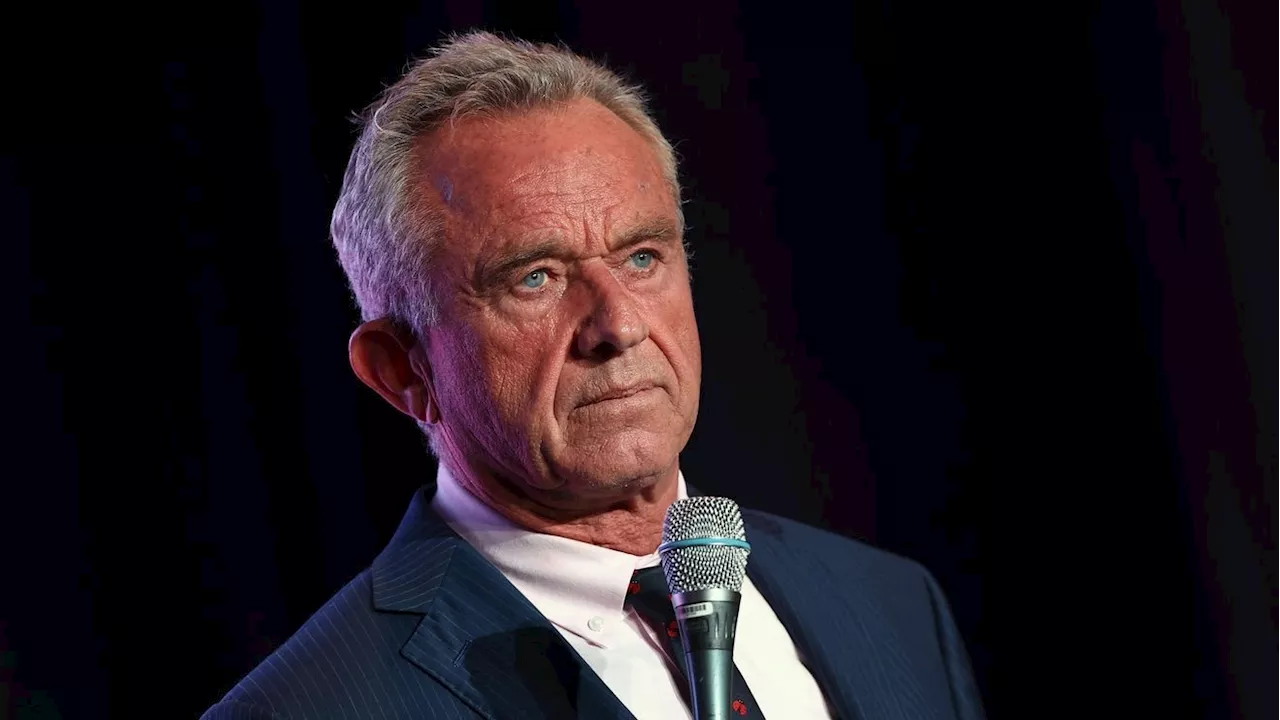
Emerging from the shadows of their legendary relatives, these candidates are igniting discussions about their potential influence. On May 24, 2024, independent presidential candidate Robert F. Kennedy Jr. addressed the Libertarian National Convention in Washington, D.C., where he is positioning himself to qualify for the first presidential debate on June 27 alongside President Joe Biden and former President Donald Trump. Kennedy, currently the health secretary in a Republican administration, is continuing the Kennedy legacy in the political arena.
Meanwhile, Jack Schlossberg, grandson of President John F. Kennedy, is making waves of his own. Running as a Democrat for Congress in New York, he has frequently criticized his cousin RFK Jr. and the Trump administration. “I’m running for office because 250 years after our country was founded, we’re in a crisis unlike we’ve seen before,” Schlossberg stated in an interview with MS Now.
In another notable campaign, Jonathan Bush, nephew of former Presidents George H.W. Bush and George W. Bush, is vying for the governorship in Maine. On his podcast, he revealed insights from a recent poll indicating that 70% of likely voters in Maine view the Bush family positively, a significant advantage in his campaign.
California is also joining the political family frenzy, as Christine Pelosi, daughter of former House Speaker Nancy Pelosi, seeks a state Senate seat. In New Hampshire, Stefany Shaheen, daughter of retiring Democratic Senator Jeanne Shaheen, is aiming for a congressional seat, while Arizona’s Adelita Grijalva recently won a special election to replace her late father, showcasing the powerful influence of name recognition in politics.
The question remains: can these political legacies translate into actual electoral victories? With the elections drawing near, all eyes are on these candidates to see how their family names impact their campaigns.
As the 2024 election cycle heats up, the spotlight on these new political dynasties raises intriguing questions about the future of U.S. politics. Will familiar names resonate with voters, or will a desire for change push these legacy candidates to the sidelines? Stay tuned for updates as these races develop.