The global party scene is evolving as an increasing number of people embrace sober raves, which offer an alternative to traditional nightlife. These events, characterized by caffeine-fueled dancing in the morning, are attracting a diverse crowd seeking community and wellness without the influence of alcohol.
On a Saturday morning in October, Park Jihyun, a 29-year-old attendee, woke up at 5:30 a.m. to join the Seoul Morning Coffee Club’s Coffee Rave. Instead of the typical club attire, she opted for running tights and sneakers, jogging five miles to the venue in Yongsan-gu. “It’s just random people who meet for the first time. But as we start dancing together, it becomes crazier as time flies,” Park said. This unique event, which began in May, has quickly gained popularity, drawing hundreds of enthusiasts eager to dance at dawn with a beverage in hand, often an iced Americano.
Founder Park Jae-hyun aims to create a positive environment where participants can enjoy themselves without alcohol. “Even though it’s very early in the morning, everyone looks excited and happy, even without alcohol,” he noted. The Coffee Rave opens its doors at 7 a.m., with attendees arriving to enjoy their drinks before the DJ takes the stage at 8 a.m. The atmosphere is electric as the crowd dances, fueled solely by caffeine.
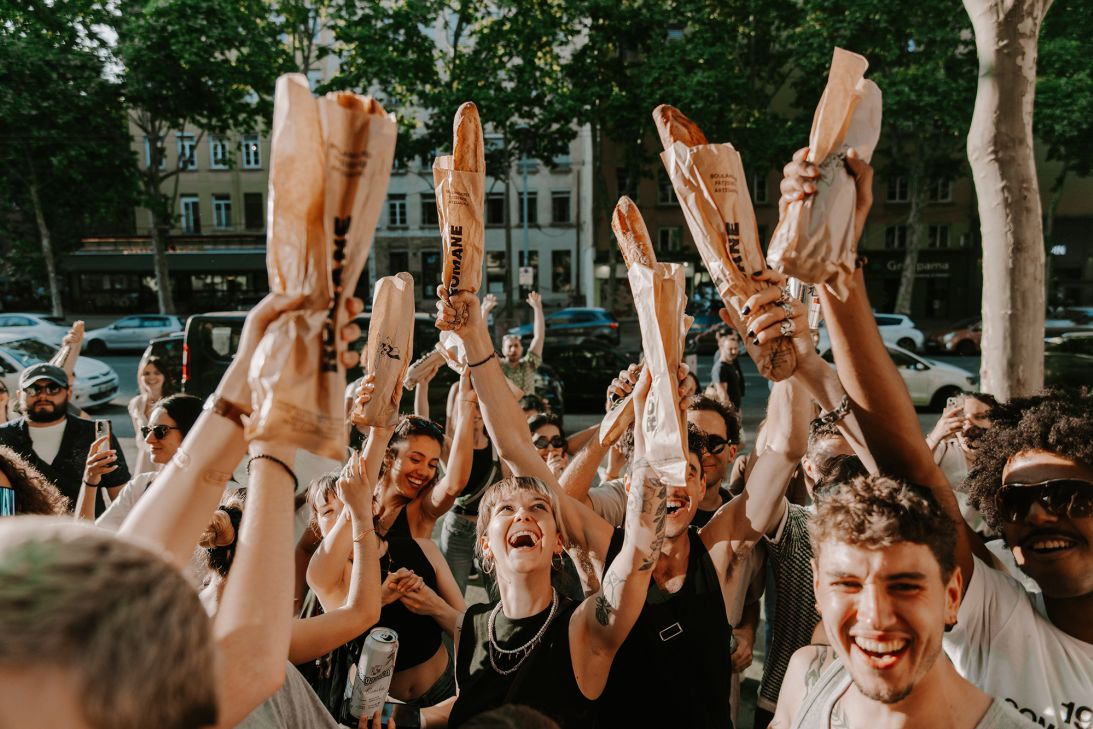
Sober raves are not an entirely new phenomenon. Events like Daybreaker in New York and Morning Gloryville in London have been pioneering alcohol-free parties for over a decade. However, the trend has gained significant traction, moving into community spaces such as coffee shops and bakeries around the world, fundamentally altering the traditional clubbing experience.
Global Expansion of Sober Raves
From Brisbane to Toronto, sober raves appeal particularly to younger generations, including Gen Z and younger Millennials, who are increasingly prioritizing health and wellness. The concept was popularized by French DJ Alexis Duvivier, known as Aazar, who organized his first bakery rave in Paris in 2019. “I didn’t choose a bakery because I was looking for an unusual location, but because for me it represents France and represents what I love,” Duvivier stated.
The movement has evolved beyond its initial intent, resonating with a growing desire for community and connection. “In Korea, there’s a lot of competition and mental illness in society,” said Park Jae-hyun, emphasizing the importance of creating spaces where individuals can unwind. South Korea faces significant mental health challenges, with the highest suicide rate among OECD countries at 23 per 100,000 people in 2023, more than double the OECD average.
Younger generations in South Korea are increasingly rejecting traditional norms, seeking alternative social experiences that prioritize well-being. Events organized by the Seoul Morning Coffee Club, which also includes morning runs and book clubs, provide a platform for individuals to connect and relieve stress.
Safe Spaces for Connection
For attendees like Freya Hawksley, a 23-year-old British content creator living in Seoul, these events offer a refreshing alternative to typical nightlife. “When you’re partying and drinking, your energy levels start really high and then deplete throughout the night,” she explained. In contrast, morning raves leave participants feeling energized and ready for the day ahead.
The atmosphere is welcoming, catering to all ages and demographics. “As a woman, I feel so much safer,” Hawksley noted, highlighting the inclusive nature of these gatherings.
In London, DJs Manpal Bhullar and Vishal Kamle have introduced similar daytime raves in coffee shops, reflecting a wider disillusionment with late-night club culture. Kamle shared, “I’m at that age where I don’t want to be out until the early morning, drinking and clubbing.” This sentiment echoes a recent report from the Night Time Industries Association UK, which revealed that 61% of 2,000 respondents aged 18-30 reported going out less frequently due to financial and safety concerns.
In Toronto, the arrival of sober coffee raves has reinvigorated the local nightlife scene. Matthew Campoli, co-founder of The Coffee Party, noted that the pandemic has shifted priorities, with many seeking genuine connections and community.
Participants like Franklin Vaz, who quit alcohol but still loves music, found these events to be a perfect fit. After attending one and striking up a conversation with a fellow attendee, he discovered a shared interest in running, leading to a successful relationship. “The events are very motivating,” he remarked. “The people there want to be the best versions of themselves.”
As sober raves continue to gain momentum globally, they reflect a significant cultural shift towards healthier lifestyles, community engagement, and a desire for enjoyable social experiences that do not revolve around alcohol. This new wave of events is redefining what it means to party, creating spaces where all can feel included and energized.