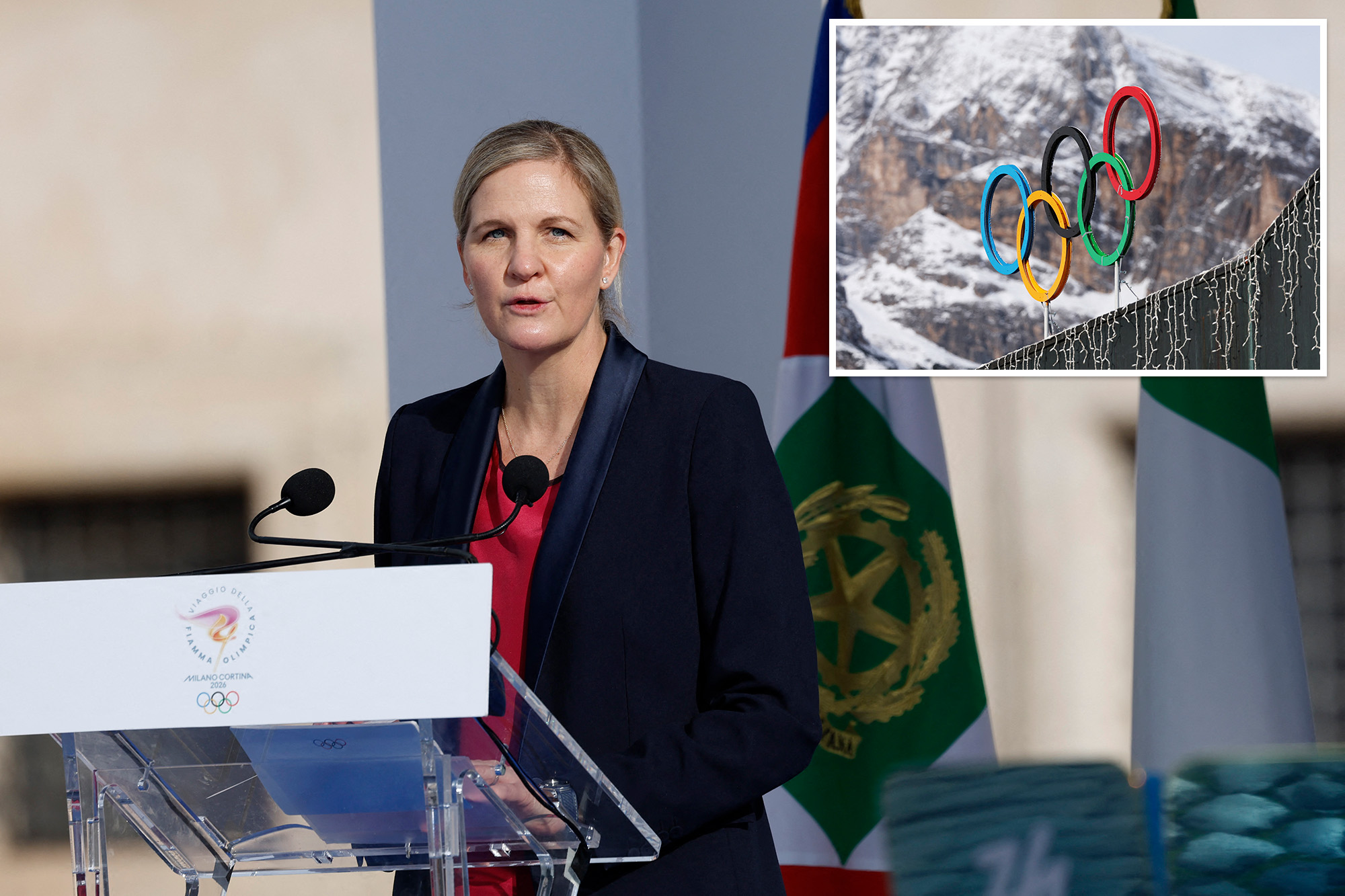
Russian athletes will be unable to compete under their national flag at the upcoming Winter Olympics in Italy, which are scheduled to take place from February 6 to 22, 2026. Despite ongoing discussions regarding a peace deal with Ukraine, the International Olympic Committee (IOC) has confirmed that its stance remains unchanged. In an interview with the Italian newspaper Corriere della Sera, IOC President Kirsty Coventry stated, “At this stage, nothing would change the Committee’s decision.”
The IOC intends to uphold sanctions imposed nearly four years ago following Russia’s invasion of Ukraine in February 2022. This means that athletes holding Belarusian or Russian passports will participate as Individual Neutral Athletes (AINs). AINs will compete without national flags, anthems, or team uniforms, and they are prohibited from participating in team events or the opening ceremony.
The IOC has kept communication channels open with Russian Olympic Committees, though it has not engaged directly with Russian President Vladimir Putin. Coventry’s comments reflect the IOC’s firm position on maintaining sanctions against Russia. She mentioned that discussions with the Russian Olympic committees are ongoing, but emphasized the Committee’s commitment to its previous decisions.
The specific regulations for AINs denote that they will have a distinct team flag and anthem, which will not contain lyrics. During victory ceremonies, the AIN flag will be displayed, and their anthem will be played. The IOC has yet to determine whether AINs will be allowed to participate in the closing ceremonies, noting that the decision will be made during the Games, considering that all athletes will partake collectively.
Despite the restrictions, the IOC reported that during the 2024 Olympic Games in Paris, 32 athletes with Russian or Belarusian passports from various sports participated “without any incident on or off the field of play.” Nonetheless, the IOC has made it clear that athletes who actively support the war or are contracted to the Russian or Belarusian military or national security agencies will not be eligible to compete.
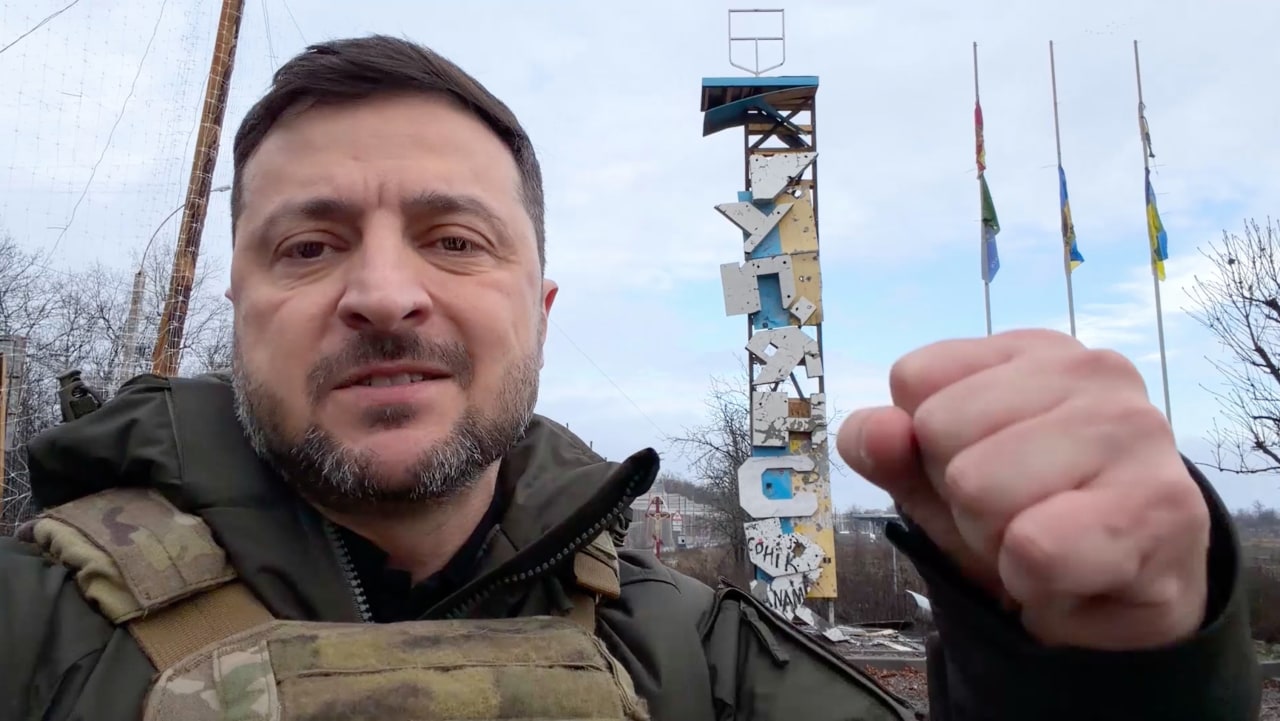
Ukrainian President Volodymyr Zelensky recently indicated that a US-backed peace deal is “90% ready.” However, he noted that Russia’s uncompromising demands are the primary obstacle to finalizing an agreement. The ongoing conflict and its ramifications continue to affect not only geopolitical dynamics but also the sporting world, as athletes face restrictions that impact their competitive participation on an international stage.