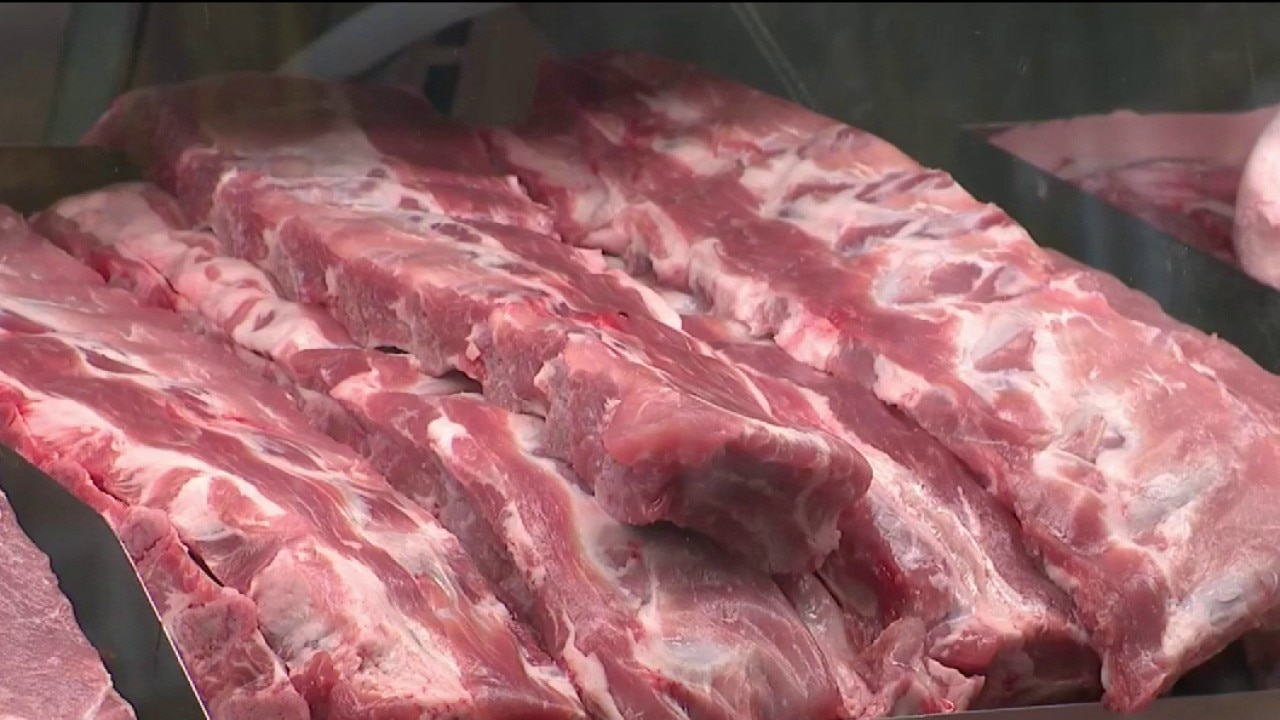
Several major beef processors in the United States are facing a class action lawsuit that alleges they engaged in anti-competitive behavior, resulting in inflated prices for consumers. The lawsuit seeks $87 million in damages, claiming that these manufacturers conspired to limit competition and control market share.
The case, which has drawn significant attention, claims that the manufacturers agreed to refrain from competing aggressively against one another. This alleged collusion reportedly allowed them to raise prices, adversely affecting consumers who rely on affordable meat products. The lawsuit underscores serious concerns about market manipulation within the meat industry.
Details of the Allegations
According to court documents, the lawsuit names several prominent beef processors as defendants. Plaintiffs argue that the companies’ coordinated actions led to higher prices for beef products, impacting both retailers and consumers alike. The allegations suggest that this collusion has persisted for several years, raising questions about the integrity of the meat supply chain.
The legal action has garnered support from various consumer advocacy groups, which emphasize the need for transparency and fair competition in the marketplace. “Consumers deserve to know that they are not being taken advantage of by companies that should be competing to provide the best products at the best prices,” stated a representative from one such group.
Potential Impact on the Industry
If the court rules in favor of the plaintiffs, the outcome could have significant ramifications for the meat processing industry. An antitrust settlement of this magnitude could prompt other industries to reassess their competitive practices, as well as lead to increased regulatory scrutiny of similar sectors.
The lawsuit also highlights broader trends in consumer awareness regarding pricing practices and corporate accountability. As more individuals become aware of potential price-fixing schemes, companies may face growing pressure to maintain fair pricing and open competition.
In an era where consumers are increasingly vigilant about their purchasing choices, the outcome of this lawsuit could serve as a pivotal moment in the discussion surrounding ethical business practices in the agriculture sector.
As the case progresses, stakeholders will be closely monitoring its developments, particularly as they pertain to the anticipated settlement amounts and potential changes in market dynamics. For now, consumers may find themselves hoping for a favorable resolution that could lead to lower meat prices.