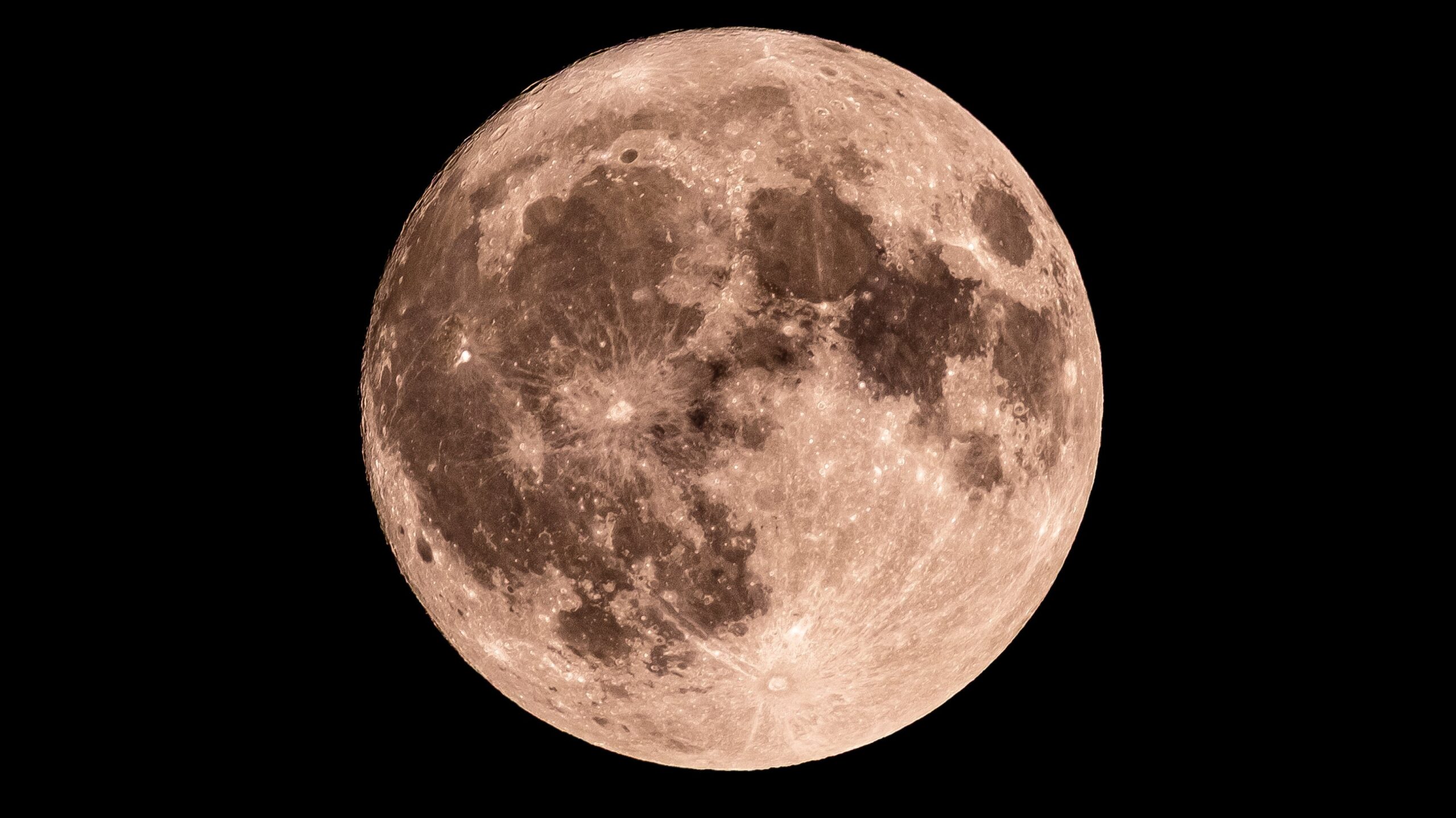
As of January 4, 2024, the Moon is in the **Waning Gibbous** phase, illuminated at approximately **98.6%**. Following the recent Full Moon, which marked a significant moment in the lunar cycle, the Moon will gradually decrease in illumination over the coming nights. This transition signifies the start of the waning phase, leading up to the next New Moon, which is scheduled for **February 1, 2024**.
The lunar cycle, which spans about **29.5 days**, is characterized by various phases that the Moon undergoes as it orbits Earth. According to **NASA**, these phases occur due to the changing angles of sunlight that illuminate the Moon’s surface. The same side of the Moon consistently faces our planet, yet the visible portion changes, creating the observable phases.
Understanding the Lunar Phases
The lunar cycle can be divided into eight main phases, each presenting a unique appearance of the Moon. These include:
– **New Moon**: The Moon is positioned between Earth and the Sun, rendering it invisible to observers on Earth.
– **Waxing Crescent**: A small sliver of light becomes visible on the right side in the Northern Hemisphere.
– **First Quarter**: Half of the Moon is illuminated on the right side, resembling a half-moon.
– **Waxing Gibbous**: More than half of the Moon is lit but it is not yet full.
– **Full Moon**: The entire face of the Moon is illuminated and fully visible.
– **Waning Gibbous**: The illumination begins to decrease from the right side.
– **Third Quarter**: Another half-moon phase, with the left side now lit.
– **Waning Crescent**: A thin sliver of light remains on the left side before the Moon becomes dark again.
As the Moon transitions through these phases, it not only captivates stargazers but also plays a significant role in various cultural and scientific contexts. The next full moon will be a notable event in February, providing another opportunity for sky watchers to enjoy the beauty of lunar illumination.
For those interested in observing the Moon’s current phase, resources like **The Sky Live** provide real-time data on lunar visibility, allowing enthusiasts to track the Moon’s changing appearance night by night.