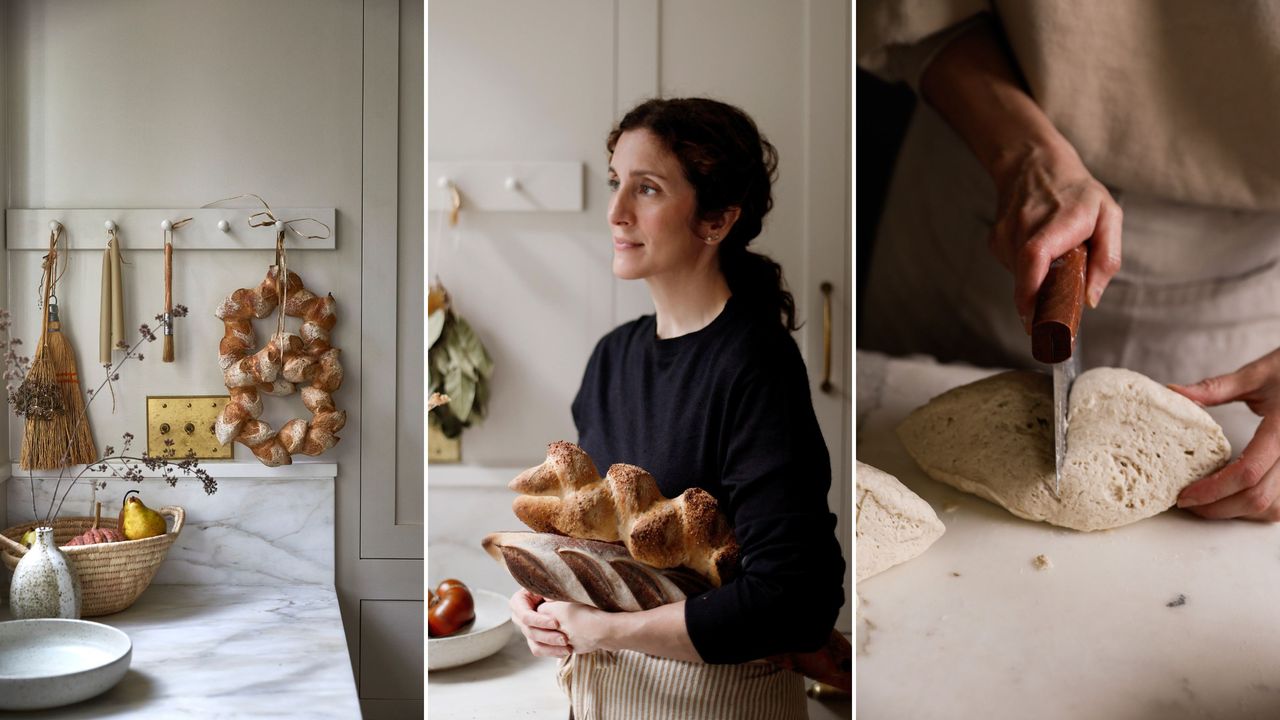
Acclaimed baker and photographer Aran Goyoaga has released her latest book, The Art of Gluten-Free Bread, which offers a fresh perspective on gluten-free baking. This new publication is particularly timely as it arrives at the start of the New Year, encouraging readers to embrace slow, intentional cooking practices.
Reflecting on her journey, Goyoaga states, “This is the book I wish I had fifteen years ago when I stopped eating gluten. It’s the culmination of years of testing, learning, and refining.” Her connection to baking runs deep, stemming from her childhood in the Basque Country of Northern Spain, where her family owned a bakery. This background inspires her to elevate gluten-free baking, transforming it into an extension of her family’s culinary traditions rather than a restriction.
Redefining Gluten-Free Bread
Goyoaga dispels common myths surrounding gluten-free bread, asserting, “The biggest misconception is that gluten-free bread has to be dense or flavorless or made with filler ingredients. It doesn’t have to be that way.” She meticulously crafts each recipe, balancing whole grains and light starches to achieve the desired texture and flavor. She emphasizes that wheat flour is predominantly starch, and in gluten-free baking, the key lies in finding the right proportions.
Her book features a variety of nourishing breads that celebrate alternatives to wheat. Ingredients like sorghum, millet, brown rice, teff, and buckwheat not only add unique flavors but also enhance nutritional value. Many recipes are not only rich in fiber but are often easier to prepare than traditional loaves. “Because gluten-free doughs don’t rely on kneading, you simply mix, ferment, and bake,” Goyoaga explains. “There’s something very freeing about that.”
Baking as a Form of Connection
In her book and through her on-demand gluten-free baking classes, Goyoaga extends her expertise beyond bread to include classic cookies, buns, and crackers. These treats serve as thoughtful gifts for those following gluten-free diets. Goyoaga finds that the colder months naturally invite baking, stating, “I’m a homebody. I look forward to this time—lighting the best candles, cozying up with blankets, making a fire, and filling the house with the smell of bread.”
The act of baking, for Goyoaga, becomes a means of connection. “Working with your hands, nurturing a starter, or sharing a loaf with a neighbor are grounding, creative acts. They bring you back to yourself and foster connection,” she reflects. This sentiment encapsulates the emotional ties people have with bread, reinforcing its role in family and community traditions.
Goyoaga’s approach to baking is anchored in simplicity, both in ingredients and tools. “I don’t like clutter, and I find it wasteful to fill a kitchen with single-use tools,” she notes. She advocates for investing in a few durable and essential items, such as a chef’s knife, a sturdy loaf pan, and a reliable stand mixer. Her philosophy encourages an awareness of the tools’ purpose and longevity.
“Baking is absolutely an antidote to the pace of modern life,” Goyoaga asserts. This slower, mindful process offers a chance to create something tangible and nourishing, contrasting sharply with the fast-paced digital world.
For those venturing into gluten-free baking, Goyoaga offers practical advice: “Start with intention. Read the introductions to my books. Learn the flours, use a kitchen scale, follow the recipes exactly at first.” She emphasizes that practice leads to intuition, turning the act of baking into a ritual filled with joy. “Bread is emotional. It connects us to family, to community, to memory,” she concludes. “Being able to bake a loaf that feels and tastes like bread again can be incredibly moving.”
Goyoaga’s book not only provides recipes but also nurtures an appreciation for the art of gluten-free baking, encouraging readers to explore a world rich with flavor and connection.