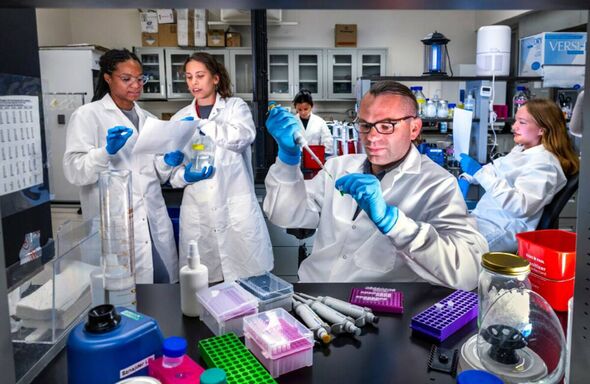
Recent research has unveiled that autism can be categorized into four distinct groups, significantly enhancing the understanding of this complex neurodevelopmental condition. A team from Princeton, New Jersey, and the Flatiron Institute conducted a study that identifies these phenotypes, each defined by unique behavioral characteristics and genetic markers. The findings, led by computational biologist Natalie Sauerwald, emphasize that autism is not a singular condition but rather a spectrum of diverse experiences.
Understanding autism has long posed challenges for healthcare professionals and researchers. According to the Centers for Disease Control and Prevention (CDC), the prevalence of autism diagnoses in the United States increased dramatically from approximately 1 in 150 children in 2000 to 1 in 31 by 2022. This rise reflects a growing awareness and acknowledgment of the condition’s varied manifestations rather than an actual epidemic.
Four Distinct Categories of Autism
The research, published in the journal Nature Genetics, outlines four distinct categories of autism, characterized by specific behavioral and genetic signatures.
1. **Broadly Affected**: This group, the smallest among participants, faced significant challenges. Individuals demonstrated developmental delays, pronounced difficulties with communication and social interactions, and repetitive behaviors that impacted many aspects of their lives.
2. **Mixed Autism with Developmental Delay**: Comprising around 19 percent of participants, this group exhibited early developmental delays but showed fewer signs of anxiety or disruptive behavior. Researchers classified this group as “mixed” due to the variation in social and repetitive behaviors among individuals.
3. **Moderate Challenges**: Approximately one-third of participants fell into this category, displaying classic autism traits such as social and communication differences and repetitive habits. However, their challenges were comparatively milder and did not include developmental delays.
4. **Social and/or Behavioral**: The largest group, accounting for around 37 percent of participants, included individuals who met early developmental milestones but later struggled with conditions like ADHD, anxiety, depression, or obsessive-compulsive disorder.
Co-author Olga Troyanskaya expressed surprise regarding the social and/or behavioral group, which primarily consisted of individuals diagnosed later in childhood, typically between the ages of 6 and 8. “To me, this was the most fascinating part,” Troyanskaya noted. “We’ve always thought of autism as a disorder of fetal development — but that may be true only for some children.”
The researchers’ findings provide a more nuanced understanding of autism, suggesting that each subtype may require tailored approaches to treatment and support. As societal awareness of autism grows, the implications of this research could reshape conversations about education, healthcare, and disability policy.
In summary, the identification of these four distinct autism phenotypes marks a significant advancement in understanding the condition. As researchers continue to explore the complexities of autism, these insights are likely to influence future research, diagnosis, and the development of more effective interventions for individuals on the autism spectrum.