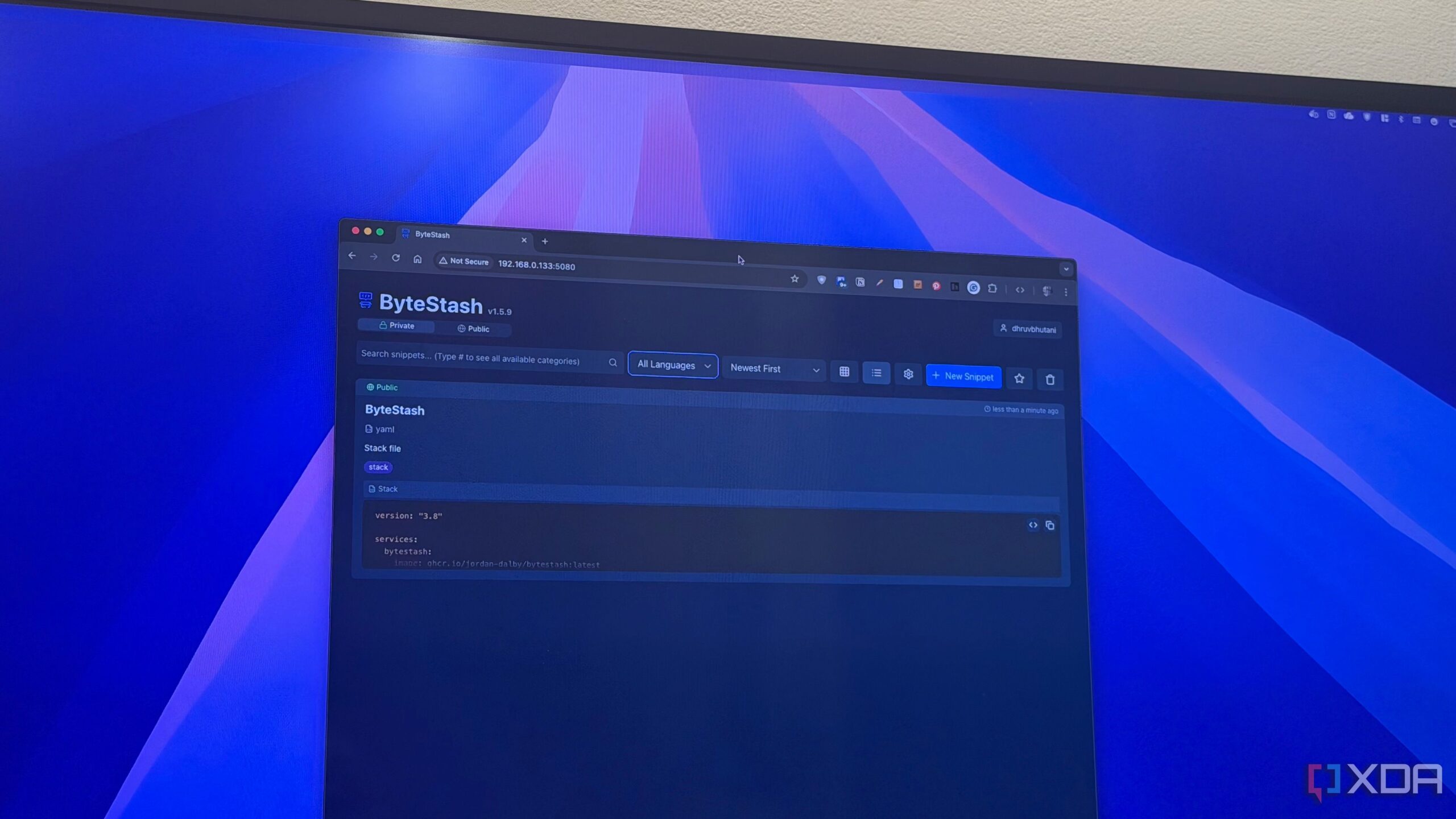
A new minimalist snippet tool is addressing a common challenge faced by hobbyist developers and home lab enthusiasts. Many in this community often encounter difficulties in recalling previously solved coding problems. Despite efforts to document solutions—whether in note-taking apps, markdown files, or even emails—finding specific code snippets can become a cumbersome task.
The need for effective organization and retrieval of code snippets is significant. Developers frequently resort to various methods for saving their work, but the real issue lies in the ability to quickly locate and utilize these snippets when needed. This gap in productivity can hinder the efficiency of coding processes and prolong problem-solving times.
Enhancing Productivity with a Simple Solution
The newly introduced tool focuses on streamlining the management of code snippets, offering a user-friendly interface that allows developers to save and categorize their work effortlessly. By providing a centralized platform for code storage, this tool eliminates the hassle of searching through multiple documents or messages.
What sets this tool apart is its minimalist design, which prioritizes simplicity and ease of use. Developers can quickly add snippets, tag them for future reference, and retrieve them with minimal effort. This feature is particularly beneficial for those who juggle multiple projects or frequently experiment with new coding techniques.
According to feedback from early users, the tool significantly reduces the time spent searching for previously written code. It not only enhances productivity but also allows developers to focus more on creating and less on locating their work.
Community Response and Future Developments
The programming community has responded positively to the introduction of this snippet management tool. Many hobbyist developers report a marked improvement in their workflow, attributing it to the ability to access past solutions quickly. This tool is seen as a valuable addition to their development toolkit, addressing a widespread frustration within the community.
Looking ahead, developers of the tool are considering additional features based on user feedback. Potential enhancements include integration with popular code editors and support for various programming languages. Such improvements could further streamline developers’ experiences and foster a more efficient coding environment.
In conclusion, this new minimalist snippet tool represents a significant advancement for hobbyist developers and home lab enthusiasts. By addressing the common issue of code snippet retrieval, it empowers users to work more efficiently and effectively. As the tool evolves, it holds the potential to become an essential resource in the programming community.