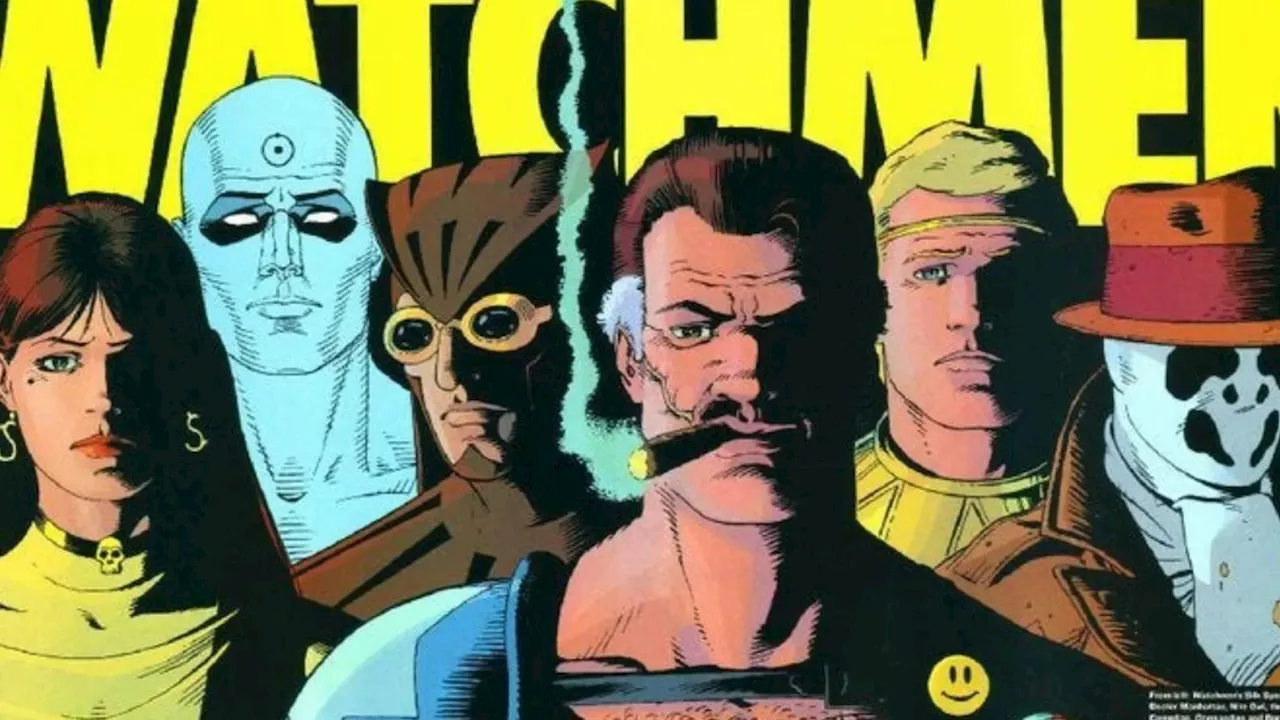
Watchmen, the iconic comic series created by writer Alan Moore, artist Dave Gibbons, and colorist John Higgins, marks its 40th anniversary this year. Serialized across twelve issues between 1986 and 1987, the series has left an indelible mark on the comic book landscape and is widely regarded as a pivotal work in the genre. As the anniversary approaches, it prompts a re-evaluation of its lasting influence and relevance in today’s cultural climate.
Historical Context and Cultural Commentary
Originally conceived as a satirical deconstruction of superhero archetypes, Watchmen not only redefined the medium but also served as a mirror reflecting the socio-political anxieties of the time. The series emerged during the Cold War, a period characterized by the looming threat of nuclear war, pervasive distrust of government institutions, and significant societal shifts. Events such as the Watergate scandal and the Vietnam War deeply informed its narrative, creating a landscape of cynicism and moral ambiguity.
Despite its acclaim, the interpretation of Watchmen today raises questions about its relevance. The comic’s intricate storytelling and innovative use of the nine-panel grid have set high standards. Yet, its slow pacing and complex themes may render it more of a historical artifact than a contemporary guide for the superhero genre.
Impact on Modern Storytelling
The legacy of Watchmen has profoundly influenced subsequent generations of comic creators. Many have adopted its dark and gritty narrative style, often missing the nuanced commentary that Moore and Gibbons originally intended. The commercial success of Watchmen opened the floodgates for stories that prioritize morally ambiguous heroes, leading to a saturation of similar narratives in the industry. While examining flawed characters can add depth, the replication of shock value without thoughtful context has often diluted the original’s impact.
As contemporary society evolves, the themes explored in Watchmen may no longer resonate as they once did. The comic reflects an era steeped in uncertainty, yet today’s audiences face different challenges and anxieties. The cultural landscape has shifted significantly since the late 1980s, with new narratives emerging that engage with current issues and complexities.
Rather than holding Watchmen as the definitive standard for superhero stories, it is crucial to recognize that other works have emerged that successfully push the genre forward. These narratives explore modern themes and engage with audiences in ways that reflect contemporary realities. The challenge lies in appreciating Watchmen for its historical significance while acknowledging the need for innovation and fresh perspectives in storytelling.
In conclusion, the 40th anniversary of Watchmen serves as a reminder of its profound impact on comic book history. While it remains a landmark achievement, the ongoing dialogue surrounding its legacy highlights the importance of adapting superhero narratives to reflect the ever-changing fabric of society. As the genre continues to evolve, embracing a diversity of voices and perspectives will be essential for its future.