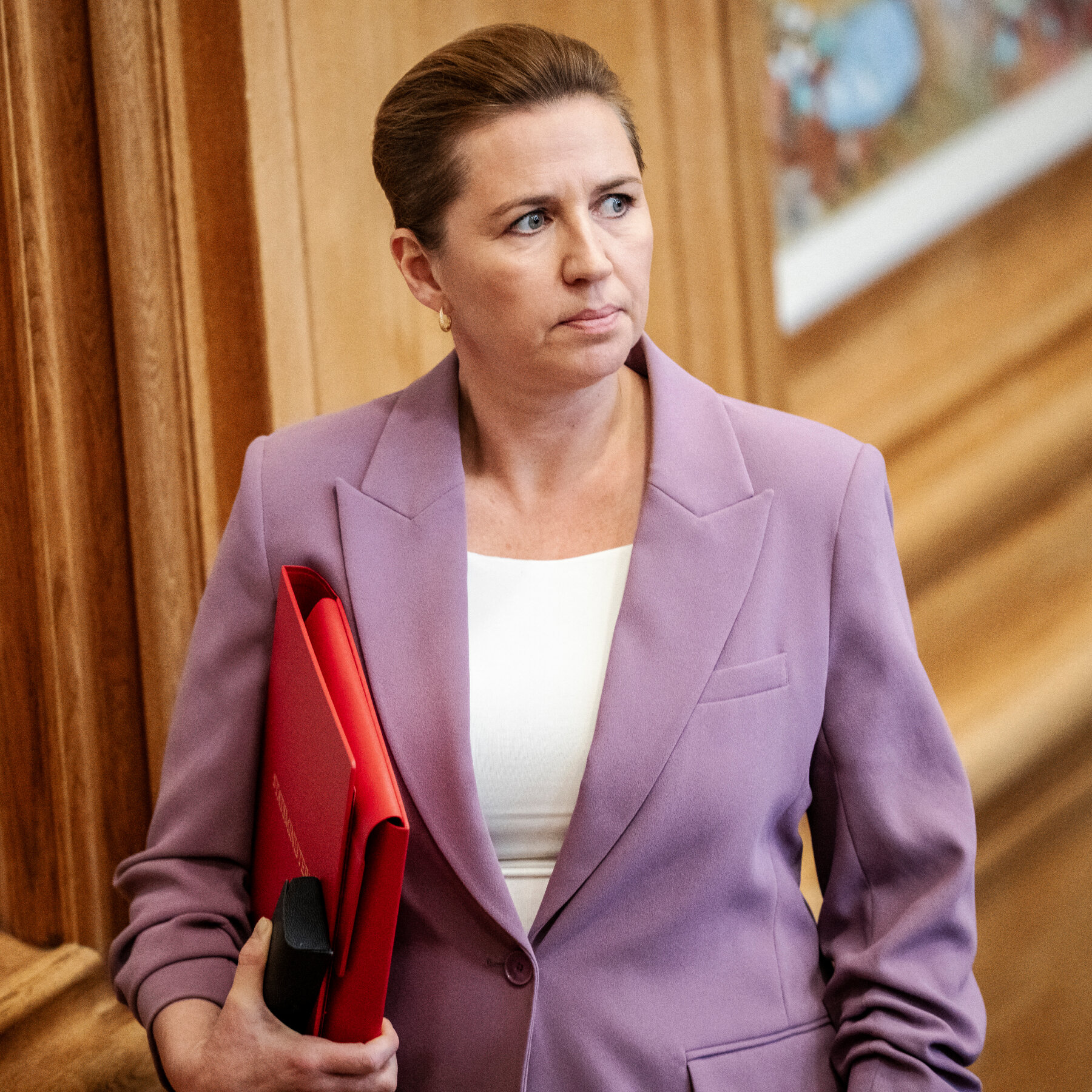
The Danish Prime Minister, Mette Frederiksen, has called on President Donald Trump to cease his threats regarding the potential acquisition of Greenland. This statement follows Trump’s recent comments linking the proposed purchase of the territory to a U.S. military operation in Venezuela, which has raised concerns in Denmark about the implications of such remarks.
In August 2019, Trump expressed interest in buying Greenland, a self-governing territory of Denmark, sparking a diplomatic incident. Frederiksen firmly rejected the notion, stating that Greenland is not for sale. Despite the initial backlash, Trump has continued to reference the idea, which has drawn ire from Danish officials and citizens alike.
Context of the Threats
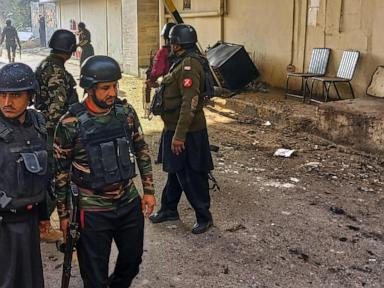
The tensions resurfaced as Trump reiterated his acquisition ambitions after a military raid in Venezuela aimed at ousting President Nicolás Maduro. While the U.S. has justified its actions in Venezuela as necessary for regional stability, the connection made by Trump between these military actions and Greenland has been met with criticism. Frederiksen emphasized that threats towards Denmark and its territories are unwarranted and counterproductive.
This latest exchange highlights the complexities of international relations, particularly regarding territories with historical ties to colonialism. Greenland, while geographically part of North America, has a unique status under Danish sovereignty. The Prime Minister reiterated that Greenland’s future should be determined by its inhabitants and that any discussions about its status must involve them directly.
Reactions from Denmark and Beyond
The Danish government’s response reflects a broader sentiment among its citizens, many of whom view Trump’s comments as dismissive of their autonomy and self-determination. Public sentiment remains staunchly against any notion of selling Greenland, as highlighted by various opinion polls conducted in the region.
Internationally, reactions have varied. Some analysts view Trump’s threats as a reflection of his transactional approach to foreign policy, while others argue they undermine diplomatic relations. The U.S. has historically maintained a strategic interest in Greenland, particularly due to its location and resources. However, these tensions could lead to long-term consequences for U.S.-Denmark relations.
As diplomatic channels remain open, it is crucial for both nations to navigate this situation carefully. The emphasis on dialogue and mutual respect will be essential in addressing the underlying issues and fostering a cooperative relationship going forward.
In summary, Mette Frederiksen has made it clear that the idea of acquiring Greenland is not a viable option. Upholding the sovereignty and wishes of Greenland’s inhabitants will remain a priority for the Danish government as they seek to maintain stability in this increasingly complex geopolitical landscape.