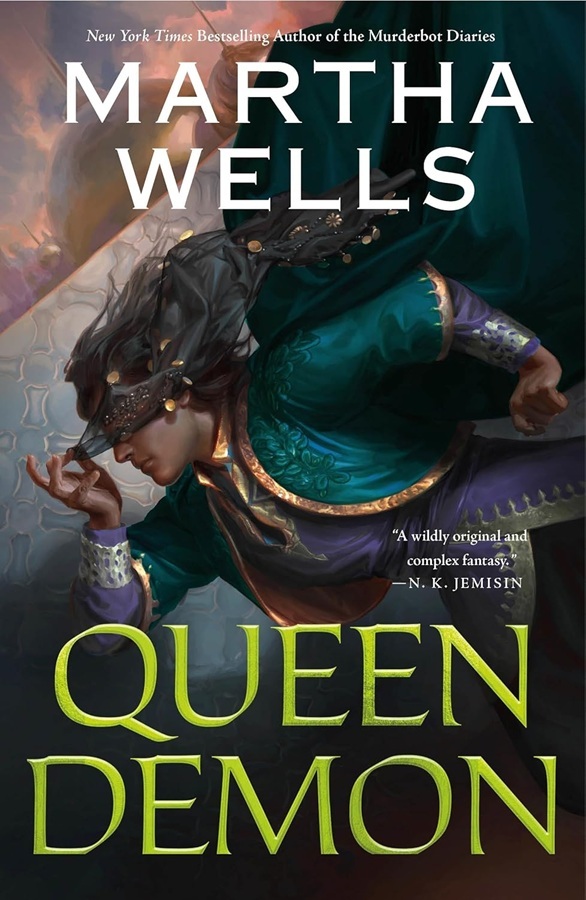
Martha Wells’ latest novel, Queen Demon, continues her exploration of complex themes surrounding colonization and trauma, building on the events of its predecessor, Witch King. This sequel delves deeper into the lives of its unique characters, including the protagonist Kaiisteron, who begins the story in a state of disarray, having faced immense loss and upheaval.
Wells is known for her anthropological approach to storytelling, presenting narratives that often feature non-human characters. In Queen Demon, readers encounter a Demon, a Witch, and an Immortal Blessed as they navigate a world shaped by conquest and survival. The intricate tapestry of her writing invites readers to engage with the human condition from an outsider’s perspective, prompting a reflection on inhumanity and resilience.
Plot Overview and Thematic Depth
The narrative picks up right where Witch King left off, weaving together past and present timelines. The story focuses on the aftermath of a rebellion led by Bashasa, who has successfully confronted and defeated a tyrannical ruler. As Kai and his allies regroup, they must confront the larger implications of their struggle against the Hierarchs, the oppressive power that has exploited their world.
Wells does not simply recount events; she embeds profound themes within the plot. The characters grapple with trauma, a recurring motif in her works, particularly in both the Murderbot Diaries and the Rising World series. Kai’s journey is marked by the destruction of his two worlds: the underground realm of his birth and the Saredi world above, both devastated by the Hierarchs.
Through poignant moments, Wells highlights the impact of colonialism. A significant scene occurs when Bashasa, addressing a crowd after vanquishing Karanis, holds a banner that symbolizes the plunder of conquered peoples. He declares, “I took this from their wall of trophies, where they hung the stolen treasures of a hundred lands and the bones of the brave who fought them.” This statement starkly illustrates the dehumanizing perspective of the conquerors and serves as a critique of colonial attitudes.
Anticolonial Themes and Future Implications
The narrative challenges readers to consider how to “unburn” a world ravaged by oppression. Kai’s reluctance to accept the imperial ambitions of Prince-Heir Bashat reveals a deeper understanding of the importance of restoring dignity to the oppressed. He recalls Bashasa’s final words, urging that their struggle must not lead to the establishment of another empire, but rather to a restoration of what was lost.
As the series progresses, Queen Demon maintains momentum while exploring the complexities of rebellion and identity. The characters are not merely engaged in a fight against oppression; they are also navigating their own histories and cultures, striving to redefine their existence outside of the conqueror’s narrative.
With a gripping mixture of character-driven storytelling and deep thematic exploration, Wells’ work stands as a powerful commentary on the scars of colonization and the resilience needed to reclaim cultural identity. As readers anticipate the resolution of the ongoing conflicts in this series, they are invited to reflect on broader questions of power, survival, and the potential for renewal.
In summary, Queen Demon is not only a continuation of a captivating fantasy narrative but also an essential examination of the legacies of colonialism and the enduring fight for autonomy and dignity. Readers are encouraged to engage deeply with the text, as Wells intricately weaves her themes into the fabric of her storytelling, prompting thoughtful reflection on the human experience.