Abortion will continue to be legal in Wyoming after the state’s Supreme Court ruled against several restrictive laws, including a ban on pill abortions. The court announced its decision on Tuesday, declaring that these laws violate the state constitution. This landmark ruling marks a significant moment in the ongoing national debate over reproductive rights, especially following the U.S. Supreme Court’s decision in June 2022 to overturn Roe v. Wade.
The ruling was a victory for Wellspring Health Access in Casper, the state’s only abortion clinic, along with advocacy group Chelsea’s Fund and four women, including two obstetricians. These plaintiffs argued that the laws infringed on a constitutional amendment that protects an individual’s right to make personal healthcare decisions. Their case emphasized the importance of allowing competent adults to choose their own medical treatments.
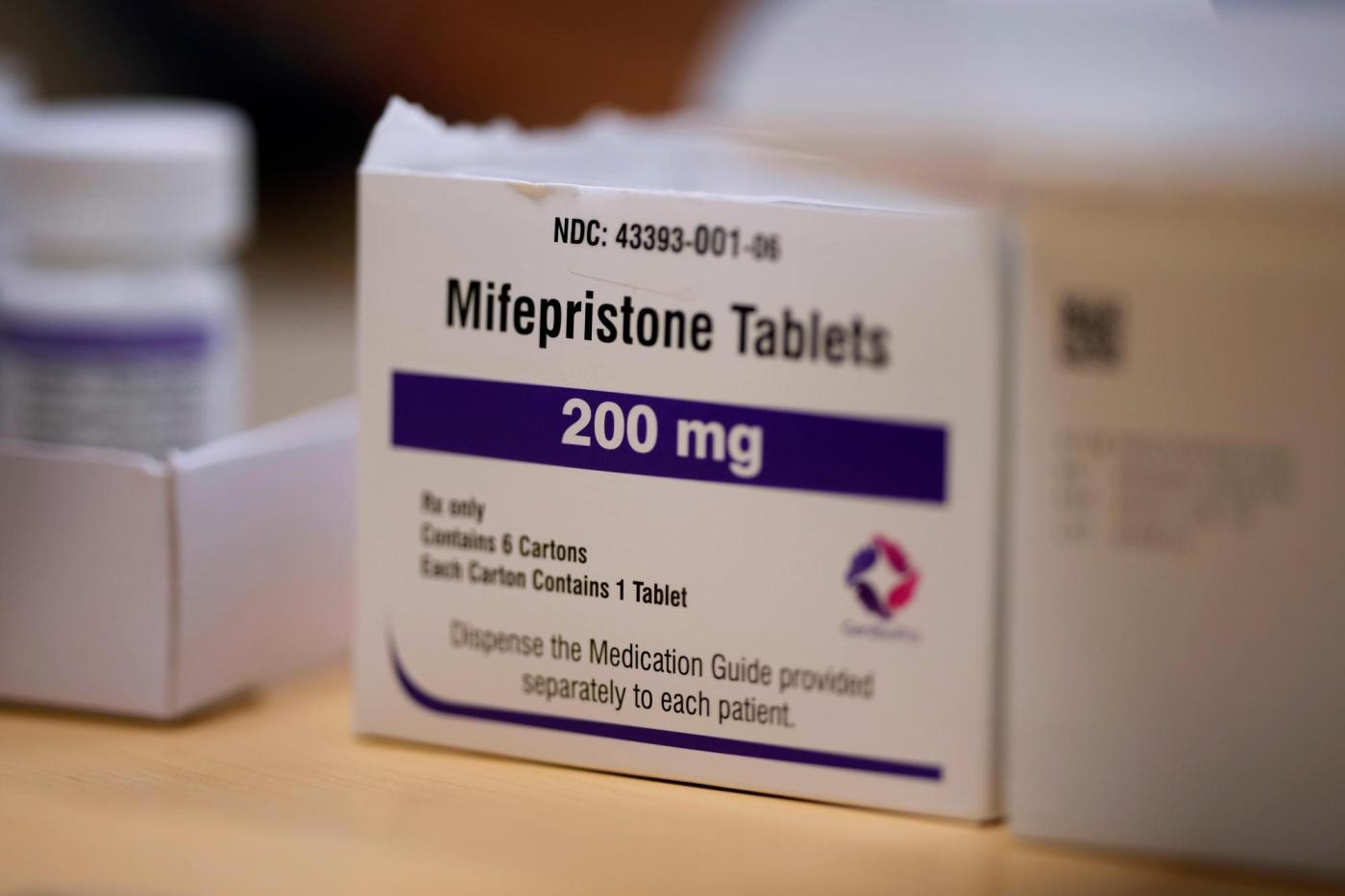
In contrast, attorneys representing the state contended that abortion does not qualify as healthcare under the Wyoming constitution. The laws in question included one that aimed to prohibit abortion except when necessary to protect a pregnant woman’s life or in cases of rape or incest. The other law would have made Wyoming the sole state to explicitly ban the use of abortion pills, while other states have enacted de facto bans on such medication through broader prohibitions on abortion.
The legal battle began after Teton County District Judge Melissa Owens issued a temporary block against the bans while the lawsuit was in progress. In November 2022, Judge Owens ruled that these laws were unconstitutional, allowing abortion access to remain intact in Wyoming during the legal proceedings.
As the legal landscape surrounding abortion continues to evolve, this ruling highlights the complexities of state versus federal rights in healthcare. The Wyoming Supreme Court’s decision stands as a critical reaffirmation of reproductive rights in a state often characterized by conservative values. The implications of this ruling may resonate beyond Wyoming, influencing similar legal challenges and discussions in other jurisdictions across the United States.
The ongoing debate around abortion access reflects broader societal values and the challenges that arise when personal healthcare decisions intersect with legislative actions. As the country moves forward, the attention on states like Wyoming may provide a pivotal lens on the future of reproductive rights and healthcare autonomy.