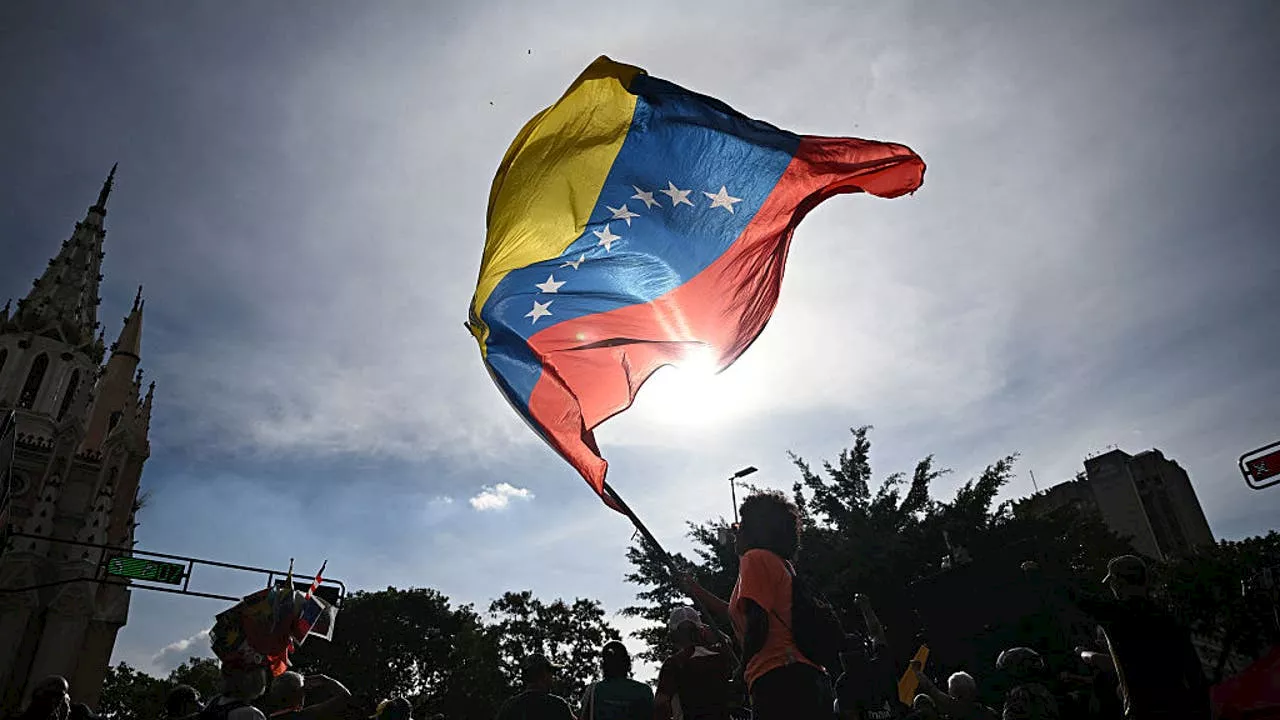
UPDATE: New polling reveals a significant divide among Americans regarding U.S. military intervention in Venezuela, particularly the potential capture of President Nicolás Maduro. Conducted over the weekend, the survey by The Washington Post and SSRS shows public opinion largely against deeper involvement, even as support from some Republicans for military action grows.
The poll indicates that approximately 4 in 10 Americans support deploying the U.S. military to capture Maduro, while an equal number oppose the action. Notably, 90% of respondents believe that the Venezuelan people should decide their future leadership. This skepticism about U.S. intervention highlights a growing wariness among citizens, especially regarding the administration’s plans for Venezuela’s political future.
Despite President Donald Trump‘s recent indications that the U.S. may engage more actively in the Western Hemisphere, public sentiment remains largely against military action. In a December 2023 Quinnipiac poll, 60% of registered voters expressed opposition to military intervention in Venezuela, with Republicans split—about half in favor and a third opposed.
Amidst these developments, Trump’s vague assertions that the U.S. might “run” Venezuela after Maduro’s ousting have raised eyebrows. Critics, including lawmakers and former officials, question the level of planning for the nation’s governance post-Maduro, citing conflicting statements from Trump and Secretary of State Marco Rubio about U.S. control over Venezuelan affairs.
In court, Maduro vehemently protested his capture, declaring, “I am innocent. I am not guilty. I am a decent man.” He faces serious allegations, including drug trafficking charges, with a 25-page indictment detailing accusations of collusion with drug cartels and violent reprisals against dissenters.
As public opinion continues to shift, the implications of these polls could influence U.S. foreign policy strategies moving forward. With a mixed response from citizens and lawmakers alike, the Biden administration faces immense pressure to clarify its stance and strategy regarding Venezuela.
Next, all eyes will be on how the administration responds to these poll outcomes and whether they will adjust their approach as tensions escalate in the region. The ongoing situation has immediate relevance for U.S. foreign relations and could shape the political landscape leading up to future elections.