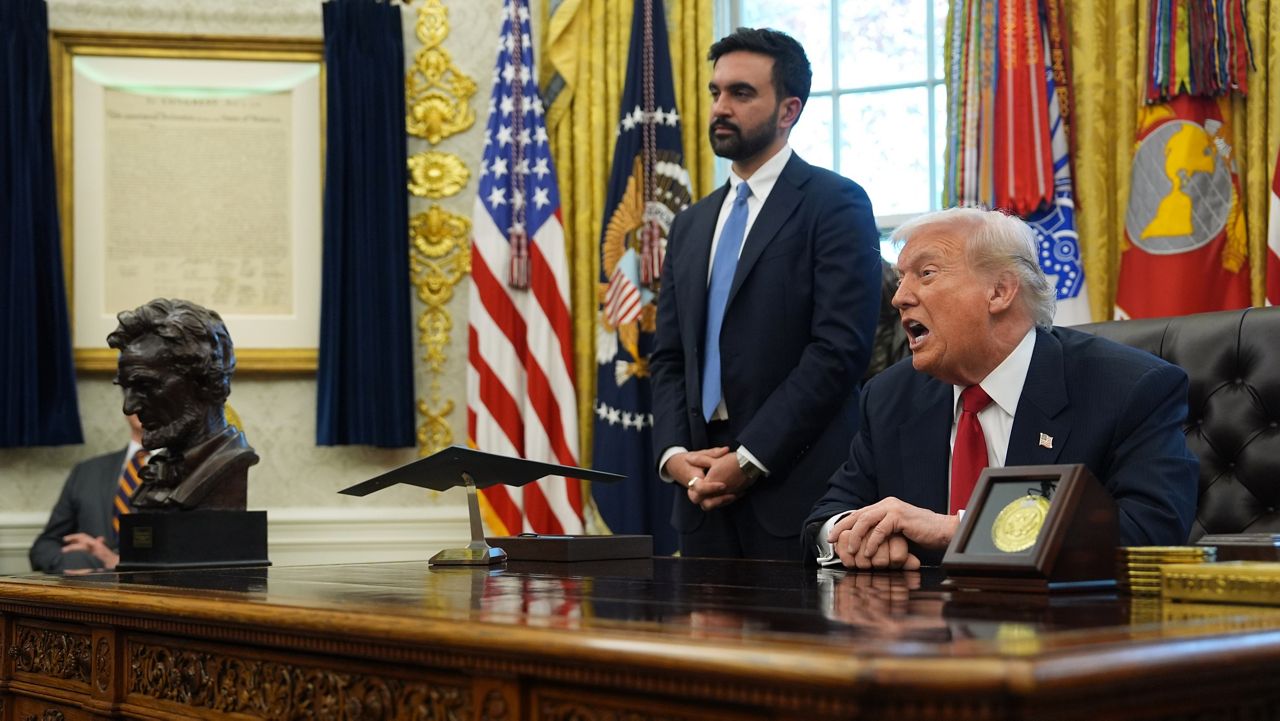
UPDATE: New reports confirm that President Donald Trump is aggressively pursuing control over Venezuela’s vast oil reserves, estimated at over 300 billion barrels. This urgent development follows Trump’s recent military operation aimed at ousting Venezuelan President Nicolás Maduro. As the situation unfolds, experts warn of dire climate implications if these reserves are exploited.
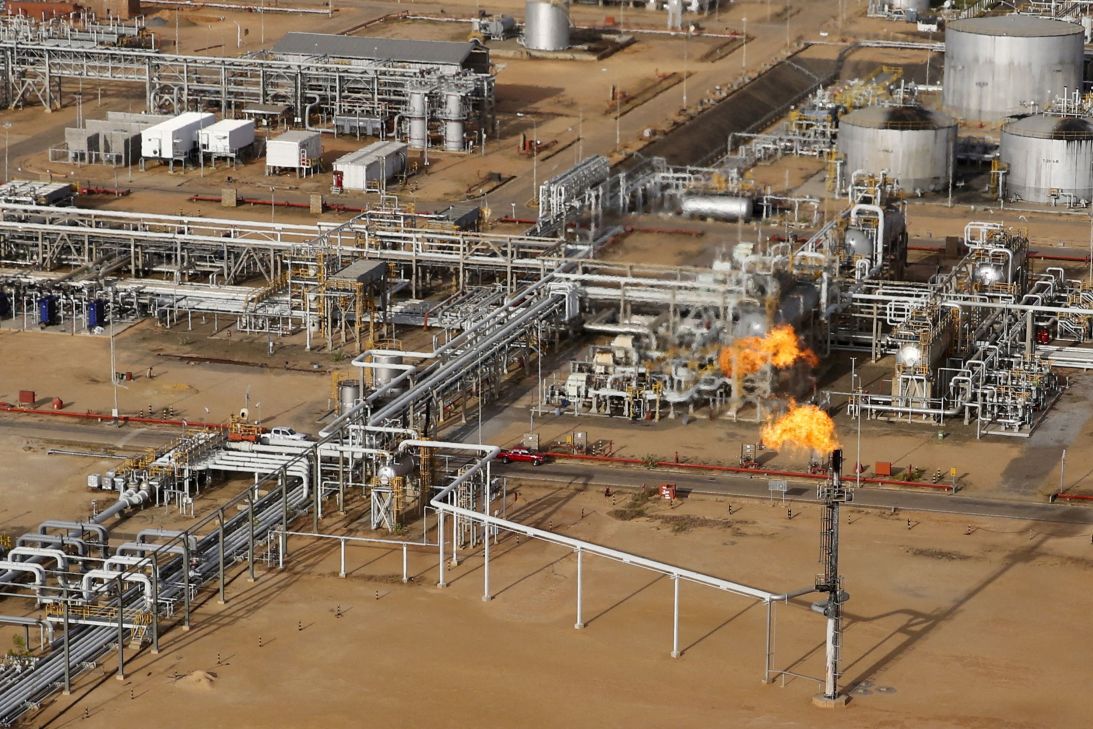
Venezuelan oil is known for its high carbon emissions and environmental risks. Experts like Guy Prince from Carbon Tracker emphasize that this oil is among the dirtiest globally, primarily due to its heavy sour crude composition. It requires intensive energy to extract, often using natural gas, which further exacerbates greenhouse gas emissions.
The extraction process is cumbersome; heavy oil must be heated to flow, demanding significant energy inputs.
“The oil does not flow from the well as a liquid. It has to be heated, usually by pumping steam into the reservoir,”
explains Lorne Stockman from Oil Change International. This method not only increases emissions but also raises the risk of methane leaks due to aging infrastructure in Venezuela.
Currently, Venezuelan oil production is less than 1 million barrels per day, a significant drop from 2 million barrels in 2016, largely due to U.S. sanctions. Experts estimate it would take over $53 billion in investments to maintain current production levels and a staggering $183 billion to restore output to its peak.
The climate pollution per barrel produced in Venezuela is already more than double the global average, according to Patrick King of Rystad Energy.
“In today’s energy market, that simply doesn’t line up with reality,”
states Prince, highlighting the economic impracticality of ramping up Venezuelan oil production amidst a low-demand environment.
Furthermore, the environmental risks are alarming. The Venezuelan Observatory of Environmental Human Rights reported 199 spills between 2016 and 2021, with estimates suggesting the actual number is much higher. The potential for increased methane emissions due to ongoing flaring practices also poses a significant threat to global climate stability.
If U.S. oil companies were to step in, there might be a chance to reduce emissions, but experts caution that the scale of necessary investments and technological upgrades may not be feasible. Diego Rivera Rivota from Columbia University warns that while increased production could occur, it might lead to higher emissions overall.
The implications extend beyond just Venezuela. The broader climate crisis could face setbacks as this focus on fossil fuels distracts from necessary clean energy transitions.
“The most significant climate impact of a Venezuelan intervention wouldn’t be releasing vast new carbon—it would be indirect,”
emphasizes Prince, pointing to the risks of reinforcing outdated resource-conflict mindsets.
As developments unfold, global leaders and climate advocates are urged to monitor the implications of U.S. involvement in Venezuela’s oil sector closely. The urgency of addressing climate change cannot be overstated, and the path forward must prioritize sustainable solutions over fossil fuel dependency.
Stay tuned for more updates as this situation develops, potentially reshaping future energy dynamics and climate efforts worldwide.