BREAKING: Egypt is actively pursuing a significant revision to its peace agreement with Israel, as confirmed by well-placed sources just hours ago. This urgent shift comes in response to Israel’s military actions in the Philadelphi Corridor, which Egypt deems a violation of the core principles established by the historic Camp David Accords of 1979.
The situation escalated following Israel’s military occupation of the Philadelphi Corridor since the onset of the Gaza conflict on October 7, 2023. Cairo views this as an illegitimate expansion of Israeli territory that ruptures the treaty’s foundational commitments to respect for sovereignty and security. With the treaty now considered obsolete by Egyptian officials, Cairo is recalibrating its approach to relations with Israel, focusing on several non-negotiable conditions.
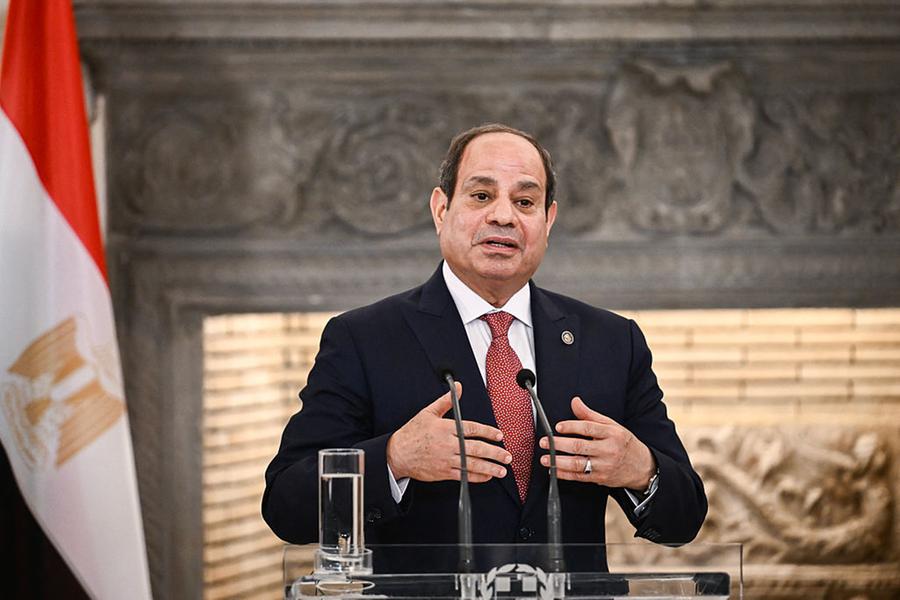
Egypt’s President Abdel Fattah el-Sisi has made it clear that the nation will not reduce its military presence in the Sinai, viewing the buildup as essential to deter any potential Israeli actions that could lead to the displacement of Gazans into Egypt. Cairo warns that any such move would be treated as a “declaration of war.”
In terms of diplomacy, Egypt is insisting on a conditional return to high-level talks. Any future summits, such as the proposed meeting between Sisi and Israeli Prime Minister Benjamin Netanyahu, will require a complete Israeli withdrawal from Gaza and a credible commitment to Palestinian self-determination. Egypt has already rejected invitations for diplomatic engagements that do not meet these prerequisites.
Moreover, security cooperation and commercial deals, including a landmark $35 billion gas agreement to export Israeli gas to Egypt until 2040, will proceed but must remain separated from political negotiations. This move is crucial, as Egypt seeks to ensure that its commercial interests are not leveraged for geopolitical concessions that undermine its national interests.
Cairo’s diplomatic stance has hardened significantly in light of recent events. The Egyptian government is withholding approval for Israel’s designated ambassador to Cairo, Ori Rotman, and has left its own ambassadorship in Tel Aviv vacant. This diplomatic chill is emblematic of Egypt’s resolve to redefine its terms of engagement with Israel, particularly following the anniversary of the peace treaty.
As Egypt recalibrates its strategy, the implications for regional stability and international relations are profound. The changes reflect Cairo’s intent to leverage its position in the ongoing conflict to gain strategic advantages, particularly concerning U.S. interests in the region.
This urgent situation is still developing, and Egypt’s next steps will be closely monitored by international observers. The global community is watching as Egypt’s new framework for relations may reshape the dynamics of Arab-Israeli relations and influence the broader geopolitical landscape.
Stay tuned for further updates.