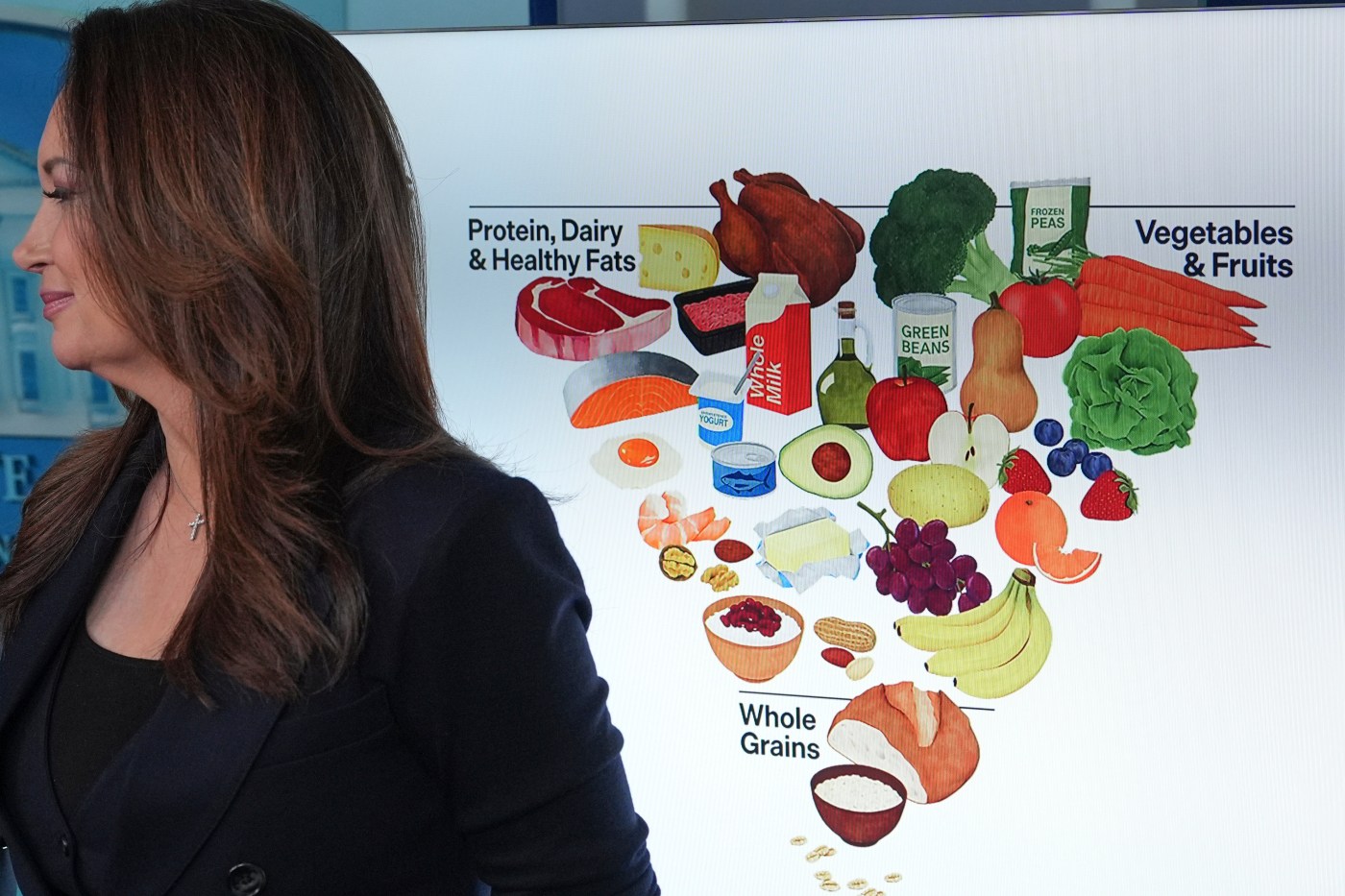
The latest dietary guidelines released by the Trump administration emphasize a shift towards whole foods and increased protein consumption while advising a reduction in processed foods and added sugars. The new recommendations, outlined in the 2025-2030 U.S. Dietary Guidelines for Americans, were unveiled on March 15, 2024, by Health Secretary Robert F. Kennedy Jr. and Agriculture Secretary Brooke Rollins.
These guidelines serve as a foundation for federal nutrition programs and policies, addressing the growing concern over diet-related health issues in the United States. Kennedy, at a White House briefing, stated, “Our message is clear: Eat real food.”
Focus on Whole Foods and Protein
The updated guidelines advocate for the consumption of fresh vegetables, whole grains, and dairy products, reinforcing long-standing nutritional advice. A new graphic showcases an inverted food pyramid, placing protein, dairy, healthy fats, and fruits and vegetables at the top, with whole grains at the base.
A notable change is the strong stance against “highly processed” foods, urging consumers to avoid packaged items that are high in sugar and salt, such as chips and cookies. This aligns with growing evidence linking ultraprocessed foods to chronic diseases, including diabetes and obesity.
Despite earlier discussions around increasing saturated fat intake, the guidelines maintain that saturated fat should not exceed 10% of daily calories. They recommend whole-food sources of saturated fat, like meat and avocados, while suggesting moderation in consumption.
Guidelines’ Impact and Expert Reactions
Historically, dietary guidelines are updated every five years, and the new recommendations come at a time when over half of U.S. adults grapple with diet-related health conditions. While the guidelines are concise at just 10 pages, the challenge remains in translating them into practical applications for programs like the National School Lunch Program, which serves about 30 million children daily.
Feedback from nutrition experts has been mixed. Dr. David Kessler, a former FDA commissioner, praised the focus on whole foods, stating, “Eating more whole foods and reducing highly processed carbohydrates is a major advance in how we approach diet and health.” Meanwhile, Dr. Bobby Mukkamala, president of the American Medical Association, noted that the guidelines affirm the connection between food and health.
However, some experts expressed concern about the emphasis on meat and dairy as primary protein sources, advocating instead for greater inclusion of plant-based proteins. Marion Nestle, a prominent nutritionist, remarked that following these guidelines may lead to increased calorie intake rather than a healthier diet overall.
The guidelines also introduce a significant increase in recommended protein consumption, suggesting 1.2 to 1.6 grams of protein per kilogram of body weight. This marks a shift from the previous recommendation of 0.8 grams per kilogram, reflecting a growing understanding of protein’s role in health.
Additionally, the guidelines advise against added sugars, stating that “no amount” is considered part of a healthy diet. They suggest limiting added sugars to no more than 10 grams per meal, which aligns with the dietary habits of most Americans who currently consume about 17 teaspoons of added sugars daily.
Another change in the guidelines is the removal of previous recommendations regarding alcohol consumption. The new guidance encourages reducing alcohol intake for better health, particularly for vulnerable populations such as pregnant women and individuals recovering from substance use disorders.
As these guidelines begin to reshape federal nutrition policy, their success will largely depend on public adherence and the effective implementation of related programs. The emphasis on whole foods and a balanced diet may encourage a shift towards healthier eating habits across the nation.