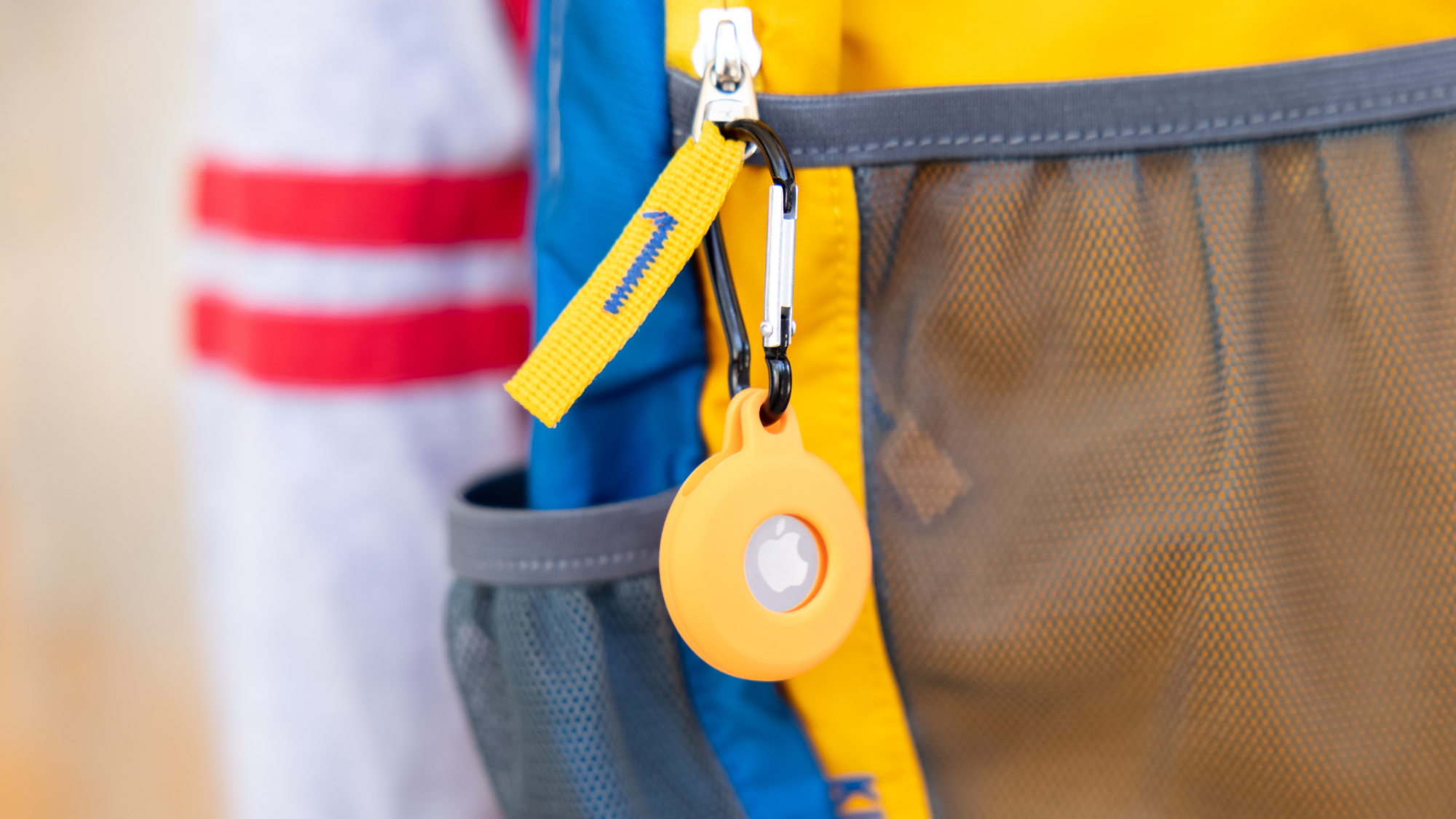
The trend of parents using technology to track their children, including devices like Apple’s AirTag and apps such as Find My Friends, has grown significantly. A recent survey conducted by Unite Students in September 2023 revealed that **67%** of parents with first-year university students monitor their child’s location through these methods. In contrast, only **17%** of parents reported contacting their children on a daily basis. The survey also indicated that **71%** of fathers track their children closely, compared to **59%** of mothers.
Many parents find comfort in tracking their children, especially during their formative years. Naomi Greenaway described how using a tracking device helped ease her anxiety when her son began traveling alone to secondary school in London. She noted that placing an AirTag in his blazer pocket made the journey less intimidating for both of them. This sentiment resonates with a number of parents who share similar experiences in various online parenting groups.
As children transition into their teenage years, parents often grapple with the decision to provide them with smartphones. Despite the myriad issues that can arise from smartphone use, Greenaway found solace in being able to monitor her daughter at nursery through a “nanny cam.” This digital connection offered her peace of mind, especially during emotionally challenging moments.
The use of tracking devices has sparked a broader discussion about the implications of parental surveillance. Esther Walker, writing for The Times, highlighted the distinction between different types of children—those who tend to wander off and those who do not. She illustrated her experience of losing her four-year-old daughter at a playground as a panic-inducing moment, prompting her to rely on AirTags for security. While she acknowledges that these devices can sometimes provide inaccurate readings, she sees them as the closest substitute for the security of a parent’s watchful eye.
Despite the perceived safety benefits, some parents like Charlotte Cripps have experienced negative consequences from constant monitoring. Cripps shared her story of feeling overwhelmed and obsessive about her children’s whereabouts, using an AirTag to track them even in public parks. She found that her efforts to stay informed led to heightened anxiety and a loss of control over her own emotions.
The rise of parental tracking has prompted a coalition of doctors, psychologists, and health professionals to advocate for a reassessment of these practices. Organized by Generation Focus, a campaign aiming to promote smartphone-free environments in schools, this group argues that excessive surveillance may contribute to anxiety in children and hinder their development of independence. They urge parents to reconsider whether the current trend of “surveillance childhood” is genuinely beneficial for their children.
The concept of “helicopter parenting,” characterized by excessive monitoring and control over children’s lives, has also come under scrutiny. Zing Tsjeng, writing in The i Paper, points out that while safety concerns are valid, parents must reflect on the implications of their actions. At what age should trust be established? When do parents allow their children the freedom to navigate the world independently? The questions raised highlight a growing concern about the balance between safety and autonomy.
As technology continues to evolve, the debate on parental tracking is likely to persist. Parents must weigh the emotional benefits of monitoring their children against the potential psychological impacts on their development. Ultimately, the decision to track one’s child may not be as straightforward as it seems, requiring careful consideration of both safety and the cultivation of independence.