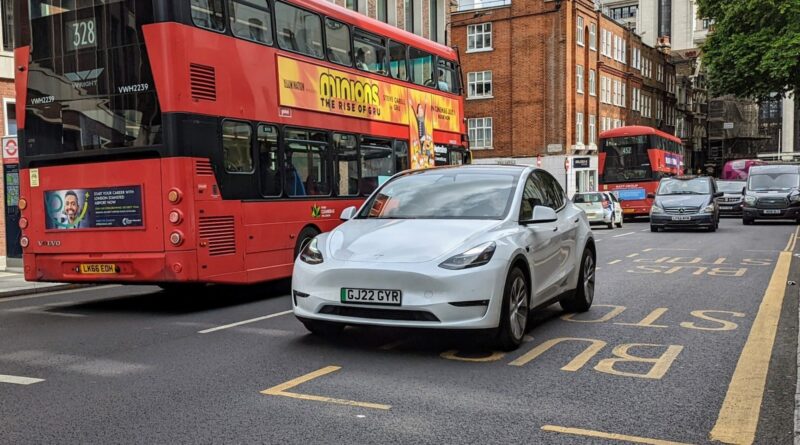
Sales of Tesla vehicles in the United Kingdom experienced a significant decline in 2025, marking a notable shift in the electric vehicle (EV) market. According to recent reports, Tesla sales dropped by 10%, falling from 50,334 units in 2024 to 45,513 units. This downturn occurred during a period when the overall UK EV market saw remarkable growth of 24%. In stark contrast, BYD, a rising competitor in the EV sector, reported a dramatic increase in sales, surging from 8,788 vehicles in 2024 to an impressive 51,422 in 2025.
The contrasting performances underscore a shift in consumer preferences and market dynamics. While Tesla has been a dominant player in the EV market, the latest statistics suggest that the company is facing stiff competition from BYD, which has successfully established its sales network and continues to introduce new models.
Market Dynamics and Consumer Preferences
The surge in BYD’s sales and the concurrent decline in Tesla’s numbers raises questions about the future trajectory of both companies. The lack of a new model or significant refresh for the Model Y in 2025 further complicates Tesla’s position in the market. Analysts are now speculating on whether Tesla will continue to see declining sales or if it can revive interest through advancements like its Full Self Driving (FSD) technology.
BYD’s approach has been characterized by a blend of traditional growth strategies and innovative advancements in EV technology. This strategy has allowed BYD to capture a substantial share of the market, appealing to consumers seeking new and exciting options in the rapidly evolving EV landscape.
Looking Ahead: The Future for Tesla and BYD
As the automotive industry evolves, consumer preferences are shifting. Many buyers are now looking beyond Tesla, attracted to the newer models and features offered by competitors like BYD. The question remains whether Tesla can recover from this downturn or if it will continue to lose ground in the competitive UK market.
The ongoing developments in the EV sector signify a broader trend towards diversification, with various manufacturers vying for market share. As we approach 2026, industry observers are keen to see how Tesla responds to these challenges and whether it can reclaim its status as a market leader.
In summary, Tesla’s decline in the UK market amidst BYD’s rise illustrates the changing dynamics of the electric vehicle sector. The future remains uncertain, and many are anticipating a detailed analysis of the UK EV market in 2025 from Max Holland, which is expected to provide further insights into these trends.