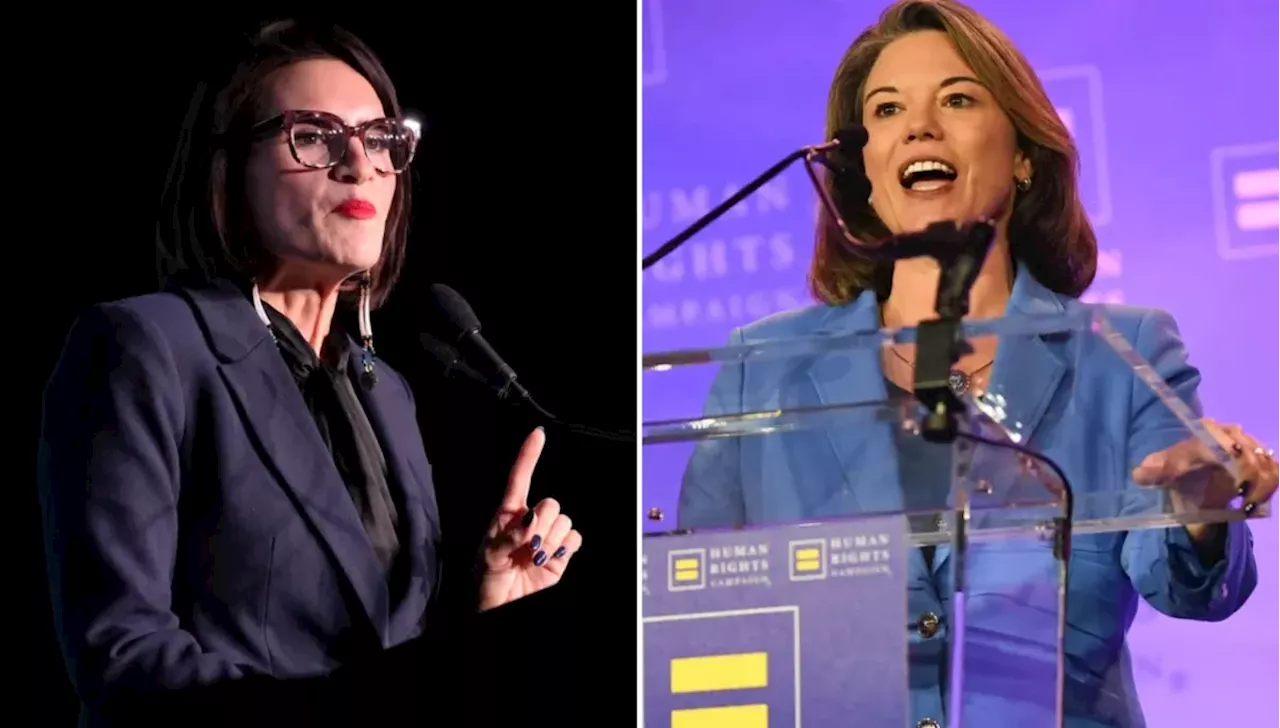
The political landscape in Minnesota is shifting as the Republican Party identifies an opportunity to challenge Democratic incumbents in the upcoming Senate elections, following a significant fraud scandal. Allegations have surfaced that various nonprofit organizations and supposed child care centers misappropriated billions from state and federal funds. This situation places both Democratic candidates, Lt. Gov. Peggy Flanagan and Rep. Angie Craig, under scrutiny as they campaign for the Senate seat currently held by retiring Sen. Tina Smith.
Recent polling conducted by the National Republican Senatorial Committee reveals that 55% of likely voters believe the administration led by Tim Walz and Flanagan is responsible for the misuse of funds. Additionally, 69% of respondents expressed doubts about Craig’s commitment to addressing the potential misuse of taxpayer money. Although the survey was designed to favor Republican perspectives, it highlights the growing concern among voters regarding the scandal’s implications for the Democratic candidates.
The fraud allegations have not only created a political flashpoint but are also expected to influence the primary and general elections. Voters expressing concern over the scandal, particularly regarding the diversion of funds intended for vulnerable populations, could sway support towards Republican candidates. The poll indicated that 50% of participants would likely back a GOP Senate candidate promising enhanced oversight and audits.
Nick Puglia, regional press secretary for the NRSC, emphasized the potential impact of the situation, stating, “The seriously retired Governor Tim Walz and Minnesota Democrats like Peggy Flanagan and Angie Craig oversaw massive fraud that has hurt Minnesotans, and their failed leadership puts Minnesota in play for Republicans in 2026.”
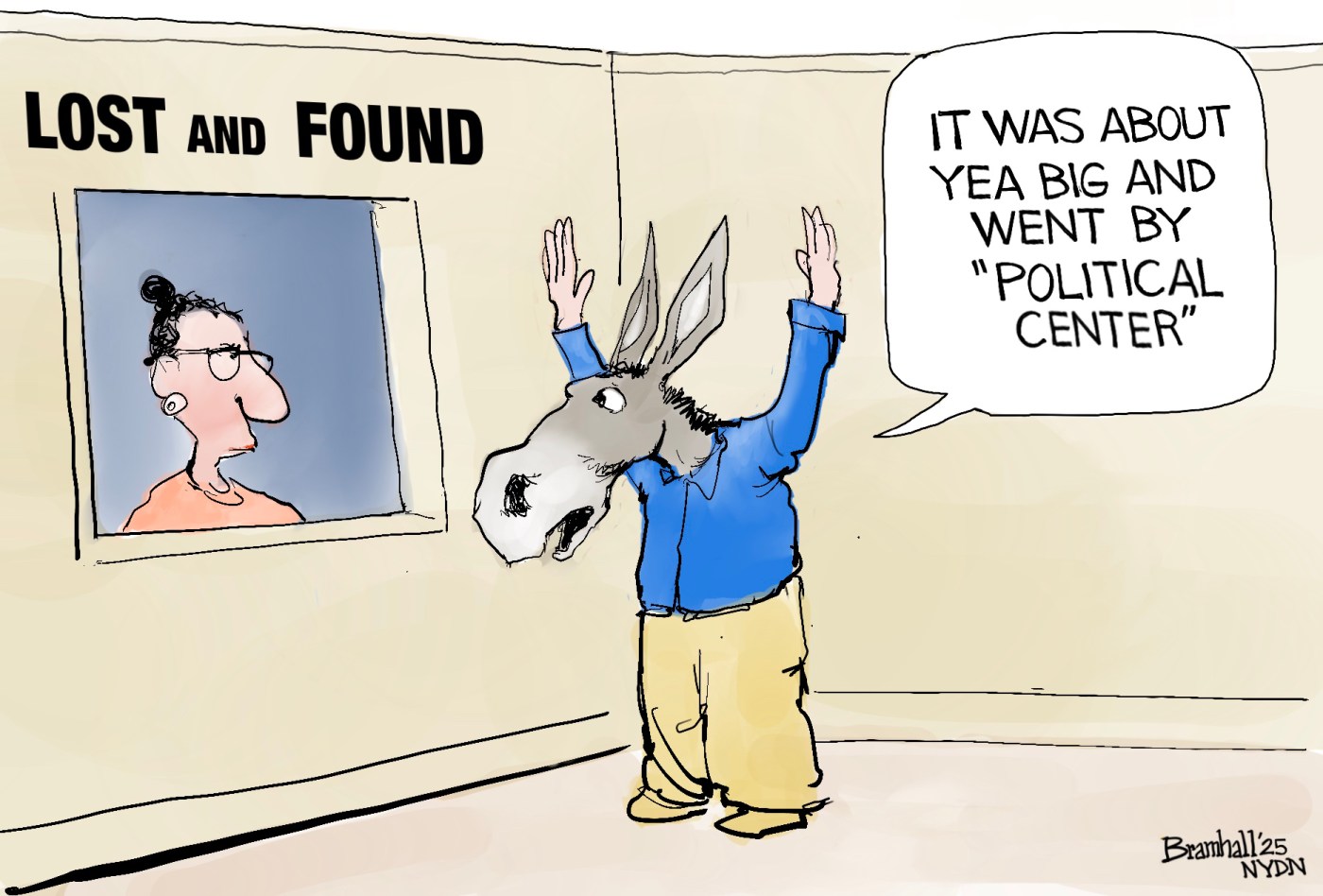
Both Flanagan and Craig are vying for the Democratic nomination, yet they represent differing factions within the party. Craig, who is the top Democrat on the House Agriculture Committee, aligns more with centrist views, while Flanagan appeals to the progressive base. This ideological divide could play a crucial role as the primary unfolds.
Flanagan’s campaign has pushed back against criticisms, asserting that Craig is diverting attention from her record by adopting Republican attack lines. A spokesperson for Flanagan stated that Walz has consistently accepted accountability for the administration’s actions, adding that voters trust his leadership.
As the scandal unfolds, the Department of Justice has reported charging nearly 100 defendants in connection with fraud cases in Minnesota, achieving 64 convictions to date. The ongoing investigations could further complicate the political landscape as both parties prepare for the elections.
On the Republican side, the primary is shaping up to be competitive, with multiple candidates emerging, including former NBA player Royce White, Navy SEAL Adam Schwarze, and retired Navy officer Tom Weiler. Additionally, Michele Tafoya, a former NFL reporter turned political activist, is considering a run.
As the situation develops, the implications of the fraud scandal are likely to resonate throughout Minnesota’s political arena. With the Democratic Party historically strong in the state, the GOP’s renewed focus on accountability and oversight may pose a serious challenge to their dominance. The upcoming elections will test the resilience of both parties as they navigate the fallout from this significant issue.