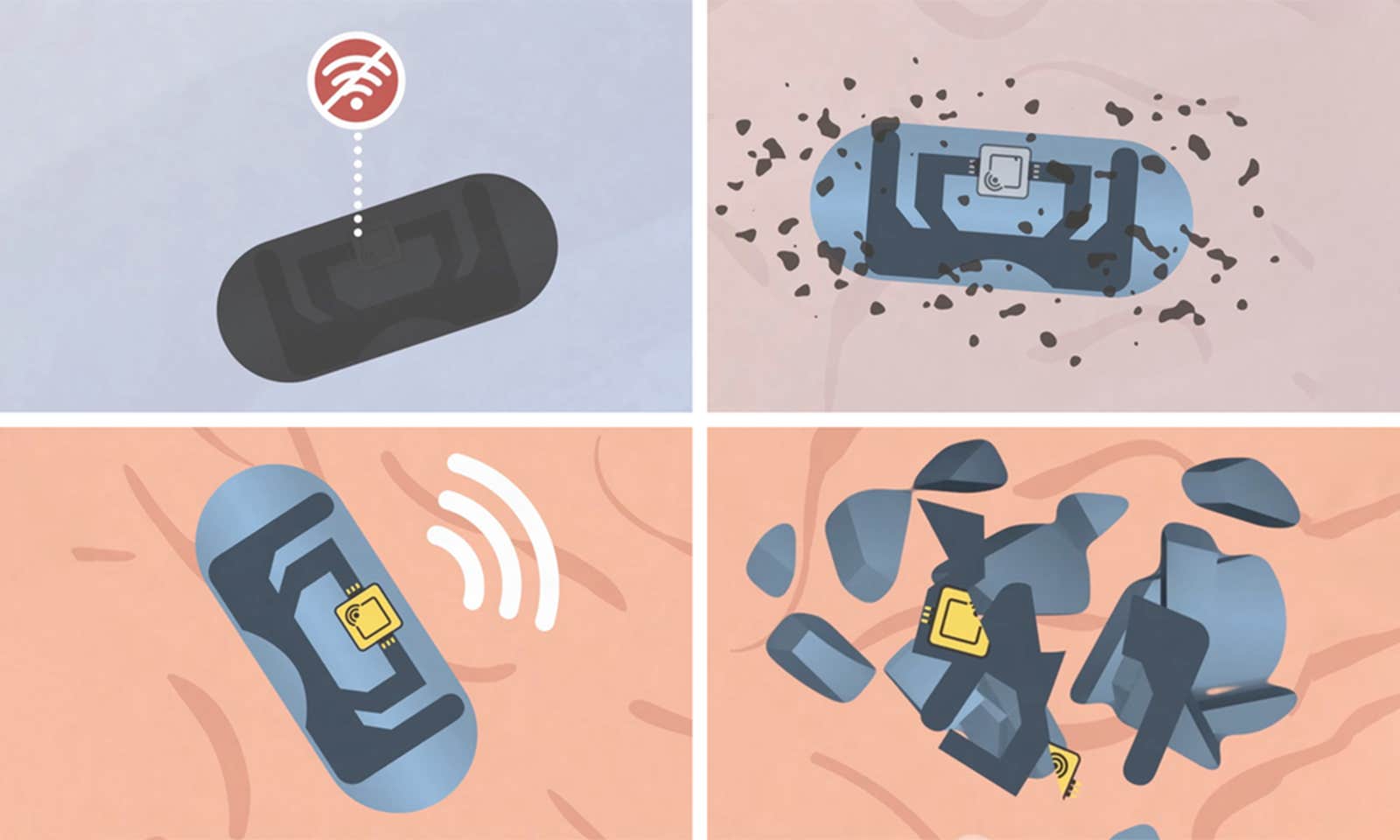
A groundbreaking development in medication adherence has emerged with the introduction of biodegradable pills that can communicate directly with healthcare providers. This innovative system, detailed in a recent study published in Nature Communications, aims to address the alarming issue of medication non-adherence, which contributes to approximately 125,000 preventable deaths annually in the United States alone.
The new system features a tiny radio frequency antenna embedded within pills. This technology could be particularly beneficial for patients requiring strict medication regimens, such as those with chronic conditions including HIV or individuals recovering from organ transplants. According to study co-author Giovanni Traverso, a physician and engineer at the Massachusetts Institute of Technology (MIT), the goal is to ensure that patients receive the necessary therapies to optimize their health outcomes.
Innovative Design and Functionality
Current statistics indicate that nearly half of all individuals with chronic conditions do not adhere to their prescribed medication schedules. The implications of missed doses can be severe; for instance, HIV can progress to AIDS more rapidly if medications are not taken consistently. The new biodegradable pills are designed to dissolve in the stomach within a week, significantly reducing the risk of gastrointestinal injuries and minimizing electronic waste.
The innovative design comprises a micrometer-sized radio frequency chip encased in a cellulose particle, while the capsule itself is made from gelatin coated with cellulose. This combination of materials is not only eco-friendly but also safe for medical use. The capsule is further coated with safe levels of molybdenum or tungsten, which block radio frequency signals until the pill begins to break down.
During preliminary experiments conducted on pigs—whose gastrointestinal tracts are comparable in size to those of humans—the radio frequency signal was successfully transmitted from within the stomach to a receiver located up to two feet away. The results demonstrated that the devices dissolved as intended, highlighting the system’s potential for improving patient adherence tracking without imposing significant logistical burdens or environmental impact.
Future Applications and Research Directions
Looking ahead, the research team envisions developing a wearable device that can receive information from the pills and relay it to healthcare providers. This system is not intended for mass distribution; instead, it will be targeted toward patients whose health relies heavily on maintaining consistent medication regimens. As Traverso emphasized, “We want to prioritize medications that, when non-adherence is present, could have a really detrimental effect for the individual.”
The researchers plan to conduct further studies before initiating human trials to refine the technology. This innovative approach could revolutionize medication adherence, ultimately improving health outcomes for countless individuals who struggle to maintain their prescribed treatments.