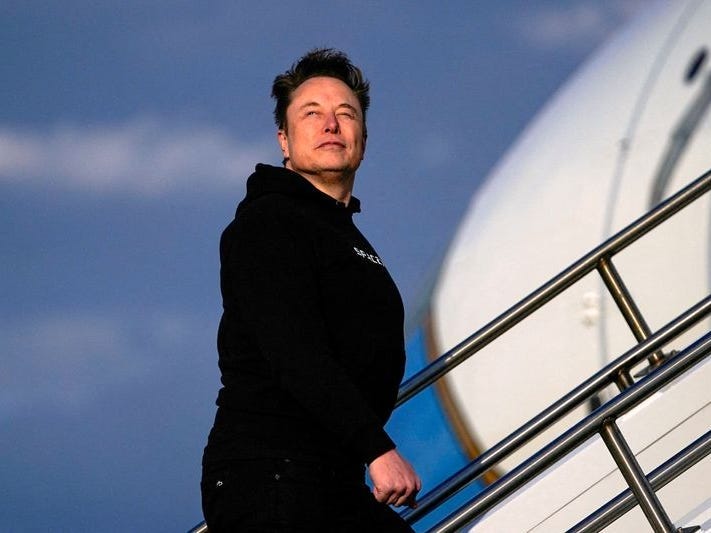
Elon Musk has revealed that he recently underwent an MRI scan and submitted the results to his company’s AI chatbot, Grok. During an interview with podcaster Peter Diamandis, Musk stated that both his doctors and Grok found no issues with the results, highlighting a growing trend of individuals utilizing artificial intelligence to supplement their healthcare decisions.
Musk’s comments came during a discussion on “Moonshots,” a podcast hosted by Diamandis. The xAI CEO emphasized the importance of AI in the realm of health diagnostics, stating, “I did an MRI recently and submitted it to Grok. None of the doctors nor Grok found anything.” While the specific reason for his MRI remains undisclosed, Musk’s conversation sheds light on the increasing reliance on AI technologies among tech leaders in Silicon Valley.
AI in Health Diagnostics
The use of AI in healthcare is a topic of significant interest, particularly among high-profile figures in the technology sector. Musk’s endorsement of Grok aligns with broader efforts in Silicon Valley, where tech billionaires such as Sam Altman and Peter Thiel are investing heavily in research aimed at combating aging and extending human lifespan. In a statement made earlier this year, Dario Amodei, CEO of Anthropic, claimed that AI could potentially double life expectancy by 2030.
Musk has actively encouraged people to share their medical results with Grok, citing a recent case where a Norwegian man credited the chatbot for prompting him to seek further medical attention. According to Musk, the chatbot advised the individual to return to the hospital for a CT scan, which ultimately confirmed that doctors had overlooked a critical issue with his appendix. “Try it!” Musk posted on X, referencing the positive outcome experienced by the user.
Perspectives on Longevity and Aging
During his conversation with Diamandis, Musk shared his views on the concept of immortality, suggesting that it could be more of a curse than a blessing. “True immortality or close to it would be one of the worst curses you could possibly give anyone,” he said. Nevertheless, Musk expressed optimism about the prospects of extending human life, stating, “I’ve long thought that longevity or semi-mortality is an extremely solvable problem.”
Diamandis proposed a collaboration between Musk and Fountain Life, a longevity-focused company he co-founded alongside Tony Robbins and William Kapp. Fountain Life offers AI-guided diagnostics that assess various health biomarkers. Kapp previously stated that the primary goal of their medical approach is to “don’t die of anything stupid.”
The company utilizes extensive data collection, which includes a “200 gigabyte upload of you,” encompassing everything from full genomic information to various imaging results. This proactive approach aims to prevent conditions similar to those faced by Steve Jobs, who regretted delaying medical intervention for his pancreatic cancer.
Musk’s insights and experiences highlight the evolving landscape of healthcare, where AI tools are increasingly viewed as valuable resources in medical decision-making. As technology continues to advance, the intersection of artificial intelligence and health may redefine how individuals approach their well-being and longevity.