Venezuela has released several high-profile opposition figures, activists, and journalists in a significant move that the government described as a gesture to promote peace. This development occurred just days after the capture of former President Nicolás Maduro by U.S. forces on drug-trafficking charges. U.S. President Donald Trump stated that the releases were made at the request of the United States, emphasizing the cooperation between the two nations regarding Venezuela’s political landscape.
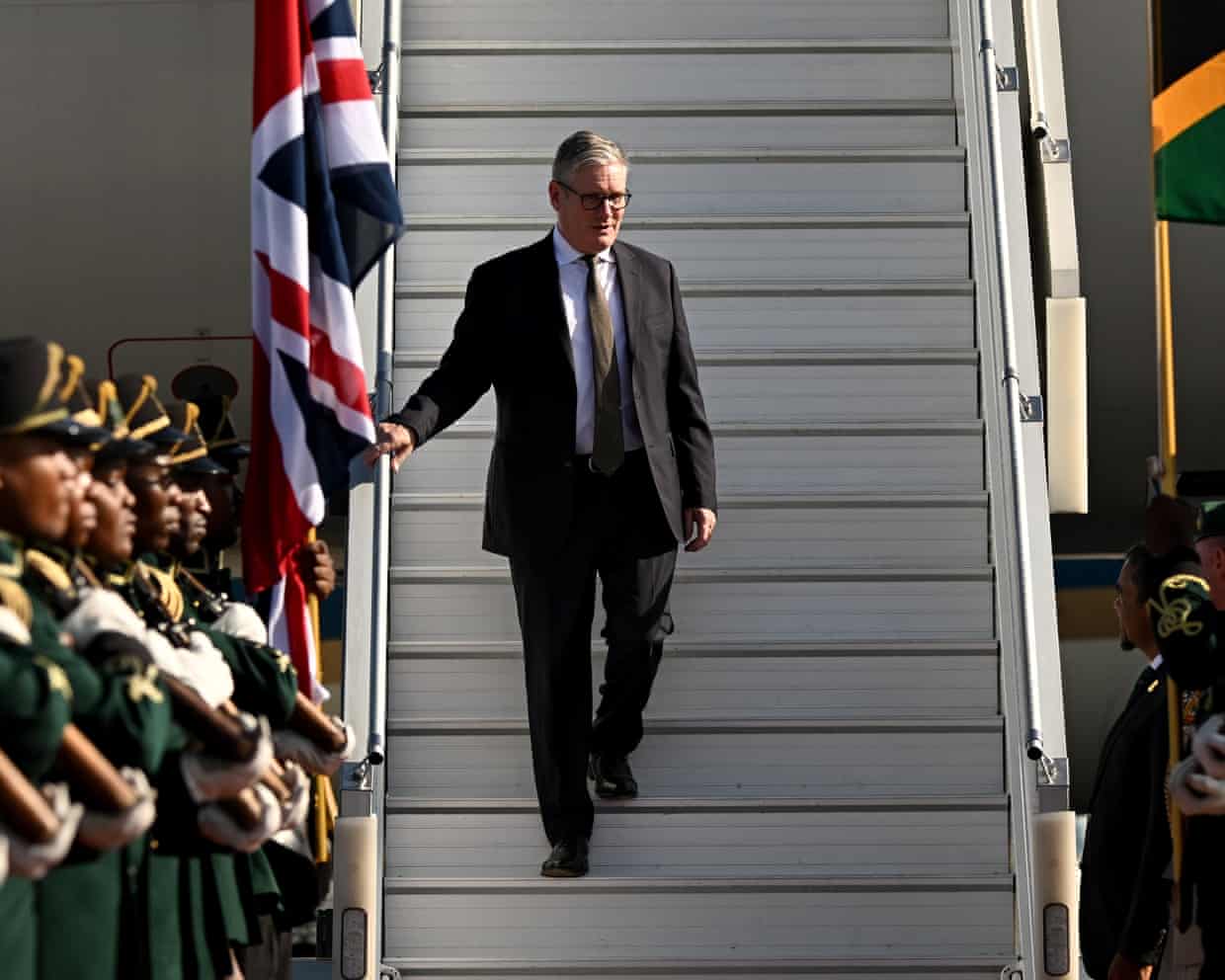
During an interview on Fox News, Trump praised the actions of acting President Delcy Rodríguez, stating, “They’ve been great… Everything we’ve wanted, they’ve given us.” The Venezuelan government confirmed that a “significant number” of individuals would be released, although details about the exact number and identities of those freed were still emerging as of late Thursday evening.
Human rights organizations and members of Venezuela’s opposition have long called for the release of imprisoned politicians and critics. The Venezuelan government, however, has consistently maintained that it does not hold political prisoners.
Notable Releases and Reactions
Among those released was Biagio Pilieri, an opposition leader involved in Nobel Peace Prize winner María Corina Machado‘s 2024 presidential campaign. Also freed was Enrique Márquez, a former electoral authority and candidate for the upcoming presidential election. Videos shared on social media captured the emotional reunions of these figures with their families, showcasing their relief and joy. One video featured Márquez excitedly video-calling his family, expressing optimism about reuniting soon.
In addition to Venezuelan nationals, five Spanish citizens, including prominent lawyer and human rights activist Rocío San Miguel, were also released. The Spanish government confirmed their return, with Foreign Minister José Manuel Albares identifying the other released individuals as Andrés Martínez, José María Basoa, Ernesto Gorbe, and Miguel Moreno. Reports indicated that Martínez and Basoa had been accused of espionage, charges that Spain has vigorously denied.
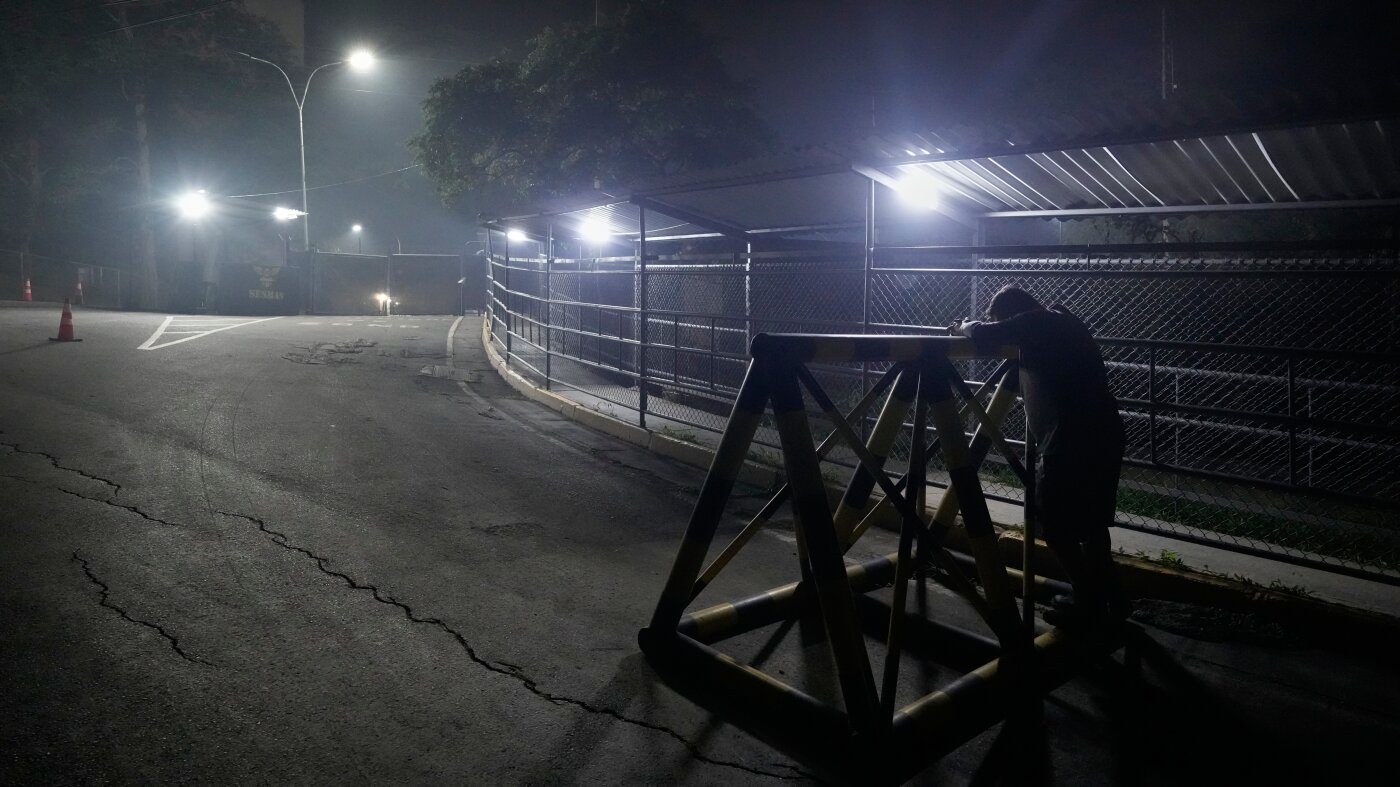
Families of detainees gathered outside prisons across the nation, anxiously awaiting news of their loved ones. Pedro Durán, 60, traveled from Spain to find his brother, Franklin, who had been detained since 2021 on accusations of attempting to overthrow Maduro’s government. “I don’t have words to express the emotion I’m feeling,” Durán remarked, reflecting the hope and fear pervading the atmosphere.
Political Implications and Future Prospects
The releases coincide with a history of the Venezuelan government taking similar actions during politically charged moments, often viewed as a strategy to signal openness to dialogue. This instance marks the first significant release since Maduro was deposed. Observers are cautiously optimistic about whether this indicates a genuine shift in government policy or merely a temporary gesture aimed at appeasing international pressure.
Alfredo Romero, president of the advocacy group Foro Penal, expressed hope that this could signal the beginning of dismantling the repressive system in Venezuela. In a statement, he noted the importance of monitoring future releases to see if they follow a pattern of genuine reform or if they represent a façade.
The political landscape remains complicated, particularly as the Trump administration has consistently exerted pressure on Maduro’s allies while allowing them to maintain power. Additionally, the recent actions by Trump, including seizing sanctioned tankers and planning to relax certain sanctions, suggest a broader strategy to control Venezuela’s oil resources and influence the country’s future.
As the situation unfolds, the international community will be watching closely to determine the implications of these releases for both Venezuelan politics and U.S.-Venezuelan relations. The ongoing developments may reshape the dynamics of power within the country and influence the prospects for a return to stability in the oil-rich nation.