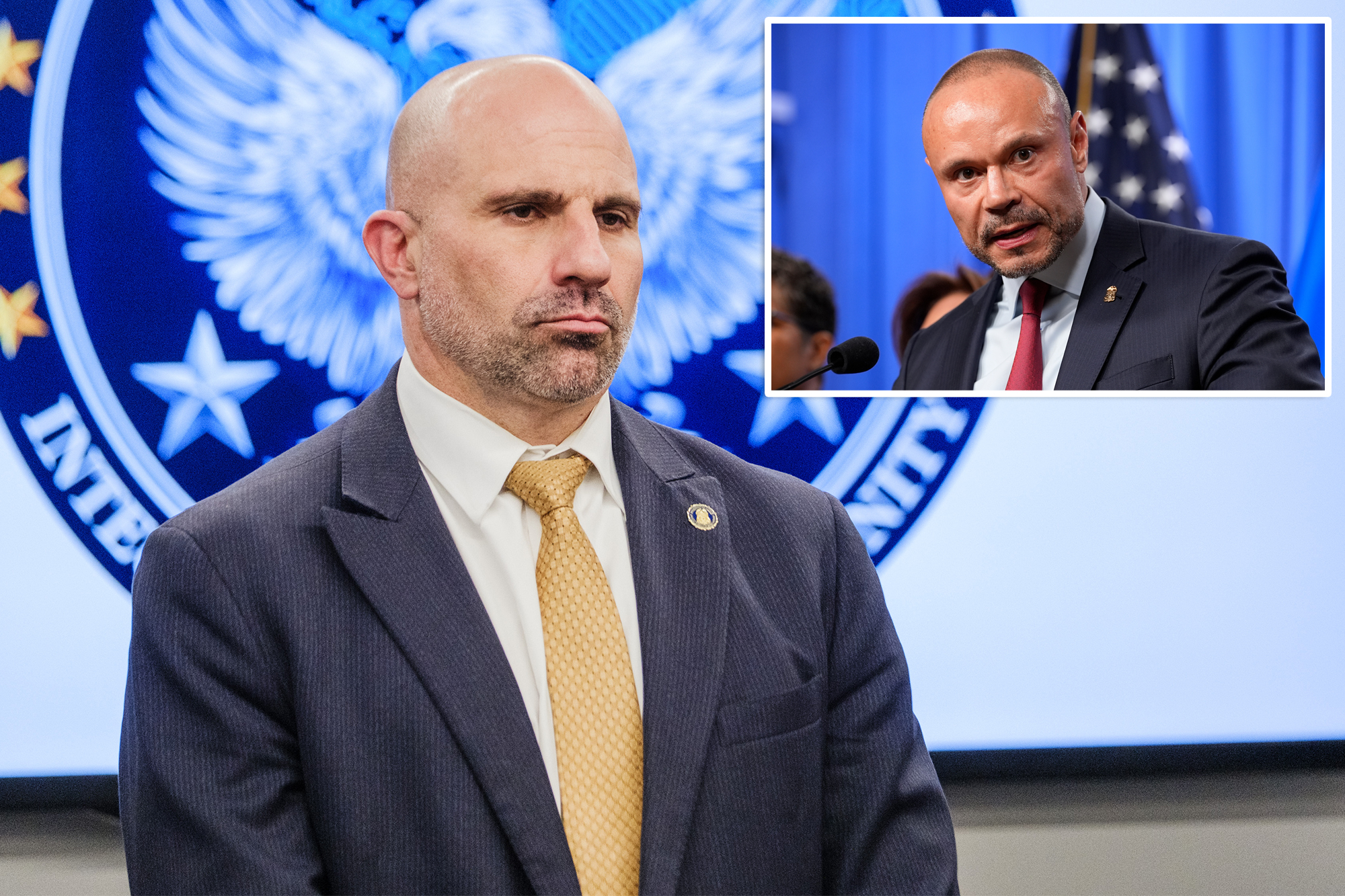
Christopher Raia, the head of the FBI’s New York field office, has been appointed as the new deputy director of the bureau. This announcement was made by an FBI spokesperson on Friday. Raia is a seasoned career agent who has accepted the role, which places him at the helm of the FBI’s second-highest position. He will report to Washington, DC, on Monday to begin his new responsibilities.
As deputy director, Raia will assist FBI Director Kash Patel and Co-Deputy Director Andrew Bailey in managing the bureau’s workforce of over 30,000 employees. His appointment ensures the continuation of the current three-person leadership structure, which was established amid internal challenges related to the investigation of convicted sex offender Jeffrey Epstein.
Raia has been with the FBI since 2003 and previously served as the bureau’s top counterterrorism official before his role in New York. The FBI has not announced who will take over Raia’s position in the New York office. His predecessor, James Dennehy, was compelled to retire in March as part of significant changes implemented by the Trump administration.
The transition comes after Dan Bongino announced in December his decision to step down from the deputy director role, effective January. In his statement posted on social media platform X, Bongino expressed gratitude to President Trump, Attorney General Pam Bondi, and Director Patel for the opportunity to serve. He emphasized his appreciation for the public, stating, “Most importantly, I want to thank you, my fellow Americans, for the privilege to serve you.”
Following Bongino’s announcement, President Trump commented on his tenure, stating, “Dan did a great job. I think he wants to go back to his show.” This reflects Bongino’s prior career in media, which may be drawing him back after his brief stint at the FBI.
The appointment of Christopher Raia is seen as a pivotal moment for the FBI, particularly in maintaining stability and continuity within its leadership during a time of significant scrutiny and operational challenges. His extensive experience in various roles within the bureau positions him well to navigate the complexities faced by the organization in the current political climate.