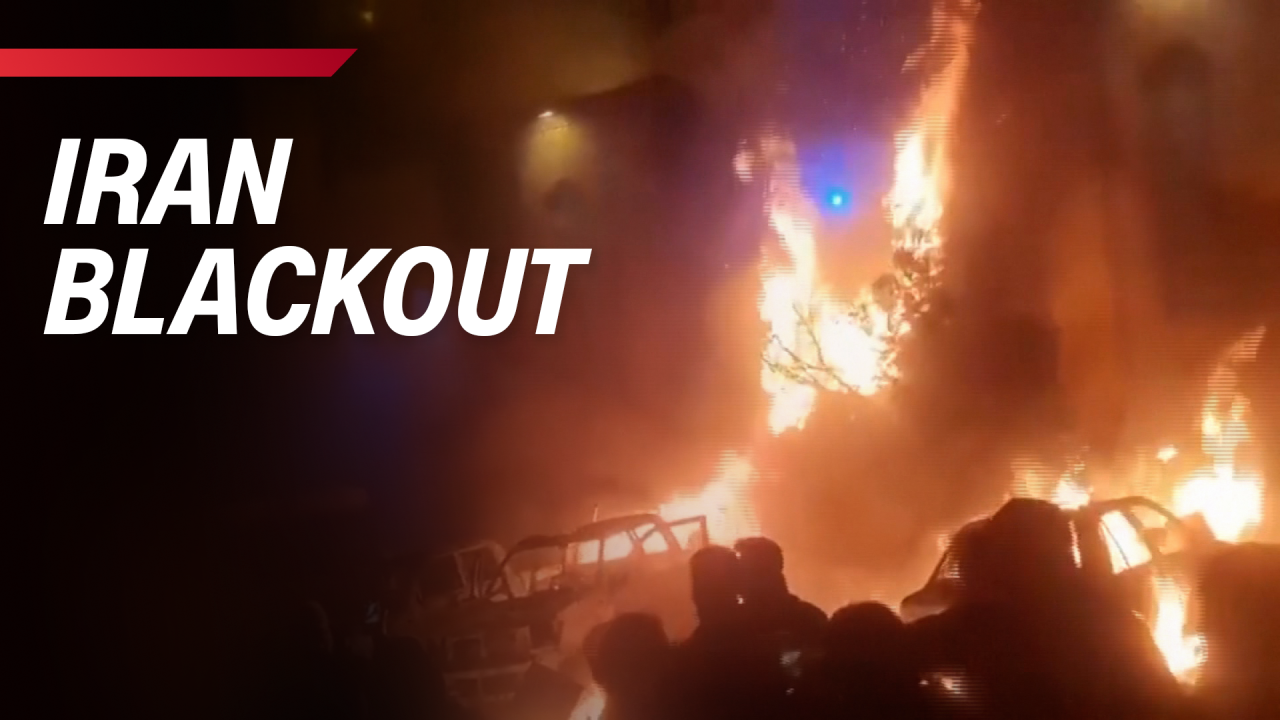
Iran is experiencing a significant internet blackout as anti-government protests continue to spread across the country for a second consecutive day. The blackout, implemented by authorities, has limited communication and access to information for many Iranians, coinciding with over ten days of escalating demonstrations against the government.
Call for a Nationwide Strike
Reza Pahlavi, the son of Iran’s last monarch who was ousted during the 1979 Islamic Revolution, has called for a two-day nationwide strike. In a video address shared on X, Pahlavi urged workers in critical sectors such as transportation, oil and gas, and energy to participate in the strike, beginning Saturday, December 30, 2023, which marks the start of the working week in Iran.
“I also ask all of you… to come into the streets with flags, images, and national symbols and to reclaim public spaces as your own,” Pahlavi stated. He emphasized the importance of organizing to seize control of city centers, claiming that Friday’s protests had sent a powerful message to Iranian leaders.
The impact of Pahlavi’s appeal remains uncertain, as his popularity within Iran is not clearly defined. He was only 16 years old when his father’s reign ended, and he has since lived in exile.
Internet Blackout Enforced During Protests
The internet disruptions, now surpassing 36 hours, have been confirmed by the monitoring organization NetBlocks. The blackout began on Thursday, December 28, following mass protests in the capital city of Tehran. According to NetBlocks, “It’s now 8:00 am in #Iran where the sun is rising after another night of protests met with repression; metrics show the nationwide internet blackout remains in place at 36 hours, severely limiting Iranians’ ability to check on the safety of friends and loved ones.”
The protests that led to this situation initially began on December 28, arising from widespread frustration over rising inflation and discontent with Iran’s conservative leadership and its violent security measures. Demonstrators have voiced their grievances against the government, demanding significant reforms and accountability.
As the situation continues to evolve, the international community is closely monitoring Iran’s response to the ongoing unrest and the effects of the internet blackout on civil society and protest activities.