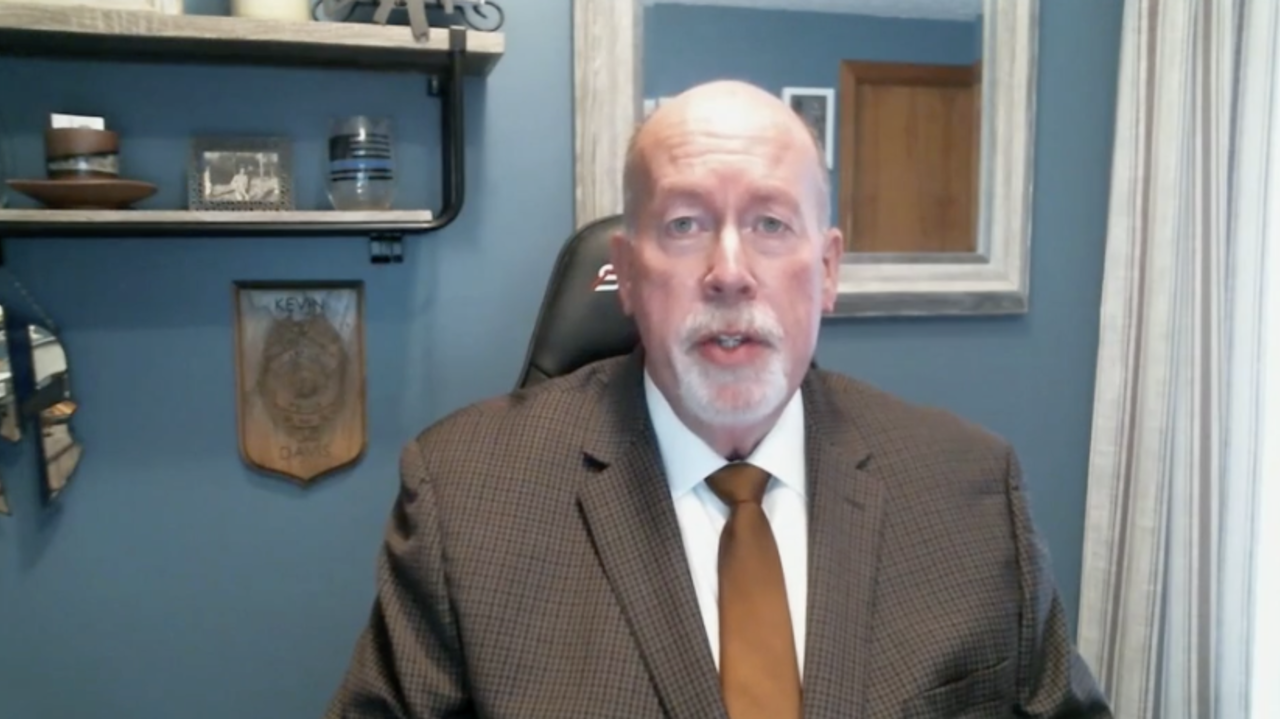
The assessment of deadly force cases requires a meticulous approach that balances various elements, according to former police officer and expert witness Kevin Davis. In a recent discussion on the Smerconish show, Davis outlined how investigators evaluate such cases by analyzing video footage, physical evidence, commands issued during the incident, and the critical split-second decisions made by officers.
Understanding the factors that influence the use of deadly force is essential for law enforcement and legal professionals. Davis emphasized that investigators must consider the context of each incident. Every situation is unique, and the decisions made by officers can often be scrutinized from multiple perspectives.
Key Elements in Evaluating Deadly Force Cases
Davis highlighted several critical components in the evaluation of deadly force incidents. The first is video evidence, which can provide a comprehensive view of the events leading to the use of force. This footage often plays a pivotal role in understanding the actions of both the police officers and the individuals involved.
Additionally, physical evidence collected from the scene is crucial. This includes not only weapons but also any materials that can help reconstruct the events. For investigators, piecing together the physical evidence can clarify the series of actions that led to the incident.
The commands given by officers during the confrontation are equally important. Davis pointed out that the clarity and appropriateness of these commands can influence the outcome of the situation. Investigators often assess whether officers effectively communicated their intentions and whether those commands were followed.
Another significant factor is the split-second decision-making that officers must engage in during high-pressure situations. Davis explained that police officers frequently operate under immense stress and must make rapid decisions based on limited information. This aspect of their decision-making process is critical for investigators to understand, as it shapes the actions taken in the field.
The Role of Training and Policy
Training and departmental policies also play a vital role in shaping how officers respond to potential threats. According to Davis, effective training can help officers make better decisions in tense situations. Departments are increasingly recognizing the importance of providing comprehensive training that covers not only tactical skills but also communication and de-escalation techniques.
The policies governing the use of deadly force are also fundamental. These policies dictate the circumstances under which officers are authorized to use lethal force and emphasize the importance of using the minimum amount of force necessary. Investigators often examine whether the actions taken by officers align with their department’s policies.
Davis’s insights underscore the complexity of deadly force cases and the need for thorough investigations. Each incident is layered with details that require careful consideration. As communities continue to seek transparency and accountability in law enforcement, understanding the factors that influence deadly force incidents will remain a critical area of focus.
The dialogue surrounding the use of deadly force and policing practices is ongoing. Experts like Kevin Davis provide valuable perspectives that help illuminate the intricacies involved in these challenging cases. By fostering a comprehensive understanding of the evaluation process, stakeholders can work towards better outcomes for all parties involved.