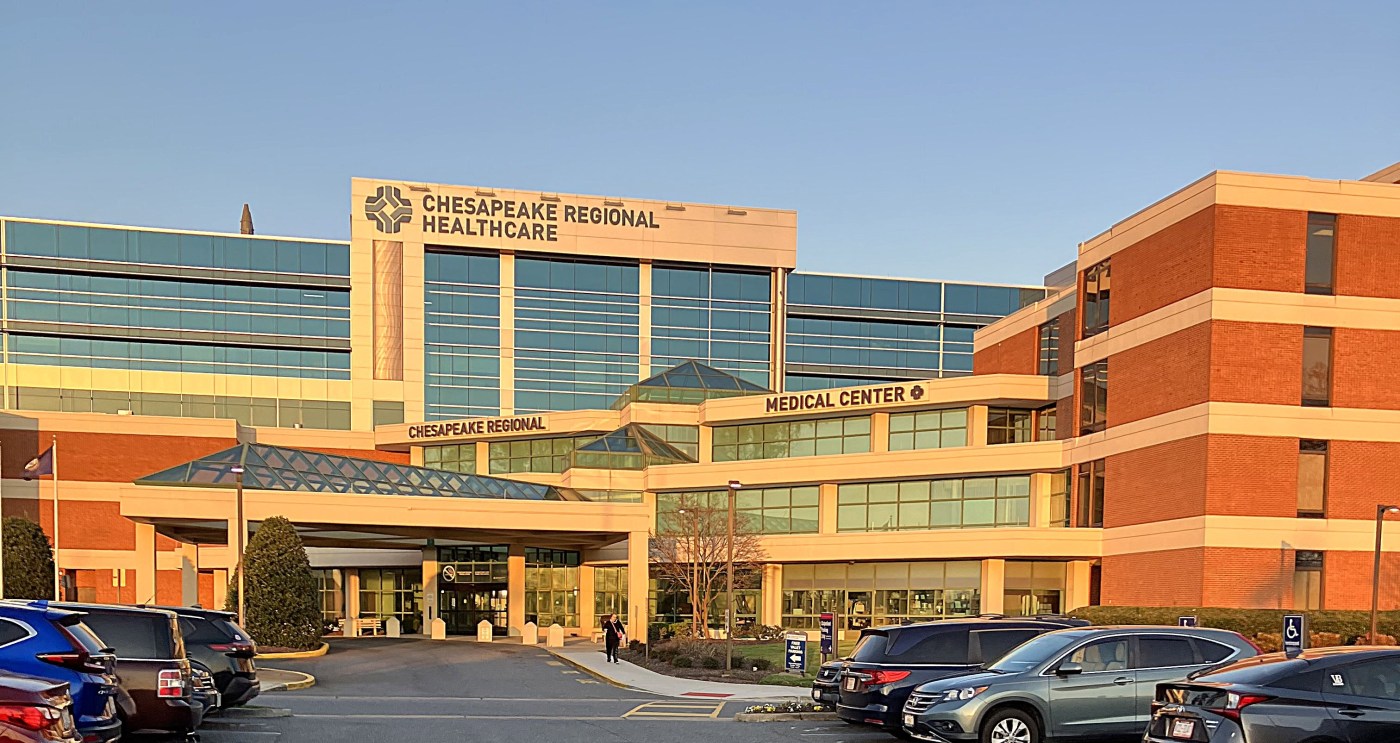
More than 600 women have initiated a lawsuit against Chesapeake Regional Medical Center (CRMC) and its senior executives, alleging that they allowed Dr. Javaid Perwaiz, an obstetrician and gynecologist, to perform unnecessary surgeries. This legal action stems from claims that these procedures, many resulting in permanent sterilization, were executed without medical justification, severely impacting the lives of the patients involved.
The lawsuit includes a staggering 94 women who joined the action on Thursday, adding to a collective of over 510 plaintiffs already seeking justice. One of the new claimants, Kimberly Riddick, 35, recounted her experience, stating that she was misled by Perwaiz for nearly three years regarding a cyst that he claimed was hindering her ability to conceive. After seeking a second opinion, Riddick discovered that the surgeries were unwarranted. Tragically, the complications from the surgeries led to excessive bleeding during childbirth, and doctors have since advised her against having more children. “We put our trust in him and he betrayed our trust,” Riddick expressed.
The lawsuit alleges that hospital executives were aware of Perwaiz’s questionable practices since the 1980s yet continued to allow him to perform surgeries. Attorney Anthony DiPietro, who represents the women, emphasized that the malpractice could not have occurred without institutional complicity, stating, “It takes an entire institution to cover up abuse.”
CRMC has not responded to multiple requests for comment regarding the allegations. Perwaiz is currently serving a 53-year sentence after being convicted in 2021 of defrauding health insurance programs of over $20.3 million. His illegal actions included performing irreversible hysterectomies and other unnecessary procedures on female patients.
The lawsuit also contends that Perwaiz frequently induced early births to better accommodate his schedule, a practice that reportedly resulted in numerous infants requiring intensive neonatal care. This led to the term “Perwaiz special” being coined in the CRMC neonatology unit due to the associated complications.
Patients often lacked awareness of their surgical procedures, with some nurses observing that consent forms were altered while patients were under anesthesia. The suit claims that women were falsely informed they had cancer to justify invasive surgeries, which were financially beneficial to the hospital. According to the lawsuit, insurance payments from these surgeries generated millions in revenue for CRMC.
Despite numerous warnings regarding Perwaiz’s conduct from fellow physicians and hospital administrators, the lawsuit asserts that hospital executives either defended him or ignored the concerns. Perwaiz was granted privileges to practice at CRMC in 1984, after being barred from Maryview Hospital in Portsmouth due to similar issues. Over the years, hospital executives re-approved his surgical privileges every two years, despite ongoing complaints.
The women involved in the lawsuit are seeking $10 million in damages each. Co-counsel Victoria Wickman remarked, “What happened at Chesapeake was not medicine. It was a chop shop.”
In early January 2025, CRMC was federally indicted on multiple charges of health care fraud and conspiracy, directly related to their longstanding approval of Perwaiz’s surgical privileges. The indictment reveals that the hospital allowed Perwaiz to misclassify inpatient surgeries as outpatient, circumventing the increased scrutiny required by health care benefit programs.
Currently, attorneys representing the Chesapeake Hospital Authority, the governing body of the hospital, have filed two motions to dismiss the indictment, arguing that the case should be dismissed based on sovereign immunity and the fact that the authority itself is not named in the indictment. This decision is now under appeal in the Fourth U.S. Circuit Appeals Court.
The ongoing legal battle underscores significant concerns about patient safety and accountability within the healthcare system, highlighting the critical need for oversight to prevent such abuses from occurring in the future.