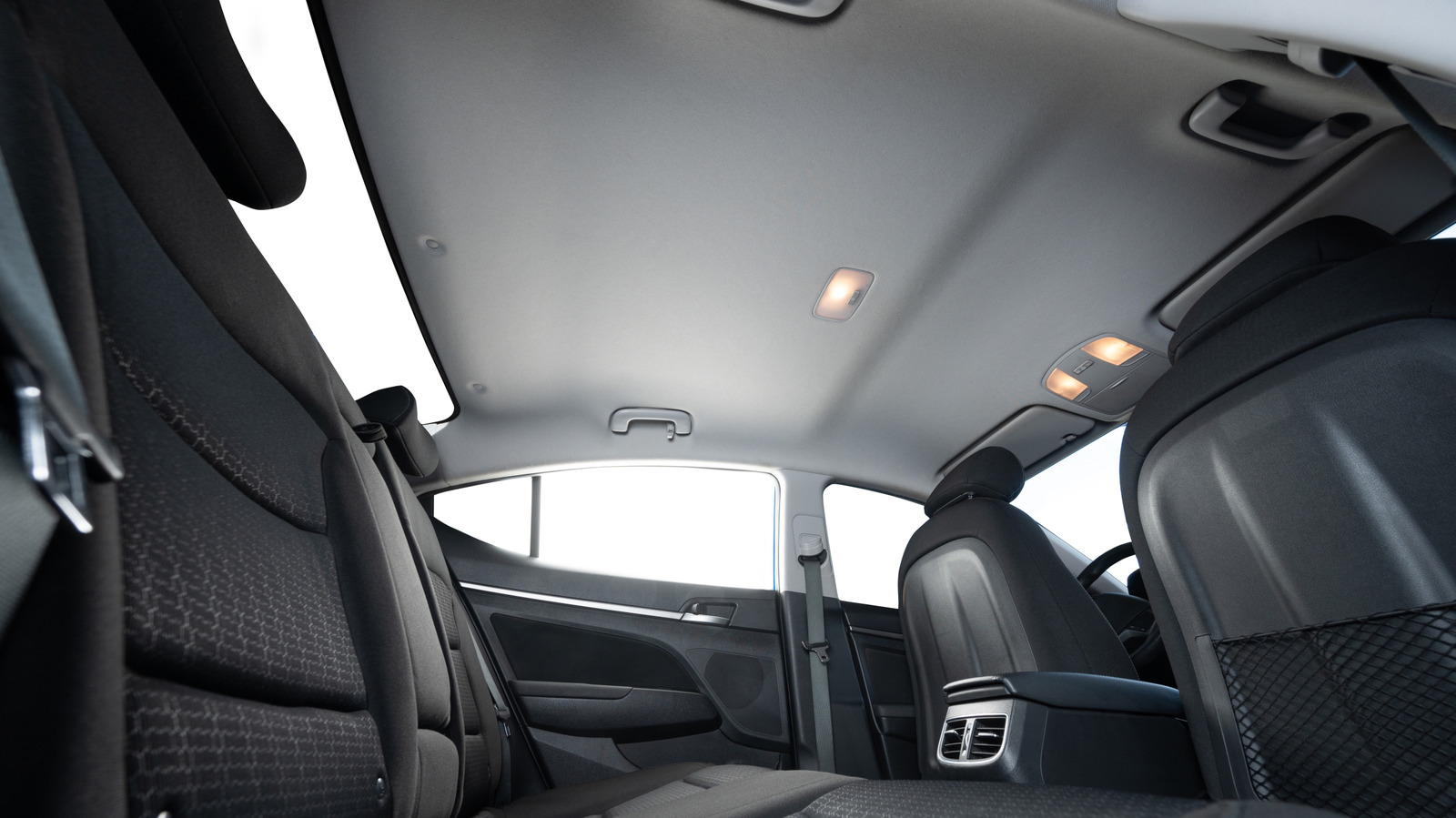
Modern car design has evolved significantly over the past few decades. Today’s vehicles often feature minimalist designs, ambient lighting, and large screens, alongside a growing emphasis on sustainable materials such as polymer and synthetic leather. While many car owners focus on upgrading seats, trim pieces, or steering wheels, the headliner often remains overlooked. Yet, according to AutoZone, this component plays a crucial role in the overall feel of a vehicle’s interior.
When it comes to selecting the best material for a car’s headliner, the options vary widely, each with its own set of advantages and disadvantages. The ideal choice ultimately depends on personal preferences, budget, and specific needs.
Evaluating Headliner Options
The most commonly recommended material for car headliners is foam-backed fabric. This lightweight option consists of a laminated fabric layer glued to the vehicle’s roof, making it easy to stretch and install without wrinkling. Foam-backed fabric is known for its initial resistance to sagging. However, in cases of prolonged exposure to heat, the adhesive may weaken, leading to drooping. Most factory-installed headliners utilize this material due to its affordability and factory-like appearance.
For vehicles operating in humid conditions or those subjected to heavy use, a vinyl headliner may be more suitable. Vinyl is durable, easy to clean, and less prone to deformation caused by environmental factors. This makes it a prime choice for convertibles and vehicles that experience frequent exposure to the elements. However, the trade-offs include a lack of softness, reduced sound dampening, and more complex repairs compared to fabric or suede options.
Luxury and Durability in Headliner Materials
For those seeking a touch of luxury, suede and microsuede are popular, texture-rich choices. True suede offers an upscale feel but comes at a premium price. Microsuede, while more affordable, can also be challenging to install due to its difficulty in stretching. Additionally, cleaning and maintaining these materials can prove to be problematic, given their rich textures.
Another viable option is polyester, known for its durability, affordability, and stain resistance. As a synthetic material, polyester is available in various colors and textures, making it a versatile choice. However, it often lacks the softness and premium feel associated with fabric or suede.
Ultimately, the right headliner material hinges on individual priorities, such as durability, aesthetics, and maintenance requirements.
Maintaining Your Headliner
Proper care of your headliner is essential in prolonging its lifespan. Begin by vacuuming to remove loose dirt, followed by a dry clean using a microfiber towel. Selecting cleaning solutions specifically designed for the material is crucial. After applying the cleaner, brush it gently into the headliner and allow it to dry before tackling stains.
Regular cleaning helps prevent the buildup of stubborn stains over time. Using a steamer can be effective but should only be attempted by those with experience to avoid potential damage. It is also advisable to keep the headliner out of direct sunlight and promptly address any leaks from windows or sunroofs to prevent moisture accumulation and mold growth.
Take proactive steps to fix minor issues, such as sagging, before they escalate. Monthly vacuuming, limiting contact with the headliner, using dehumidifiers inside the vehicle, and avoiding untested cleaning products directly on the headliner are all recommended practices. Seasonal deep cleaning, especially for lighter-coloured headliners, can make a noticeable difference in appearance.
In summary, selecting the best headliner material involves weighing the pros and cons of various options while considering maintenance practices to keep your vehicle looking its best.