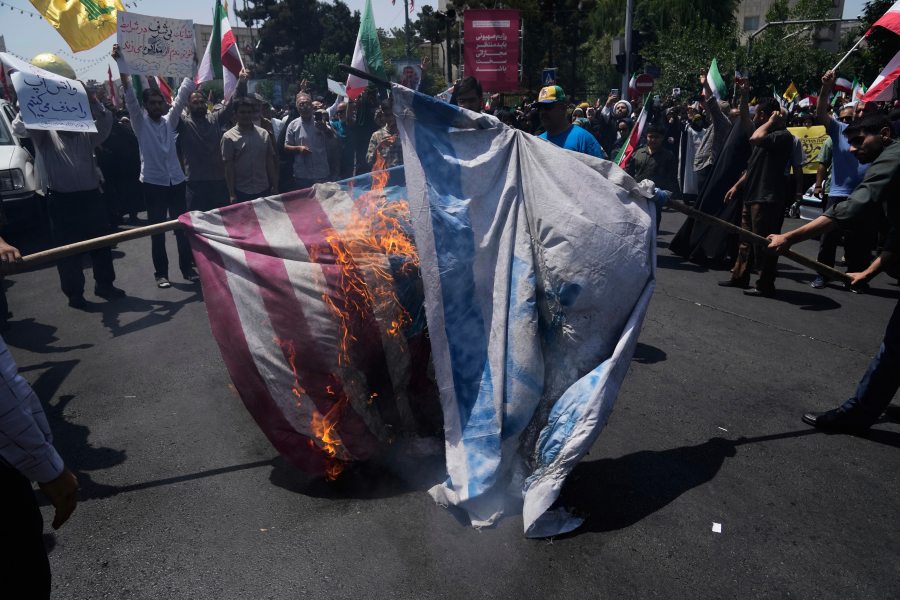
Widespread protests in Iran are prompting heightened scrutiny from Israel, as Prime Minister Benjamin Netanyahu confirmed on Sunday that the Israeli government is “closely monitoring” the situation. The protests, fueled by a range of political and social grievances, have escalated amid increasing tensions in the region, particularly following U.S. President Donald Trump’s recent threats to take action against Iran.
The unrest in Iran has drawn international attention, with many observers concerned that the internal strife could spill over into broader regional conflicts. Netanyahu emphasized the significance of these developments, stating that the situation in Iran is a matter of concern not only for Israel but for the entire world. He noted, “The people of Israel, the entire world, are in awe of the courage shown by the Iranian people.”
Potential Regional Impact of U.S. Threats
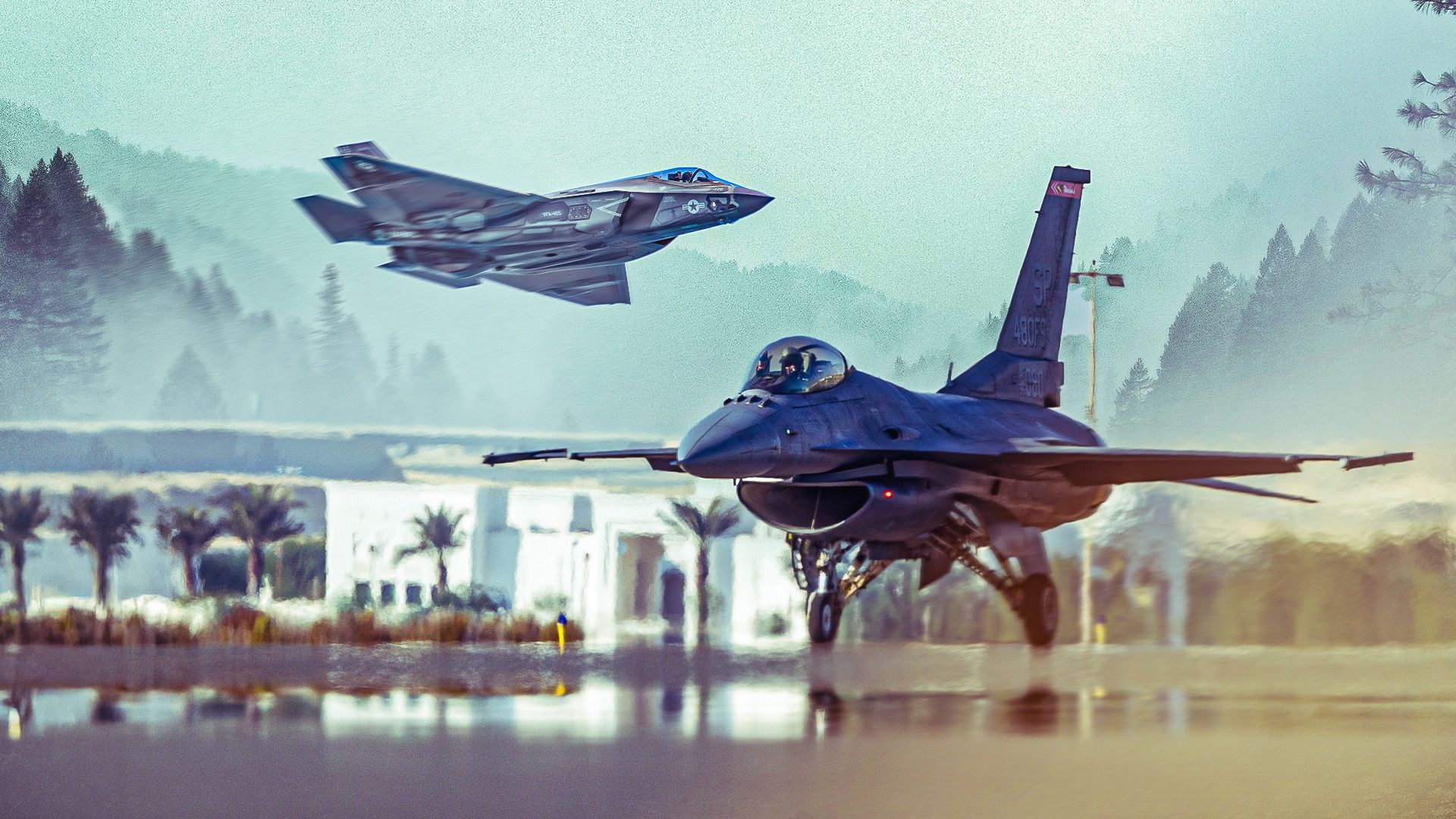
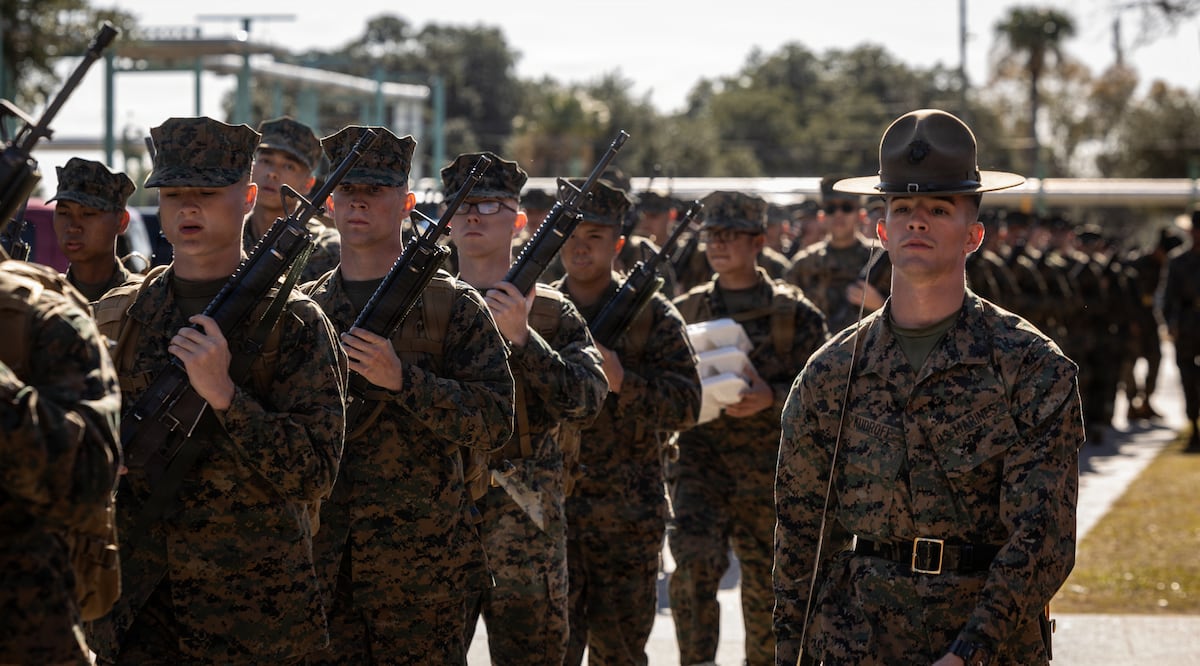
As protests continue to gain momentum, the response from the U.S. government is closely tied to the potential for escalation. Trump’s threats to attack Iran have raised alarms that the protests could lead to a larger conflict in the Middle East. Analysts have noted that such military actions could provoke retaliation from Iran, further inflaming tensions.
The Iranian government has responded with a crackdown on dissent, employing security forces to quell protests. Reports indicate that the government is increasingly concerned about the possibility of protests spreading further, potentially destabilizing the regime. The backdrop of economic hardship and political repression has further fueled public discontent, leading to calls for reform and accountability.
International Reactions and Ongoing Monitoring
Israel’s position remains critical, given its historical concerns about Iranian influence in the region. Netanyahu’s government has long viewed Iran as a primary threat, particularly regarding its nuclear ambitions and support for militant groups. The Israeli military and intelligence services are reportedly on high alert as they assess the implications of the protests for national security.
In addition to Israel, other nations are also watching the situation closely, weighing their diplomatic and strategic options. The international community is calling for restraint, urging all parties to engage in dialogue rather than resorting to military actions. The potential for a broader conflict underscores the need for diplomatic efforts to address the underlying issues contributing to unrest in Iran.
As the protests continue, the situation remains fluid, with developments occurring rapidly. Both the Iranian government and international observers are likely to face critical decisions in the coming days as they navigate this complex landscape. The world watches closely, aware that the unfolding events in Iran could have significant ramifications for regional stability and security.