A series of lawsuits backed by allies of former President Donald Trump are currently making their way through the federal courts, potentially reshaping political representation and federal funding distribution as the United States prepares for the 2030 Census. These legal actions could significantly impact which populations are counted and how congressional districts are drawn, especially affecting states like Texas.
The first case, initiated by America First Legal in Florida, challenges the Census Bureau’s use of statistical methods employed during the 2020 Census. The plaintiffs argue that these methods, specifically “differential privacy” and group-quarters imputation, compromised the accuracy of local population counts, thereby diluting representation for citizens. They are seeking to block the use of these techniques in future census counts and to revisit the 2020 data.
Another case, filed in Louisiana by a coalition of four Republican state attorneys general along with the Federation for American Immigration Reform, aims to exclude undocumented immigrants from the census totals used for congressional representation. This lawsuit continues a long-standing Republican effort to restrict apportionment to citizens and legal residents, raising critical questions about how population counts may influence political power over the next decade.
Controversial Methodologies Under Scrutiny
The Florida lawsuit targets two specific methodologies implemented by the Census Bureau in 2020. Differential privacy adds statistical “noise” to protect respondents’ confidentiality, while group-quarters imputation estimates populations in communal living situations, such as dormitories and nursing homes. Critics of these methods claim they led to inaccurate population figures, disrupting the balance between urban and rural representation. Supporters argue these techniques were necessary to ensure respondent privacy and to maintain data integrity, especially during the complications posed by the COVID-19 pandemic.
If the courts side with the plaintiffs and block these methodologies or order the removal of noncitizens from census calculations, the political landscape could undergo a significant shift. The Associated Press reports that census data is critical for distributing approximately $2.8 trillion in federal funding each year, affecting numerous government services and programs.
According to Pew Research Center, the largest populations of unauthorized immigrants reside in states like California, Texas, Florida, and New York. Consequently, any changes regarding who is counted for apportionment could disproportionately impact Texas and its allocation of federal resources.
Preparations for the 2030 Census
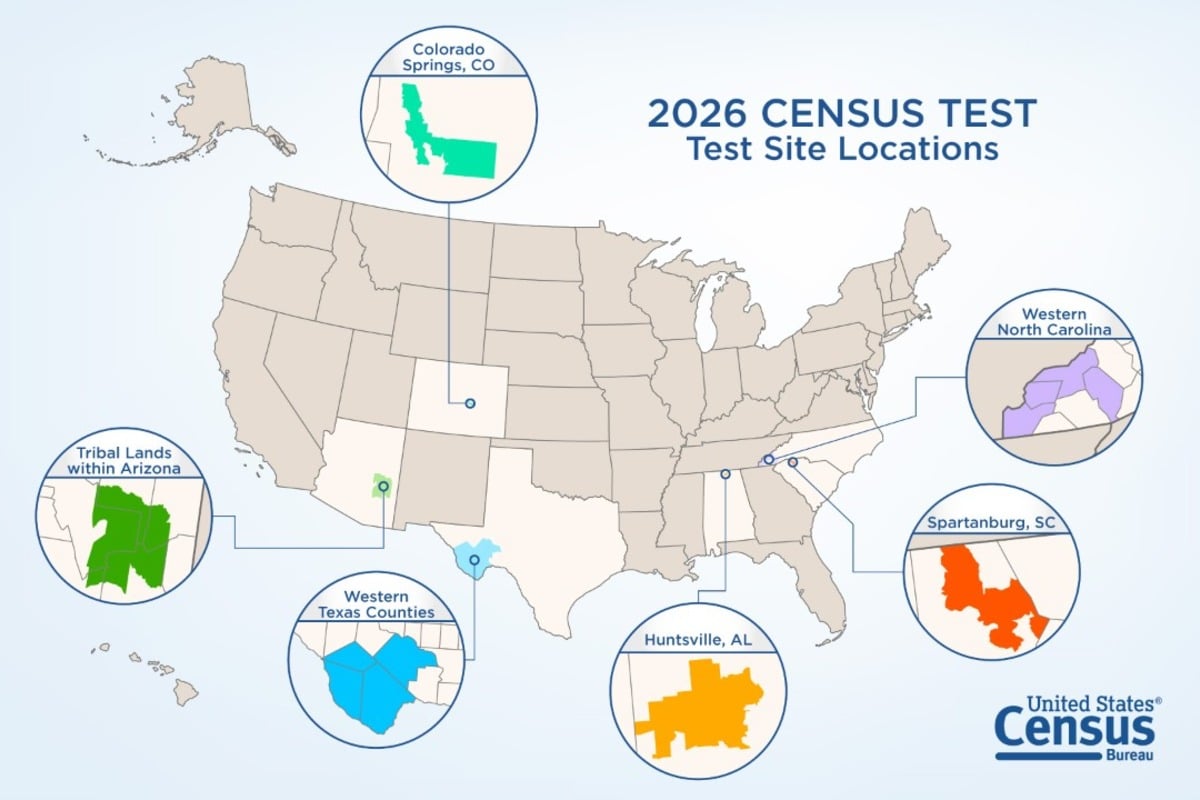
The Census Bureau is proactively planning for the 2030 Census, undeterred by the ongoing litigation. It is set to conduct a 2026 Census Test across six locations, including one in western Texas. This test will evaluate online response tools and new counting strategies for group quarters. Bureau officials emphasize that these preliminary efforts are essential for refining procedures well ahead of the official census count.
Legal proceedings surrounding these lawsuits are already in progress. America First Legal has filed motions for summary judgment and has amended its complaint to include additional plaintiffs. Meanwhile, groups aligned with Democratic interests, represented by Elias Law Group, are seeking to intervene in the case to ensure a robust defense of the Census Bureau’s methodologies.
The Justice Department has periodically urged judges to pause or dismiss elements of the litigation while new leadership assesses its strategy. In the Louisiana case, court filings indicate that the federal government seeks to delay significant legal changes until its planning for the 2030 Census is further along.
At the core of these legal battles is the interpretation of constitutional and federal law. Section 2 of the Fourteenth Amendment mandates the federal government to count “the whole number of persons in each State,” while 13 U.S.C. section 195 restricts the use of statistical sampling for apportionment totals. As the courts deliberate, they will need to clarify how these provisions interact and what implications they hold for future census counts.
For those interested in reviewing the legal texts, the Fourteenth Amendment can be accessed at constitution.congress.gov, and the relevant statute is available through Cornell’s Legal Information Institute. The outcomes of these lawsuits not only stand to redefine political representation but also influence the distribution of vital federal resources across the nation.