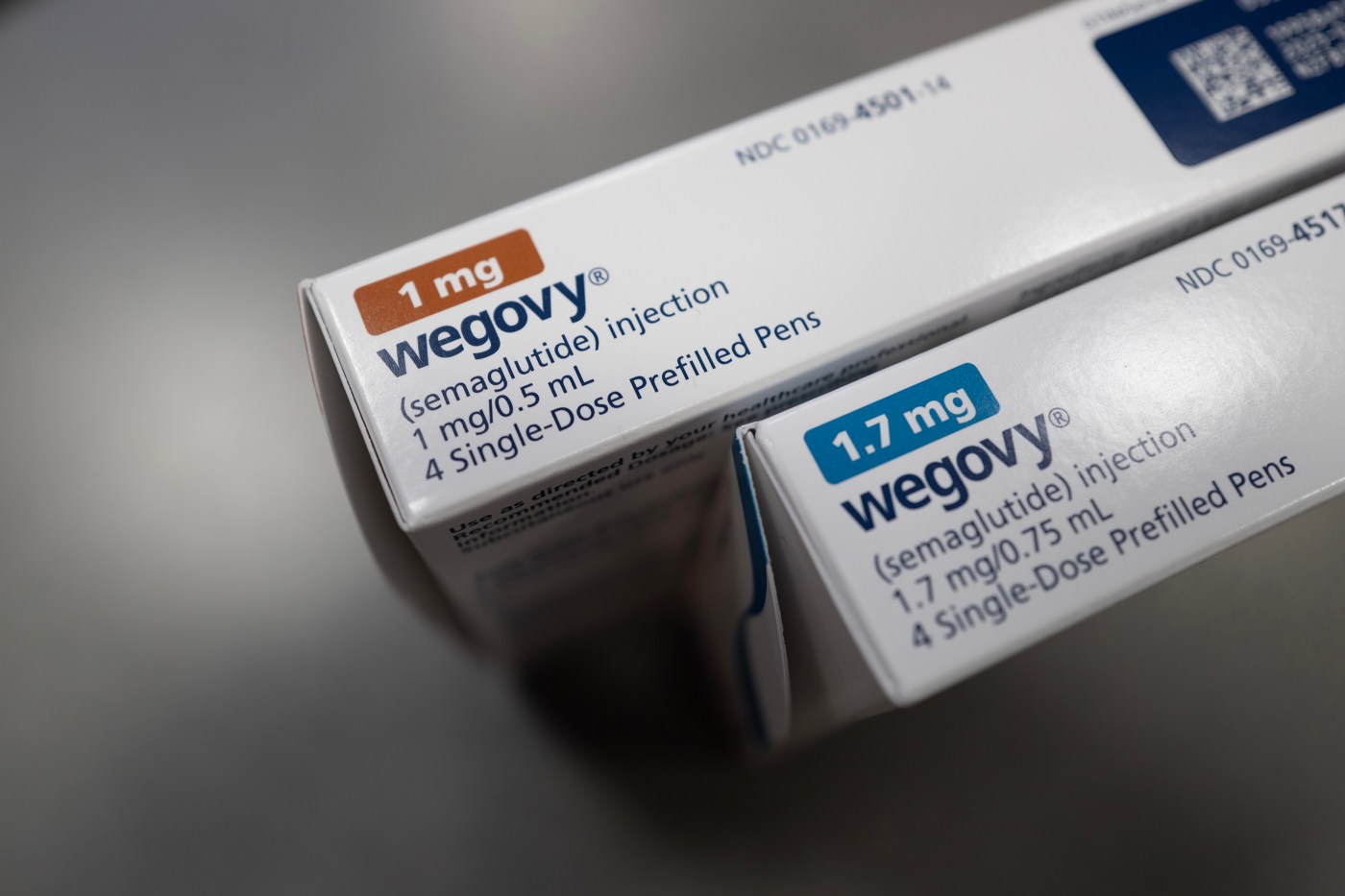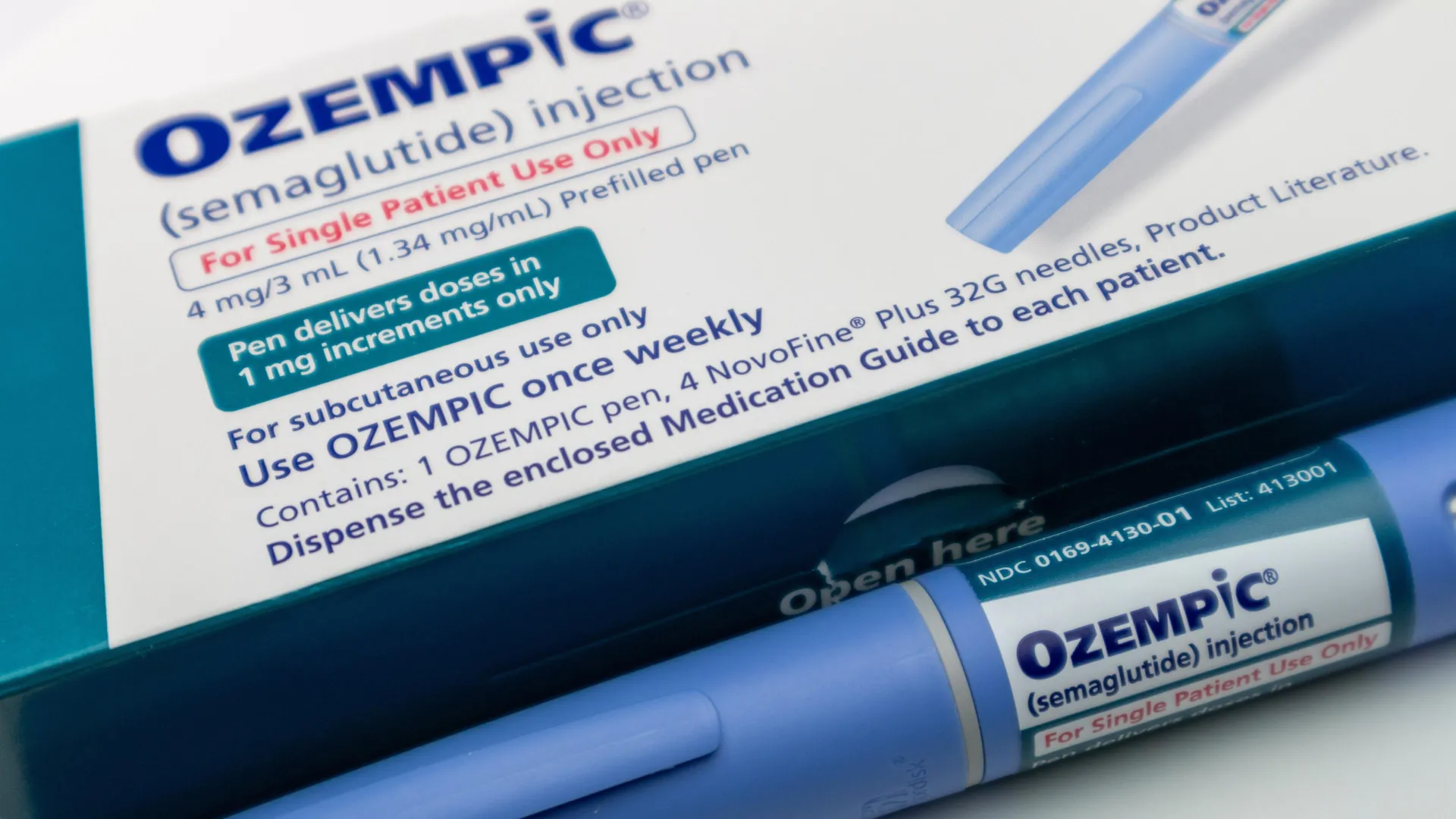
New research from Cornell University reveals that the popular weight-loss medications Ozempic and Wegovy are significantly altering food spending patterns in the United States. The study indicates that households using these appetite-suppressing drugs cut their grocery expenditures by more than 5% within six months of starting treatment, with even more pronounced declines observed at fast-food restaurants.
The findings, published on January 12, 2026, in the Journal of Marketing Research, highlight a trend where users not only lose weight but also adjust their food purchasing habits. This research combines survey data regarding GLP-1 receptor agonist usage with actual purchase records from thousands of households, offering a comprehensive view of how these medications impact daily spending.
Grocery and Restaurant Spending Declines
The study indicates that households using GLP-1 medications reduced their grocery spending by an average of 5.3%. Notably, those in higher-income brackets experienced an even greater reduction of over 8%. Spending at limited-service eateries, including fast-food outlets and coffee shops, also saw a decline of approximately 8%. For those who continued using the medication, the trend persisted for at least a year, although the magnitude of the spending reduction lessened over time.
According to Sylvia Hristakeva, assistant professor of marketing at Cornell, “The data show clear changes in food spending following adoption. After discontinuation, the effects become smaller and harder to distinguish from pre-adoption spending patterns.”
Real Purchase Data Offers Insight
Unlike previous studies that relied on self-reported data, this research utilized transaction data from Numerator, a market research firm that tracks grocery and restaurant purchases for a representative sample of 150,000 households. By correlating these records with surveys regarding GLP-1 drug usage, researchers could effectively compare spending patterns between households that adopted the medications and those that did not.
The results revealed that spending reductions were not uniform across all food categories. The most significant declines occurred in high-calorie, ultra-processed snack foods, with spending on savory snacks dropping by about 10%. Purchases of sweet treats, baked goods, and cookies also fell sharply. In contrast, only a few categories, such as yogurt and fresh fruit, experienced slight increases.
“The main pattern is a reduction in overall food purchases. Only a small number of categories show increases, and those increases are modest relative to the overall decline,” Hristakeva added.
The implications of these findings extend beyond individual households. As the use of GLP-1 medications continues to grow, food manufacturers and retailers may need to rethink their strategies concerning product offerings, packaging sizes, and marketing approaches. The sharp decline in demand for snack foods and fast food could influence long-term market trends.
For policymakers and public health experts, this research contributes to ongoing discussions about the intersection of medical treatments and dietary behavior. It raises important questions regarding the potential of biological appetite regulation to shape dietary choices, especially in light of traditional interventions that have shown limited effectiveness.
As the landscape of food purchasing evolves, the findings from Cornell University provide valuable insights into consumer behavior linked to emerging medical treatments.