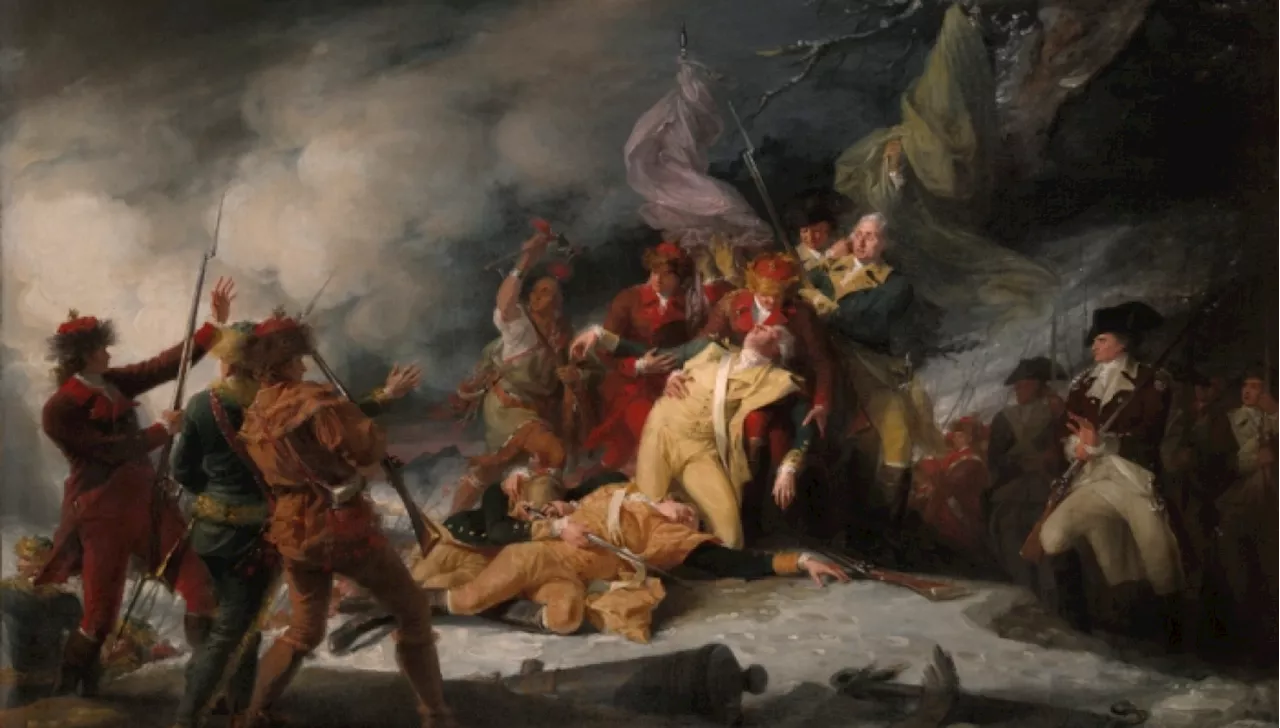
On January 10, 1776, General George Washington reached out to Brigadier General Benedict Arnold, requesting supplies for the American forces. This communication occurred shortly after the failed American assault on Quebec, a significant military setback that Washington was unaware of at the time. The campaign had been marked by the loss of General Richard Montgomery, who was killed on December 31, 1775, during the attack.
Context of the Request
The decision to invade Quebec was based on two main assumptions. Many colonists viewed French-speaking Canada as a potential threat, particularly those who identified as British Protestants. Furthermore, members of the Continental Congress believed that Quebec could align with the American cause, seeing it as a natural extension of the new union they were forming.
In his correspondence, Washington expressed a pressing need for military supplies, including blankets, clothing, and arms, highlighting the urgent situation faced by the army surrounding Boston. He noted the expectation of receiving reinforcements from Arnold’s forces, indicating that Congress was considering the formation of a new army dedicated to the defense of Canada that winter.
Arnold’s Rising Profile
During this period, Arnold was recognized as one of the most effective battlefield commanders in the early Revolutionary War. His bold actions, particularly in the capture of Fort Ticonderoga and operations on Lake Champlain, had earned him a heroic reputation, allowing him to rise rapidly from colonel to major general. However, he suffered severe injuries during the Quebec assault, which would impact his military career in the years to come.
Despite his promotion to brigadier general on January 10, Washington did not receive this news until later, as his letters continued to address Arnold as “Colonel” throughout January. Washington’s correspondence reflects his hope for timely updates regarding the situation in Quebec and the state of the American forces there. As he wrote to Arnold, “I am informed that there are large quantities of arms—blankets clothing & other military stores in that City—these are articles which we are in great want of here.”
Arnold’s contributions to the early American military efforts were crucial, yet his eventual turn to treason four years later would overshadow his earlier heroism. The events surrounding the Quebec campaign and Washington’s appeals for support highlight the complex dynamics of early American military strategy and the challenges faced by leaders in the fight for independence.
This installment of “On This Day” marks a significant moment in the lead-up to the signing of the Declaration of Independence, showcasing the trials and tribulations faced by key figures like Washington and Arnold as they navigated the early days of the Revolutionary War.