World War II has profoundly shaped global history and culture, inspiring countless films that explore its many facets. From epic tales of heroism to intimate dramas of loss, filmmakers have drawn on the war’s immense narrative potential continuously since it began in 1939. As we examine 87 years of cinema, these ten films stand out as monumental portrayals that capture the complexity of human experience during this tumultuous period.
10. The Best Years of Our Lives
This film marked a significant departure from the typical combat-focused narrative of World War II movies. Directed by William Wyler, it centers on the challenges faced by three veterans reintegrating into civilian life after the war. Released in 1946, just a year after the conflict ended, the film highlights the psychological toll of combat, a theme not widely acknowledged at the time. It won multiple Oscars, including Best Actor for Fredric March, whose performance as an alcoholic veteran resonates deeply with audiences even today.
9. Das Boot
Set against the backdrop of submarine warfare, Wolfgang Petersen’s film is a gripping exploration of life aboard a German U-boat. Released in 1981, Das Boot is known for its intense realism, achieved through a year-long production that meticulously recreated the claustrophobic conditions of submarine life. The film effectively immerses viewers in the crew’s physical and mental struggles, making it a standout work that emphasizes the harrowing experience of war rather than glorifying it.
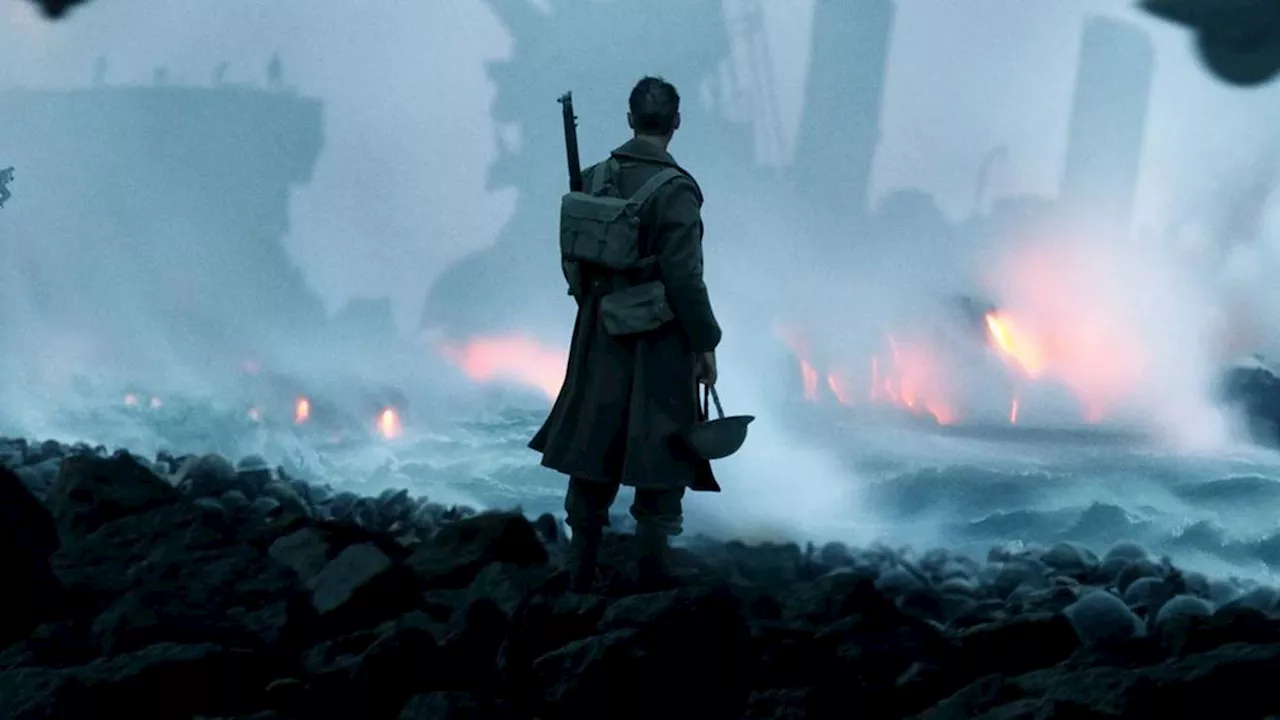
8. Dunkirk
Renowned director Christopher Nolan masterfully captures the urgency and chaos of wartime evacuation in his 2017 film, Dunkirk. Through a nonlinear narrative that intersects land, sea, and air perspectives, the film offers a visceral experience of the Dunkirk evacuation in 1940. Nolan’s use of practical effects and sparse dialogue enhances the film’s tension, making it a powerful representation of human resilience in the face of adversity.
7. The Great Escape
Based on a true story, The Great Escape is a quintessential adventure film that showcases a daring prison break by Allied soldiers from a German POW camp. Released in 1963, it features an ensemble cast including Steve McQueen and Richard Attenborough. While it may take creative liberties with historical accuracy, the film’s entertaining blend of action and camaraderie has made it a classic in the genre.
6. Casablanca
This 1942 film remains a beloved classic, intertwining romance and wartime intrigue. Starring Humphrey Bogart and Ingrid Bergman, Casablanca tells the story of former lovers reuniting in Vichy-controlled Morocco. With its iconic dialogue and compelling performances, it embodies the struggle between love and duty, making it a timeless piece of cinema.
5. Grave of the Fireflies
In 1988, Isao Takahata directed this poignant animated film that captures the devastating impact of war on civilians. Set in Japan during the final days of the Pacific War, it follows siblings struggling to survive after losing their mother. The film’s heart-wrenching portrayal of suffering without the overt violence of traditional war films makes it a crucial work for understanding the civilian cost of conflict.
4. Schindler’s List
Released in 1993 and directed by Steven Spielberg, this film chronicles the true story of Oskar Schindler, a Nazi businessman who saved over a thousand Jewish refugees during the Holocaust. Schindler’s List is celebrated for its unflinching depiction of the horrors encountered during this dark chapter of history. The film’s emotional weight and historical significance have cemented its place as a cinematic masterpiece.
3. The Bridge on the River Kwai
This 1957 film, directed by David Lean, provides a fictionalized account of Allied POWs forced to construct a railway bridge in Burma. The narrative explores themes of honor and madness, as Colonel Nicholson, played by Alec Guinness, becomes obsessed with the bridge’s construction. The film’s complex character portrayals and stunning cinematography have made it an enduring classic in war cinema.
2. Army of Shadows
Jean-Pierre Melville’s Army of Shadows presents a stark view of the French Resistance during World War II. Released in 1969, the film delves into the moral ambiguities faced by its characters. Although initially received with criticism, it has gained recognition as a profound exploration of the sacrifices made during wartime, revealing the dark side of resistance efforts against fascism.
1. Come and See
Regarded as one of the most harrowing war films, Come and See depicts the Nazi occupation of Belarus through the eyes of a young boy. Directed by Elem Klimov in 1985, it presents an unflinching portrayal of the brutality of war. The film’s surreal and realistic depictions of violence serve as a haunting reminder of the suffering endured during this tragic period, leaving a lasting impact on its viewers.
These films illustrate the multifaceted narratives that have emerged from World War II, highlighting the conflict’s lasting influence on cinema and culture. Each entry on this list contributes uniquely to our understanding of the human experience in wartime, ensuring that the stories of those who lived through it continue to resonate with audiences worldwide.