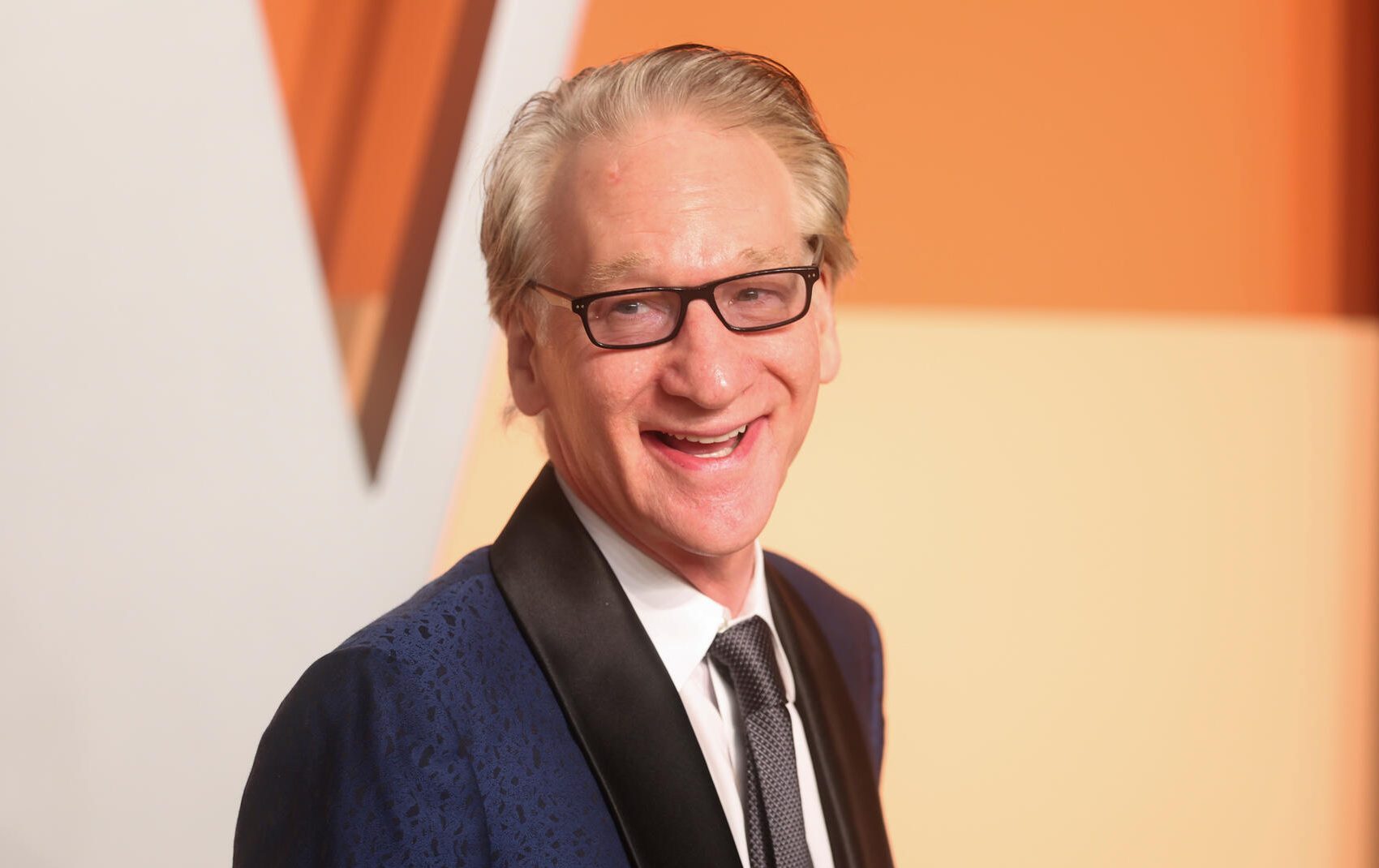
Comedian and political commentator Bill Maher expressed his belief that he would not win his recent nomination at the Golden Globe Awards due to Hollywood’s current cultural climate. During an episode of his podcast, “Club Random,” released on March 11, 2024, Maher discussed the awards with fellow actor Joel Edgerton, who was nominated for his performance in “Train Dreams.”
Maher, nominated for best stand-up comedy for “Bill Maher: Is Anyone Else Seeing This?,” reflected on his experiences with award shows. He noted that he has faced snubs throughout his career, stating, “Sweetheart, I’ve been nominated for 33 Emmys, and they would never give it to me.” In reality, Maher has received 41 Emmy nominations and won once in 2014 for his role as executive producer on the informational series “Vice.”
Reflecting on the Golden Globes, Maher speculated that his outspoken nature may have influenced the outcome. He remarked, “Obviously, it’s something I said. Well, it’s everything I said. I speak freely, and this woke town f—ing hates that.” Despite his frustrations, he acknowledged his acceptance of the situation, stating, “I’ve made my peace with that.”
During the Golden Globe ceremony, which took place on March 10, 2024, Maher indeed did not win. Ricky Gervais took home the award in the same category for his special “Mortality.” Comedian Wanda Sykes, who introduced the nominees, added a humorous touch to the proceedings by teasing Maher. She said, “Bill Maher, you give us so much. But I would love a little less. Try less,” eliciting mixed reactions from the audience, including Maher himself, who appeared to be less than amused.
In a broader context, Maher’s comments highlight ongoing tensions in Hollywood regarding political correctness and freedom of speech. As a prominent figure known for his candid opinions, Maher’s perspective resonates with many who feel similarly constrained in creative environments.
Although Maher’s nomination at this year’s Golden Globes was his first, his long history in the industry continues to spark conversations about the intersection of art, politics, and societal norms. Whether or not audiences agree with his views, Maher’s ability to generate dialogue remains a significant aspect of his career.