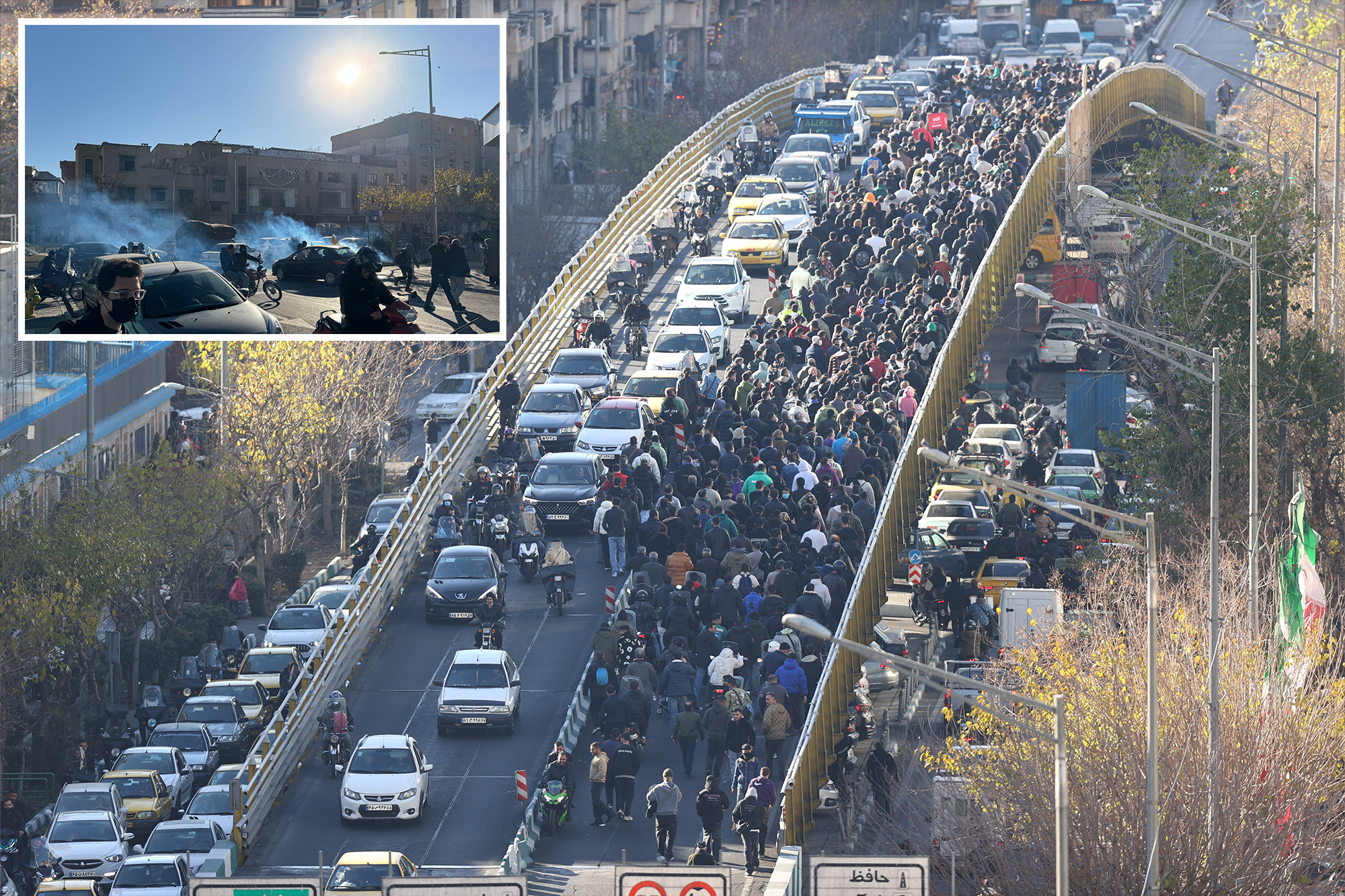
The head of Iran’s judiciary has announced that the country will expedite trials and executions for individuals arrested during recent nationwide protests, disregarding warnings from U.S. President Donald Trump. In a video shared by Iranian state television on December 6, 2023, judiciary chief Gholamhossein Mohseni-Ejei stated that the legal proceedings would be swift and decisive.
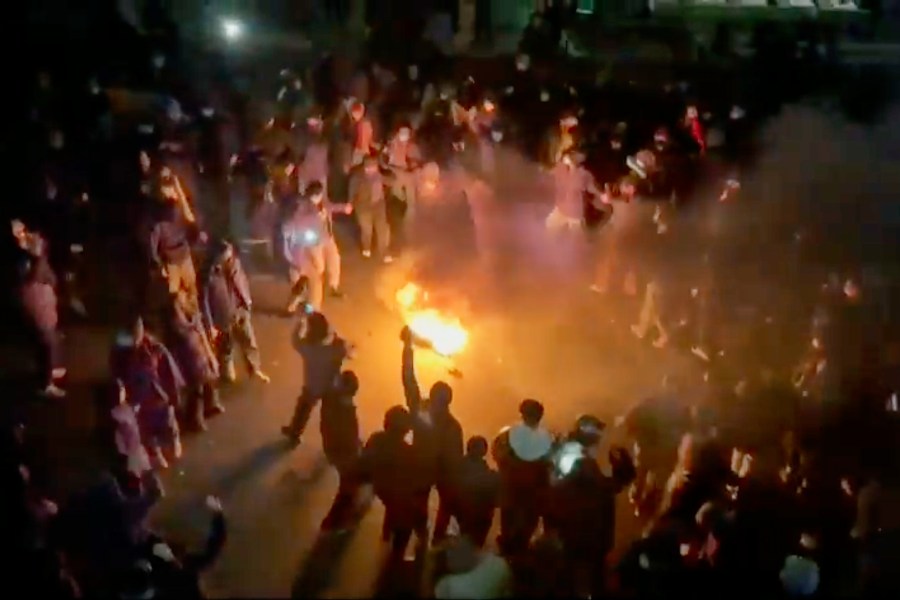
This announcement comes amidst escalating tensions between Iran and the United States. President Trump previously urged Iran to respect the rights of its citizens, following reports of widespread unrest sparked by grievances over economic issues and political repression. Despite these international cautions, Mohseni-Ejei emphasized the government’s commitment to enforcing law and order in response to what he termed acts of sedition.
In the video, Mohseni-Ejei remarked, “If the judiciary is not firm in its decisions, those who take to the streets will see it as an invitation to continue their actions.” His comments reflect the Iranian government’s increasingly hardline stance against dissent, particularly in light of the protests that have engulfed the nation over the past few months.
International Response and Human Rights Concerns
The rapid judicial process indicated by Mohseni-Ejei has raised significant concerns among human rights organizations. Activists warn that the expedited trials may lead to unfair proceedings and harsh sentences for those detained. The United Nations and various human rights groups have called on the Iranian government to uphold fair trial standards and respect the rights of the accused.
As the protests have continued, reports indicate that thousands have been detained across Iran. The government’s crackdown has drawn condemnation from the international community, with many calling for an immediate halt to violence and arbitrary arrests. The U.S. State Department reiterated its support for the Iranian people’s right to peaceful protest, urging Iranian authorities to respect civil liberties.
The Iranian government maintains that it views the protests as a threat to national security. In response to the unrest, Mohseni-Ejei has made it clear that the judiciary will not tolerate actions deemed contrary to the state’s interests. His statements signal a potential increase in the severity of punishments for those involved in the protests.
The Path Forward for Iran
As Iran navigates these turbulent times, the balance between maintaining public order and respecting human rights remains precarious. The judiciary’s approach will likely be scrutinized both domestically and internationally. Observers are watching closely to see how the situation unfolds, particularly in light of potential diplomatic repercussions.
While the Iranian government appears resolute in its approach, the ongoing unrest reflects deep-seated discontent among the population. The combination of economic hardship and political repression continues to fuel protests, challenging the regime’s stability. The coming weeks will be crucial in determining not only the fate of those detained but also the broader direction of Iran’s political landscape.